
Where Exactly Did it All Go Wrong for the Once Viral REN Skincare?
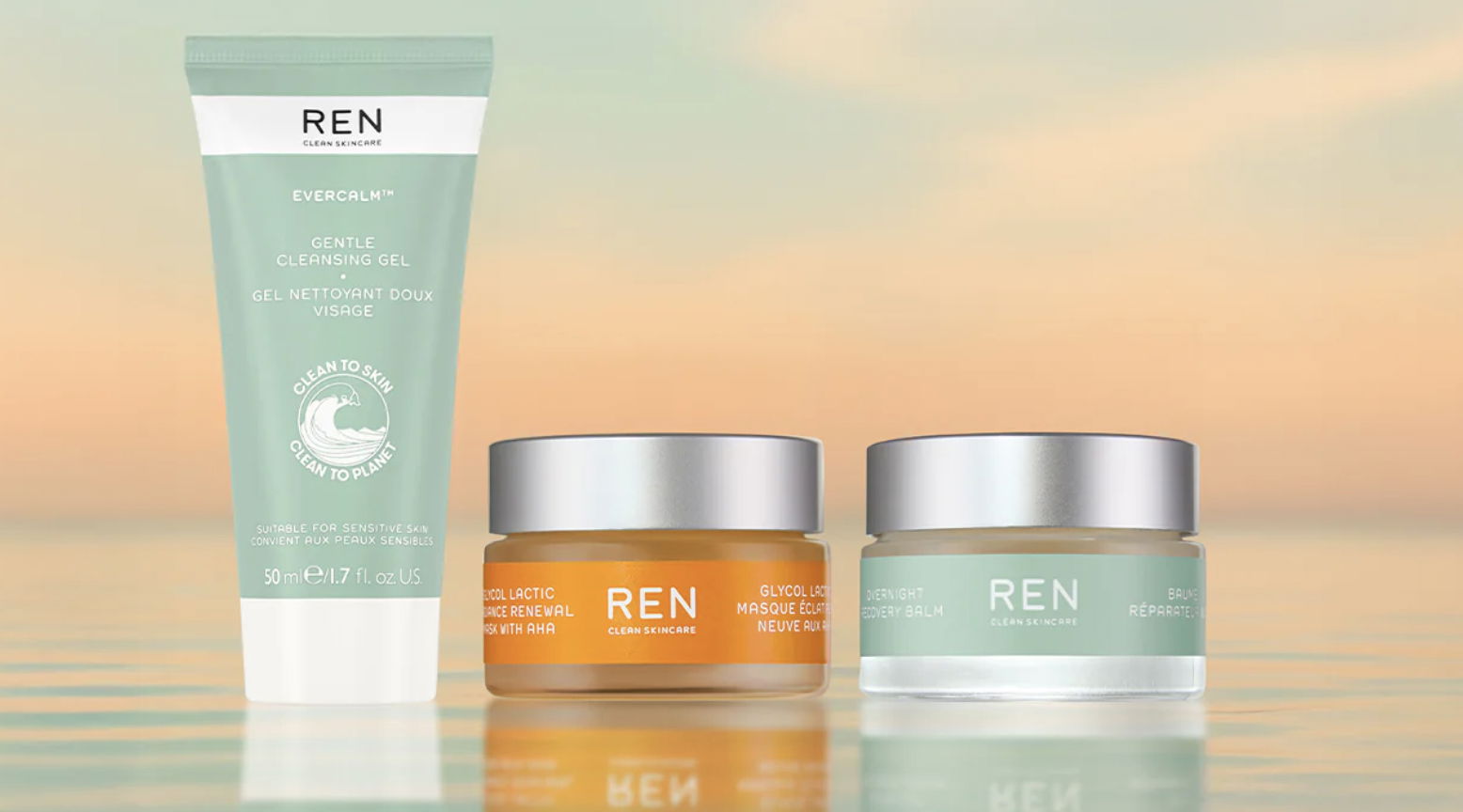
Main image – REN Skincare
On May 1st 2025, global consumer goods company, Unilever, made the announcement that the beloved ‘clean’ beauty brand REN Skincare would be closing after 25 years of trading, saying the brand was “unable to sustain success in the long term.”
As a huge fan of the brand myself, like many, I found this news to be both incredibly sad and extremely surprising.
On the surface, the brand seemed to be thriving. Its sustainability trajectory was on point, the brand’s community and fan base were huge, and the amount of steady product launches was, quite frankly, impressive.
Confusingly, there was even news of two brand new launches (an SPF and a sensitive skin facial spray) just days before the closure announcement.
“REN Skincare was one of those pioneering brands and I am really sad that we’re writing about its downfall,” says Sophie Attwood, director of SA Communications and author of best-selling marketing bible, Beautiful PR. “It led the charge in clean beauty long before it became a category in its own right…before ‘clean’ was a buzzword which can often mean very little in today’s marketplace.”
@laucapon Ren Skincare is closing #renskincare #rencleanskincare #beautyindustry #skincare #beautynews #learnwithlc
Luckily for me and thousands of other REN fans though, Unilever says “there is no fixed date for final closure.” So there’s still time to enjoy REN for a little while longer. However, trading is expected to stop by the end of the third quarter (September) this year.
So what went wrong? Why is this the end for arguably the most recognisable brand in the clean beauty space? Could we dare to hope that it can be saved? And should we now be stocking up on all of our REN faves whilst wallowing in its demise, or moving on and investing in products we know aren’t going to be discontinued eventually?
Here, we chatted to Attwood along with Megan Vasquez, Beauty Influencer Marketing Expert at influencer agency GRIN and Rick Smith, Founder and MD of UK business consultancy, Forbes Burton, for their take on the end of REN.
And we pay homage to our all-time favourite REN treats which – psst! – are still available to buy.
Why did REN go bust?
According to Attwood, Smith and Vasquez there seem to be a number of factors. “REN built its reputation as a clean skincare brand, but over time, the definition of “clean” evolved, and REN didn’t evolve with it,” explains Vasquez.
“As skincare consumers became more ingredient-savvy and demanded transparency, storytelling, and innovation, REN remained stagnant.” Smith adds, “In its earlier days, REN stood out from the pack in virtue of its ‘clean’ skincare ethos, but since then, this niche market has been flooded with other businesses doing similar things,” he says.
“This leaves REN in a position in which it no longer has a unique selling point and is unlikely to meet the potential that Unilever once saw in it.”
@rencleanskincare 5-step #sensitiveskincareroutine to strenghten the #skinbarrier ?? #renskincare #sensitiveskin
“When the rest of the industry began introducing biotech, advanced actives, and skinimalist hybrids, REN stood still,” adds Attwood. “In a landscape moving at the speed of light with daily TikTok trends and scientific discovery, you just can’t afford to simply rely on your legacy.
“As more brands entered the space with bolder messaging, stronger positioning, and bigger budgets, REN’s quiet authority began to feel just that – quiet. And in today’s market, I’d say that silence is rarely golden,” she continues.
There’s also the feeling that once Unilever acquired the brand from original founders Rob Calcraft and Antony Buck in 2015, it “stripped away some of the indie appeal that originally made the brand feel special,” Vasquez explains.
Attwood agrees. “REN’s DNA, which was of course once rooted in gentle yet effective formulations, sustainability, and a Scandinavian-inspired simplicity, felt slightly diluted and as though it had lost its soul,” she says.
“That boutique, purposeful charm was replaced with a more commercial aesthetic that, while appealing to the mass market, struggled to retain the emotional loyalty of its core audience. It’s a common challenge for brands: how do you scale without losing your heartbeat?”
And apparently there were early indications coming directly from Unilever that the brand might close, thanks to the rising success of some of Unilever’s other skincare brands.
“Unfortunately, [REN’s] earning power is nowhere near that of stablemates such as Dermalogica or Paula’s Choice, and Unilever have been very vocal about its intention to focus more on its ‘power brands’,” explains Smith.
“When Unilever first hinted last year that REN could be in line for closure, the then-CEO lamented a ‘”slowdown” in the skincare sector,” he continues. “This slump, combined with the exit of the CEO behind the initial acquisition of REN, have been major catalysts for its folding.”
According to Attwood, another mistake of theirs could have been their not focusing on personifying the brand. “Most crucially for me, the storytelling coming from REN recently lacked the energy and intimacy today’s consumer demands,” she explains.
“Beauty buyers now expect to hear from founders, understand ingredient sourcing, and be part of a brand’s wider purpose. REN had all the right values, but the voice behind them didn’t speak.”
Could REN still be saved?
Let’s face it, there’s only one question on all REN fans’ minds right now – is there still hope? *Falls on knees and prays for a miracle*. Alas, Smith doesn’t think so.
“Unilever seemed to be touting both REN and Kate Somerville around potential buyers at the end of last year, so by announcing its closure, it seems like they couldn’t find anybody suitable to acquire it,” he says. “As such, the brand is unlikely to be saved”.
But let’s stay positive for a second and think about what it might take for REN to up its game, in order to maybe, just maybe, save it from sinking completely. “It would take a full reinvention with new leadership, a sharper brand POV, and a strong influencer and creator strategy to rebuild relevance,” Vasquez explains.
“Today’s skincare brands are built on trust, education, and community. If REN were to double down on credible voices, bring innovation back to their pipeline, and craft a modern clean beauty narrative, there’s still a path forward. But it would require bold moves, not just a gentle refresh.”
Can I still buy REN products?
Surprisingly, from what we can gather online, the only current change for consumers is that REN is no longer available on Sephora USA. It is however selling at a discount at Walmart.
@rencleanskincare are you #doublecleansing the right way? ? #oilcleanse #renskincare
It is also currently still available for sale on the REN website, Sephora UK, Cult Beauty and Space NK and at full price too. This feels slightly… cheeky. But perhaps it’s because there are still a few more months to go before its actual closure and a closing down sale could still be on the horizon?
So, should we be stocking up on a brand we now know is closing down? Or should we just jump off the sinking ship now? “There’s definitely a real risk these cult products could quietly disappear from shelves for good,” says Attwood. This is your sign to get stocked up folks!
Our favourite REN products (to buy while they’re still available)
Ready Steady Glow Daily AHA Tonic
Image – REN Skincare
Sally Underwood, Live That Glow editor: “I absolutely love REN’s Ready Steady Glow Daily AHA Tonic (£30 from REN UK /$40 from REN US). It’s amazingly effective for exfoliating and giving skin a subtle glow, yet it’s still gentle enough for my sensitive, rosacea-prone skin. I’ll definitely miss stocking up on this one once it’s
sold out.”
Like Sally, I think Ready Steady Glow Daily AHA Tonic is one of their all-time best products. For a start, it smells beautifully fresh – sort of orangey. And it expertly buffs my skin without leaving it irritated. It feels quite tacky on the skin at first but once it has properly sunk in, my skin is left feeling smooth and even.
Perfect Canvas Clean Jelly Oil Cleanser
Image – REN Skincare
Sally: “I love an oil or balm cleanser but they’re not all created equally and finding one that works for you is definitely personal. Some leave a residue, while others emulsify just a bit too much for my sensitive skin and can be a bit stripping.
“REN’s Perfect Canvas Clean Jelly Oil Cleanser (£29 from REN UK /$37 from REN US) hits the perfect balance IMO, delivering a thorough cleanse while leaving my skin comfortable yet without any annoying residual oiliness.
“It has light almond-y scent too, as well as a fun jelly texture, which makes it enjoyable to include in my routine. I’d definitely recommend this for fellow dry and sensitive skin folks.”
Evercalm Overnight Recovery Balm
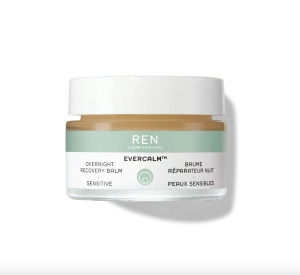
Image – REN Skincare
Sally: “Evercalm Overnight Recovery Balm (£46 from REN UK /$55 from REN US) saved my skin more times than I can remember when I was first starting out using retinol. It’s incredibly moisturising and amazingly soothing at the same time. I will likely be buying up a few of these once the discounts start.”
Atlantic Kelp and Microalgae Anti-Fatigue Toning Body Oil
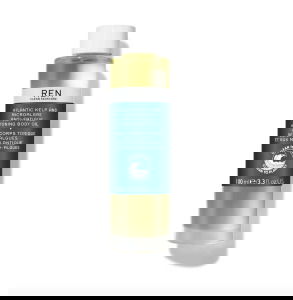
Image – REN Skincare
I’m personally a bit of a sucker for the REN Atlantic Kelp and Microalgae Anti-Fatigue Toning Body Oil (£38 from REN UK) which for some reason is only in stock in the UK. It brilliantly smooths the skin, it isn’t too greasy (for an oil anyway) and smells exactly like a spa treatment. I love the way it gives my skin a gorgeous gleam too.”
Radiance Overnight Glow Dark Spot Sleeping Cream
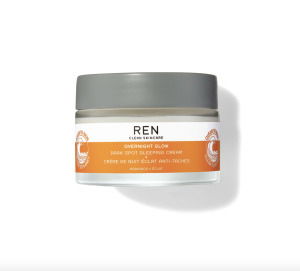
Image – REN Skincare
And finally, you can’t go wrong with REN’s Radiance Overnight Glow Dark Spot Sleeping Cream (£54 from REN UK /$55 from REN US) which is super hydrating and helps make my skin feel freshly plumped the next morning. It gives really good glow too – in fact, the whole ‘radiance’ range from REN does (sigh) – plus, it promises to reduce the appearance of dark spots within days.”
The takeaway
Despite REN being one of the leading brands in the clean beauty space, it sadly couldn’t keep up with the pace of today’s skincare industry. “There’s no denying REN paved the way, but in this industry, being first doesn’t guarantee you’ll stay front of mind,” concludes Attwood. “You need constant reinvention, razor-sharp comms, and a brand narrative that evolves just as fast as the people buying into it.”
Unfortunately it seems the brand stayed firmly in its comfort zone which ultimately led to its demise. “While other brands leaned into ingredient education, sustainability storytelling, and innovative formulations, REN stayed too comfortable,” explains Vasquez.
“They didn’t push boundaries or evolve their narrative to meet a new generation of skincare consumers who expect both scientific rigor and brand authenticity and as a result, they got outpaced by faster-moving, more culturally relevant competitors.”
What a shame then that such a beloved brand with amazing products and admirable morals is soon to be no more. REN, we’ve truly loved your work. Thank you for giving us the gift of guilt-free, gorgeous, glowy skin for all these 25 years. We’re still holding out hope that this is only goodbye for now…
We contacted Unilever for a comment but, apart from the original statement, they weren’t willing to provide a comment.
Meet the experts
Sophie Attwood is director of SA Communications and author of best-selling marketing bible, Beautiful PR.
Megan Vasquez is Beauty Influencer Marketing Expert at GRIN
Rick Smith is Founder and MD of UK business consultancy, Forbes Burton


Get Glowing!