
Worried About Hair Loss? Your Stylist Might Be Noticing Something You Haven’t Spotted Yet
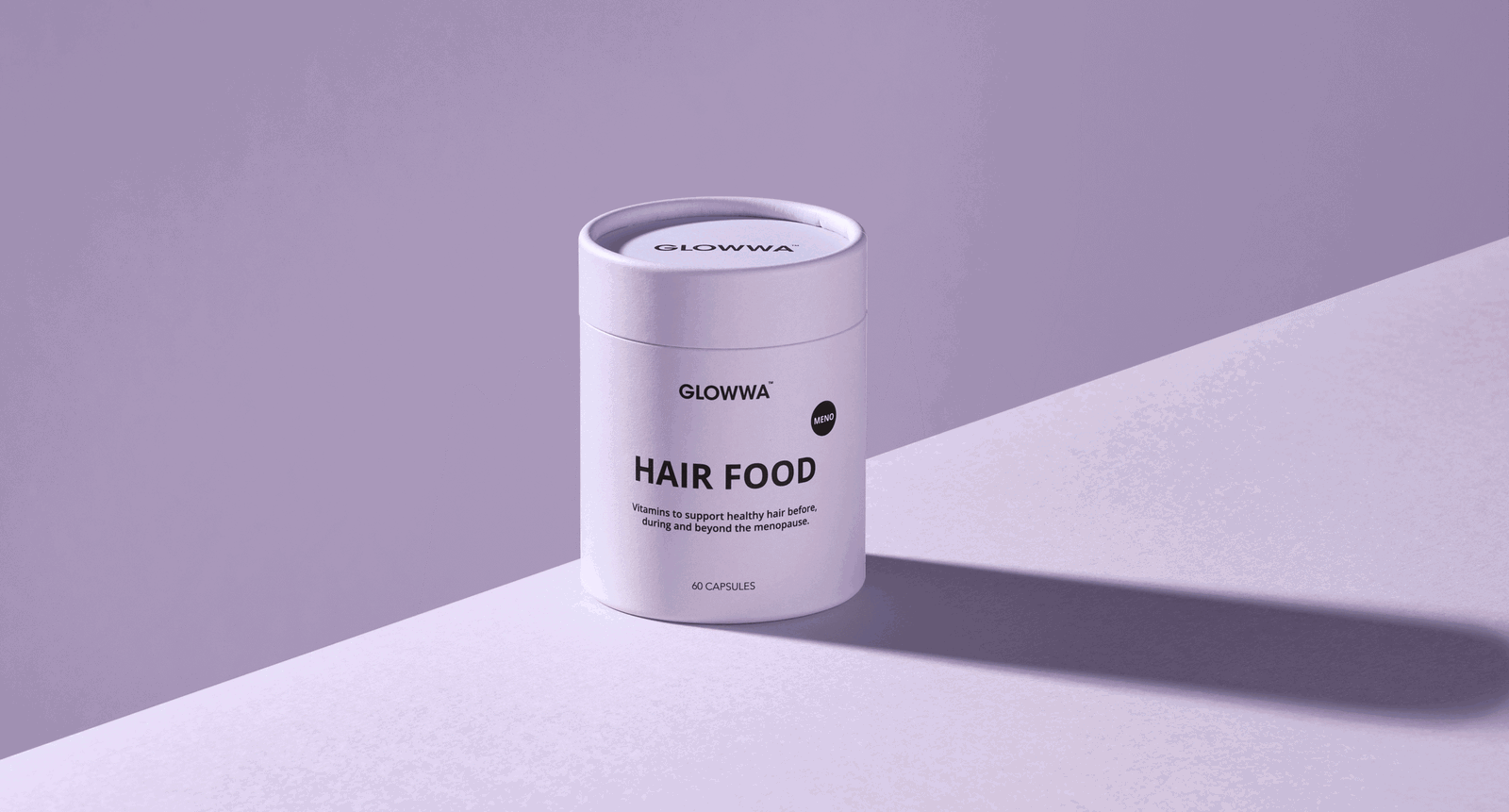
Main image – GLOWWA
I think most of us would be pretty frightened if we suddenly started losing handfuls of hair in the shower, but GLOWWA founder Suzanne Cooper tells me, for her it got to the point where she was scared to brush hers.
“Within about six months, I had the tiniest ponytail,” she says of her sudden hair loss a few years ago. “If I tied my hair up, you could see my scalp up the sides. I was wearing baseball hats everywhere. My partner says now that we’ve got literally no photos of us from that phase because I lost all my confidence.”

Cooper went on to create her own hair supplement brand, GLOWWA, which is now stocked in around 5,000 salons worldwide, but something else came out of that experience too; a one-woman crusade to highlight the help hairdressers can offer to people who are worried about changes to their hair.
And I think she has a point. After all, most of us see our hairdresser far more regularly than we’d ever see a dermatologist or trichologist, and they’re generally looking at parts of our hair and scalp we can’t easily see ourselves.
I sat down to ask Cooper about her own experience, how GLOWWA came about, and why something as seemingly ordinary as a conversation during a haircut could be worth having.
What your hairdresser might notice before you do
“Hair professionals are often the first people to see a client’s hair changing,” she tells me. “Stress, alopecia, hormonal imbalance, gut health issues and significant weight loss can all coincide with changes in the hair.”
And while nobody’s suggesting your hairdresser should be diagnosing medical conditions, Cooper thinks even a gentle conversation could encourage someone to get a change in their hair checked out.

Suzanne Cooper. Image – GLOWWA
“You don’t have to become a nutritional expert in a salon. It’s about asking simple questions and perhaps encouraging someone to investigate something they otherwise wouldn’t have thought about.”
It’s something she’s been working to change through GLOWWA, which has now educated more than 10,000 hair professionals about nutrition and how to support clients who are concerned about their hair.
“Hairdressers can also feel awkward bringing it up because it’s such a sensitive subject. They’re thinking, ‘How do I approach this in a way that helps my client?’”
Why your hair might be reacting to something that happened months ago
Something I’ve personally always found interesting about hair loss is how the timing can often be quite misleading.
I remember interviewing trichologist Anabel Kingsley a few years ago and learning that the shedding you’re seeing now might actually be connected to something that happened several months earlier – meaning that unless you know that, you can end up treating a problem that you think has only just happened when in fact its true cause was months earlier. And vice versa.
Cooper and I agree how confusing this can be for people trying to work out what’s happening to their hair.
“I’ve seen people use a serum and then tag it on social media saying, ‘I got this a week ago, look at all this new hair growth.’”
“But then you might see that they were using collagen or Hair Food months ago and think, it’s probably something that started much earlier. They don’t necessarily realise that hair takes time.”
I’ve actually seen some of the before-and-after photos GLOWWA has shared of people who’ve been using its supplements, and I have to say, I’ve been genuinely blown away by the difference in some of them. Of course, photos alone can’t tell us exactly what’s responsible for someone’s hair regrowth, but some of the transformations are pretty remarkable.

It’s also something that can make it difficult to work out what’s behind a sudden change in your hair, particularly if you’ve been through a stressful period or experienced changes in your health.
“What you’re seeing now may relate to what happened months ago. If you have a stressful event or phase in your life, you may see the effects on your hair later.”
Cooper says she’s also hearing more from hairdressers about clients who are taking GLP-1 medications and noticing changes to their hair.
“We’ve even had hairdressers tell us they don’t want to colour a client’s hair until they’ve got it back to a stronger condition. They don’t want to put extensions in it or colour it because they feel the hair is too weak.”
Are we putting too much faith in hair supplements?
Of course, we couldn’t talk about hair loss without discussing supplements – especially since Cooper has spent years developing her own range. And I was interested to hear her thoughts on biotin, which seems to be in practically every hair supplement you come across.
“I think for years we’ve been marketed this idea that biotin is what you use for hair loss or hair growth, and it’s not that simple,” she tells me.
“Taking more and more biotin doesn’t automatically give you better results.”
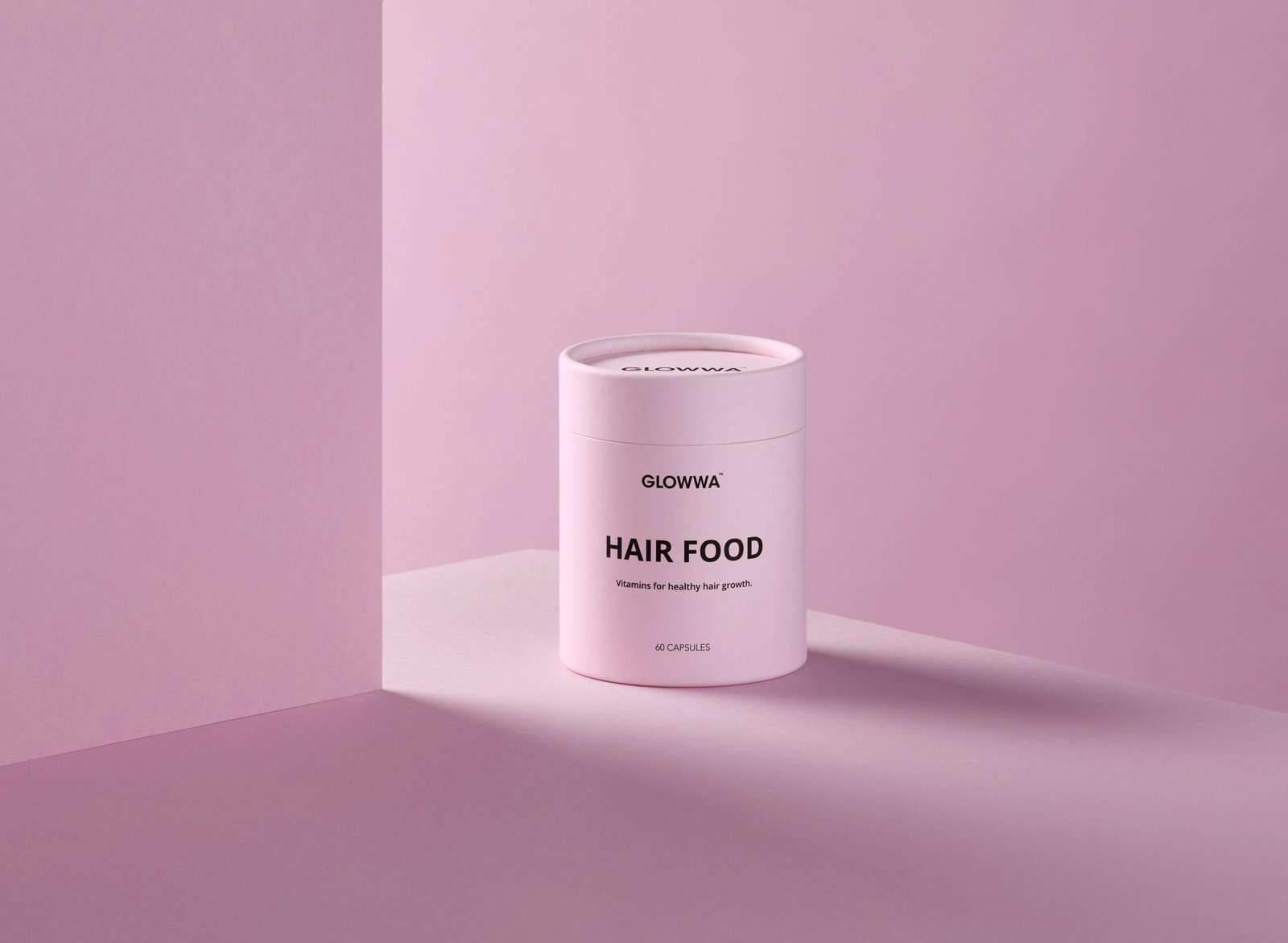
Image – GLOWWA
Instead, she suggests: “Look at the forms of the ingredients and do your research on what’s in there.”
“I’d also look at the team behind the brand. Who is formulating it? Who’s behind the scenes making the products?”
And what about her own products? Cooper says she’s particularly proud of the work that’s gone into their formulations, including the brand’s collagen supplement, which took three years to develop.
“We put the collagen through a patented enzymatic process that breaks it down to a low molecular weight of around 2,000 daltons.”
She says she’s also resisted pressure to make the products cheaper to manufacture. “From a manufacturing point of view, we’ve been asked multiple times by manufacturers, ‘Do you want to cheapen that down and get more margin?’”
“We say no because that’s our brand promise. We want to know we’re giving the client the best.”
It’s certainly been my experience too with supplements that bioavailability and quality are important – and that often means paying a little more. It’s worth noting though that if you’re experiencing unexplained shedding, it’s always a good idea speaking to your GP to get a proper diagnosis before spending any money.
The confidence side of losing your hair
Our conversation keeps coming back to how difficult it can be to talk about losing your hair, and how the self-esteem blow means so many people end up struggling with it on their own.
“People don’t always speak about it. They’re really self-conscious and embarrassed,” Cooper tells me.
“Hair can be incredibly personal. It’s a bit like somebody commenting on your weight. People don’t necessarily want to tell anybody that they’re losing their hair.”
I ask Cooper whether she had any idea, when she first started driving around salons trying to get hairdressers interested in GLOWWA, just how many people were dealing with the same thing she’d been through.
“What I didn’t realise was how big an issue it would be and how many hairstylists would tell us that it’s one of the biggest problems they see in the salon.”
“It’s a much bigger issue than I ever realised and it can make such a difference to people’s self-esteem.”
The takeaway
I think what I found most interesting about talking to Cooper was the idea that your hairdresser might notice something you’ve been worrying about yourself, but haven’t quite known what to do about.
And while a hairdresser obviously can’t tell you why your hair is thinning or shedding, they might be able to help you recognise that something has changed and encourage you to get it checked out.
If you’re concerned about your hair, I’d always recommend speaking to your GP or a dermatologist rather than trying to work out the cause yourself. But perhaps it’s also worth having that conversation next time you’re in the chair.