
‘Wellbeing Should Feel Achievable, Not Overwhelming.’ How We’re Ruining Self Care
Main image – Luey Nohut
It’s 2026 and you’re finally putting your wellbeing first. You wake up, take four wellness supplements while scrolling through the daily affirmation app someone at work recommended to you.
You look down at your smart watch which confirms your sleep-maxxing didn’t work out last night and that your temperature wasn’t perfect.
Then you rush to get ready for the gym so that you can say you’ve done something for you today, only to be told by your Oura Ring that your heart rate has gone up and that you need to de-stress. I don’t know about you, but this doesn’t really feel like putting wellbeing first. It actually feels way too over-complicated.
So has our obsession with wellbeing gone too far? We chatted to Brendan Murdock, founder of anatome – a London-based wellness brand centred around stripped back wellbeing that doesn’t involve elaborate routines or expensive gadgets.
Image – Mathilde Langevin
He discusses how fragrance and aromachology can do more than just ‘smell nice’ and lists the simpler day to day things you can do for your wellbeing without feeling overwhelmed.
Life overload
According to Murdock, the interest in stress management and nervous system health is on the rise. So why are people so invested in it? “Because modern life has overloaded our nervous systems,” he says. “We’re constantly connected, constantly stimulated and rarely give ourselves permission to switch off.”
Inevitably though, everyone can reach boiling point. “Eventually the body tells you enough is enough, usually through poor sleep or chronic stress,” he adds.
But what is it exactly that we are overcomplicating? “Probably wellbeing itself,” Murdock says. “We’re encouraged to believe we need dozens of supplements, complicated routines and expensive gadgets, when most of the things that genuinely improve our health are remarkably simple.”
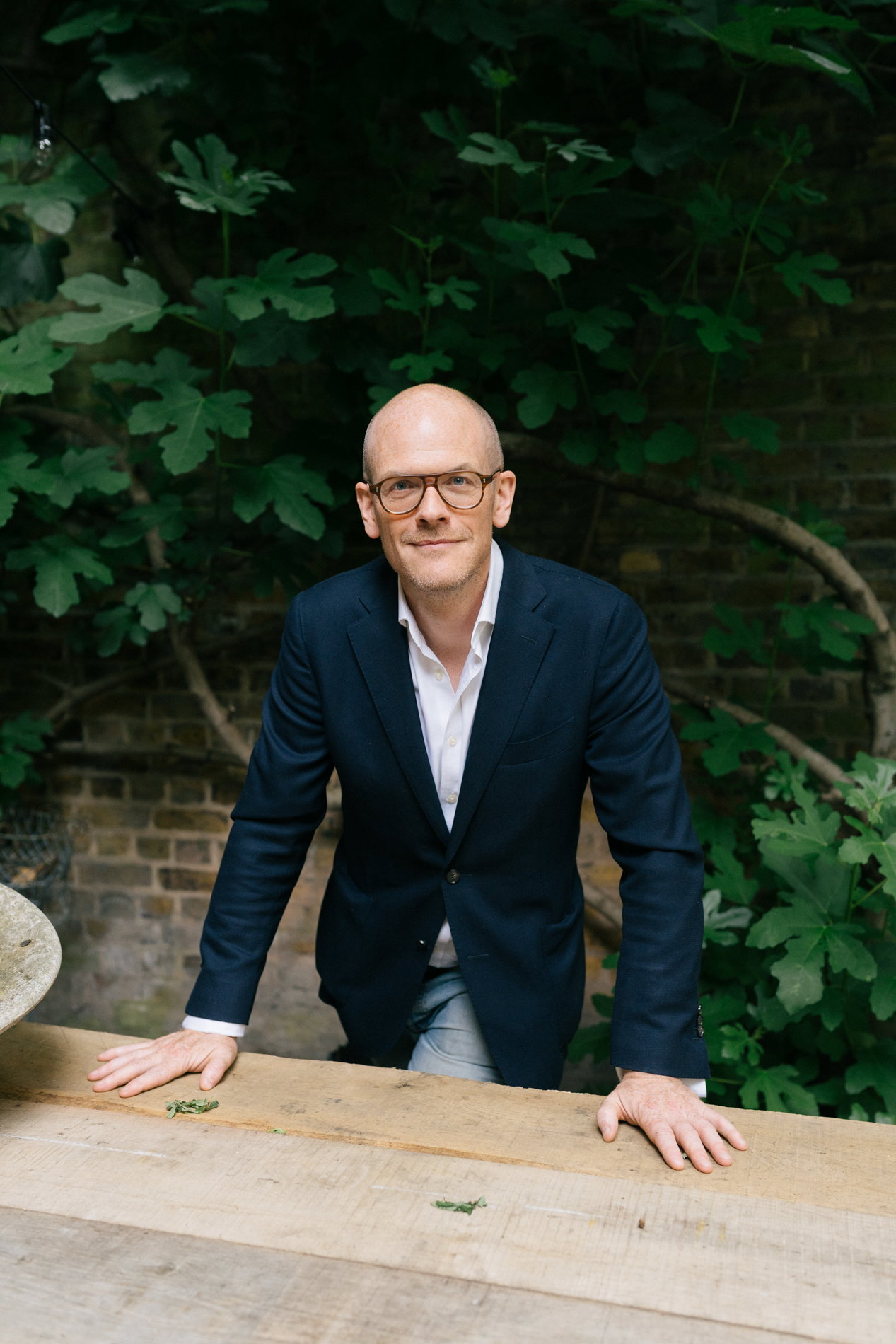
Image – Anatome
And they are? “Sleep well. Move your body. Eat good food. Spend time outside. Find a few daily rituals that help you slow down,” he advises. Supplements can help too, but use them wisely. “I’m not against supplements at all, but they should solve a specific problem rather than become a collection of bottles. Wellbeing should feel achievable, not overwhelming.”
He also says simple things like reading, music, theatre and cooking are, “all ways of slowing down and reconnecting with ourselves. Wellbeing doesn’t always have to be another product or another app.”
For Murdock, it’s been movement – particularly outdoors – cooking and sleep that have made the biggest difference to his personal wellbeing. “Running or cycling clears my head better than anything else, and it’s often where I have my best ideas,” he says. “I’m also a keen, if fairly rustic, cook. Preparing dinner is how I leave work behind and begin slowing down.”
But he says sleep is key. “I’ve learnt that protecting my sleep is probably the single best investment I can make in my wellbeing,” he says. “Sleep sits at the heart of all of it. When you sleep well, you think more clearly, recover better and cope with life differently. That’s why sleep became the cornerstone of anatome.”
The birth of anatome
Murdock’s love for the outdoors clearly stems from his upbringing beneath the Mourne Mountains, Northern Ireland. “You don’t really realise it at the time, but you’re constantly surrounded by nature,” he says. “The sea, the mountains, the changing weather – they all shape how you feel. Looking back, I think that’s where my fascination with wellbeing began.
“Today, many of us live in cities and have become disconnected from those places that naturally restore us,” he continues. “That became the foundation of anatome. We’ve always believed our surroundings and our senses have a profound impact on our wellbeing, and scent is one of the simplest ways to reconnect with that feeling. Everything we’ve created is really about bringing a little of the calm, clarity and energy I grew up with into everyday life.”
The brand combines both science backed and emotional wellness. “I don’t think the two compete with each other; I think they complement each other,” he explains. “Science helps us understand why something works, but it’s the emotional experience people remember. A scent can transport you to the sea, a forest or a favourite memory in an instant. That’s incredibly powerful.”
Anatome provides the best of both worlds. “We use science to formulate products that support wellbeing, but ultimately, we’re creating experiences that make people feel calmer, happier or more grounded. The science should support the feeling, never replace it.”
If you haven’t yet tried anatome, Murdock suggests starting with the topic of sleep. “Our Sensory Point Sleep Oil is always my first recommendation,” Murdock says. “It’s our hero product and the one customers regularly come back to tell us has genuinely changed the way they sleep.”
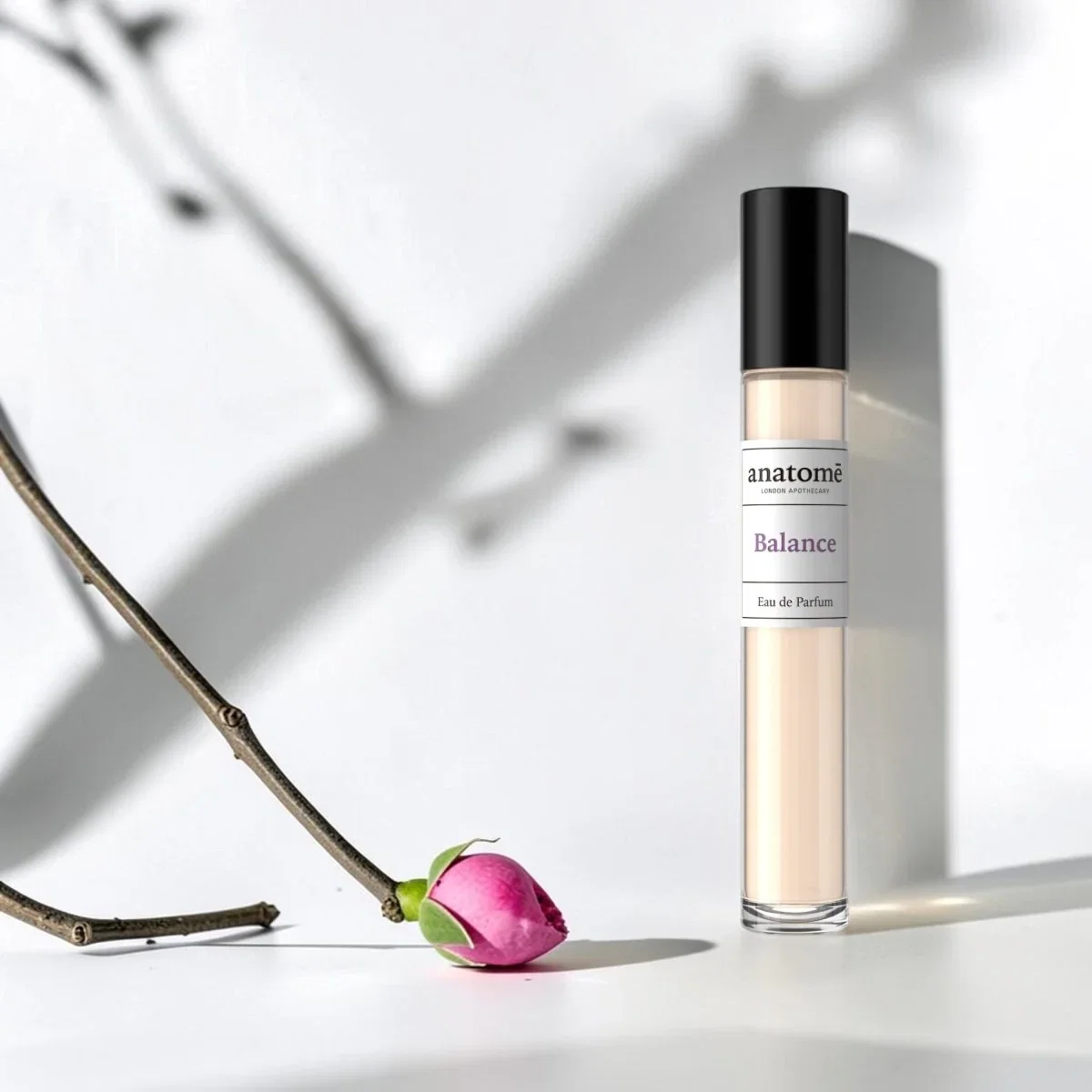
Image – Anatome
And after that? “I’d recommend the parfums because they’re designed around how you want to feel rather than simply how you want to smell,” he explains. “Expression is still my favourite. It reminds me of the Atlantic coast – places like Comporta or Cap Ferret – and immediately gives me a sense of calm and perspective. For anyone discovering the brand, our discovery set is the perfect place to start because you can live with each fragrance and discover what works for you.”
Which brings me onto functional fragrance – using fragrance to make you feel a certain way, rather than just ‘smelling nice’. Murdock suggests those new to it should, again, start with sleep, “because it’s the easiest place to notice the difference.” His recommendations? “Our Sensory Point Sleep Oil and Pillow Spray create a simple evening ritual that many people tell us transforms the way they unwind,” he says. “Then I’d encourage people to ask a different question. Instead of asking, “what do I want to smell like?”, ask, “how do I want to feel?”
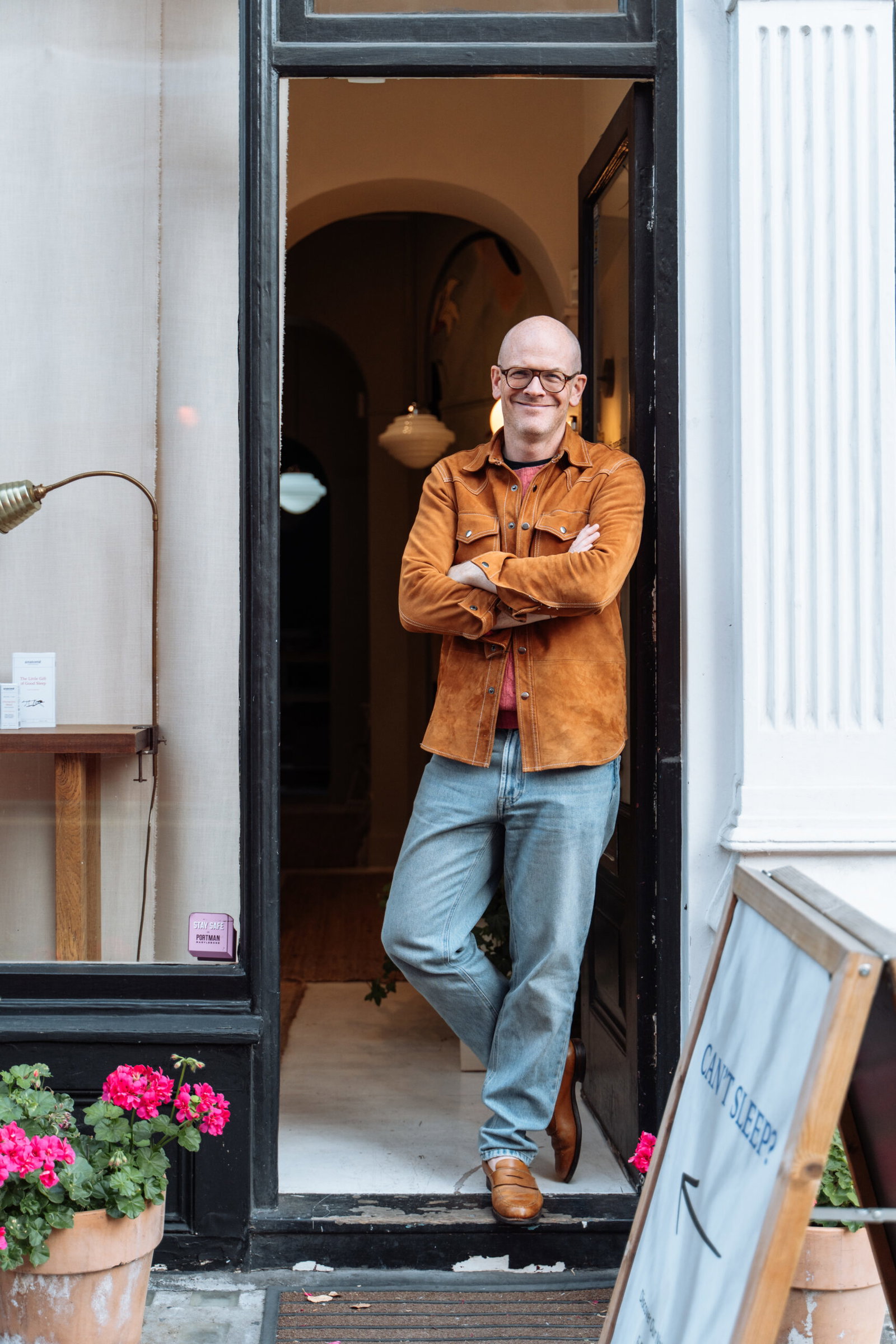
Image – Anatome
And that’s how it works. “Some days I wear Expression because it reminds me of the coast and helps me slow down,” he continues. “Other days I’ll layer it with Energy when I need a lift before meetings. It becomes part of how you support yourself throughout the day.”
Functional fragrance, aromachology and neuroscience
As a beauty editor, it’s hard to get past the stigma of “oh, so you write about lipstick for a living!” If I had a dime for every time I have had to explain that beauty goes way beyond lipstick and shampoos, well, I’d be a very rich beauty editor. Because the effect that fragrance and aromatherapy, for example, can have on our mental wellbeing is greater than many people realise. These products don’t just smell nice, they can scientifically change how you feel.

“When I was building Murdock London, I spent time exploring old apothecaries in London, Florence and Vienna,” explains Murdock. “They’d been using botanicals for centuries – lavender to calm, spices to invigorate, resins to ground the mind. They understood these plants did something beyond smelling beautiful.”
And now science has caught up with history. “Working with our perfumer, Anastasia Brozler, introduced me to aromachology and the neuroscience behind scent,” Murdock continues. “Once I understood that scent reaches the brain’s emotional centre faster than any other sense, it completely changed my perspective. Fragrance wasn’t simply something you wore; it became something that could genuinely influence how you feel.”
The takeaway
So, perhaps we are taking things too far when it comes to wellbeing, and the solutions are actually closer to home than we think. A walk in the fresh air, a good night’s sleep (with the help of a highly recommend sleep oil and pillow mist), a bit of cooking and a few daily rituals can be all it takes to feel yourself again. And the need to over complicate things with apps and gadgets can have the opposite desired effect.
“We’re always searching for the dramatic solution, when in reality it’s the small things we do consistently that make the biggest difference,” says Murdock. “Over time they become habits rather than chores. We often underestimate these quiet moments because they aren’t glamorous, but they’re usually where real wellbeing begins.”