

Meet the 5,000-Year-Old Approach to Beauty That Feels More Relevant Than Ever
Main image – Ohlamourstudio/Stocksy
Wellness has become quite hard work, hasn’t it? One minute we’re being told to wake up at 5am, plunge ourselves into freezing water and drink something green before breakfast. The next, apparently, we should be prioritising rest, protecting our cortisol and absolutely not looking at our phones until lunchtime. Frankly, keeping up with being well can feel exhausting.
Ayurveda, on the other hand, is something I’ve loved since my teens. I’ve had countless Ayurvedic treatments and bought more oils, remedies and products than I’d probably care to add up – and if there’s one thing they’ve consistently done for me, it’s make me feel calmer.
But it turns out that even after all those years, I’d barely scratched the surface of what Ayurveda actually is.

The 5,000-year-old Indian system of medicine is often reduced in the West to turmeric, ashwagandha and the odd wellness supplement, but according to Ria Pattni, co-founder of Ayurvedic wellness brand Fushi, we’re missing rather a lot of the point.
“Ayurveda is a framework for coming back to yourself, understanding your own body constitution, your own rhythms, and making choices from that place rather than from panic or pressure,” she explains.
And in a wellness world that seems increasingly determined to tell us there’s one more thing we should be doing, buying or giving up, that sounds rather appealing.

Image – Fushi
We spoke to Pattni about what Ayurveda actually looks like beyond the wellness buzzwords, the simple practices she believes are worth adopting and why an approach to health that has existed for thousands of years might have something to teach our thoroughly overwhelmed modern selves.
Wellness overwhelm and common misconceptions
The irony of course is that wellness is meant to make you feel good, not confused or overwhelmed. Pattni gets it. “There’s more information available than ever, one week a certain food is a superfood, the next it’s something to avoid,” she says.
“Everyone’s shouting louder to be heard, and in that noise, people have started outsourcing their own instincts to whichever trend is loudest that day, rather than trusting what their own body is telling them.” Crucially, she adds, “wellness shouldn’t be one more thing to keep up with. It should feel natural and easy.”
Cue Ayurveda. Although, in the UK Pattni says we can be guilty of diminishing the true meaning and purpose of it. “Ayurveda is most often reduced to herbal supplements… when that’s just a small piece of a much larger system involving diet, routine, seasonal living, and sleep,” she says. “It also tends to get filed under ‘alternative medicine’ used only when conventional treatment fails, rather than understood as a daily, preventative way of living.”
She also says that the relationship between mental and physical health is overlooked too. “The mental and spiritual side, particularly Manasika (mental health), is largely left out of the conversation, even though Ayurveda treats mind and body as inseparable,” she explains.
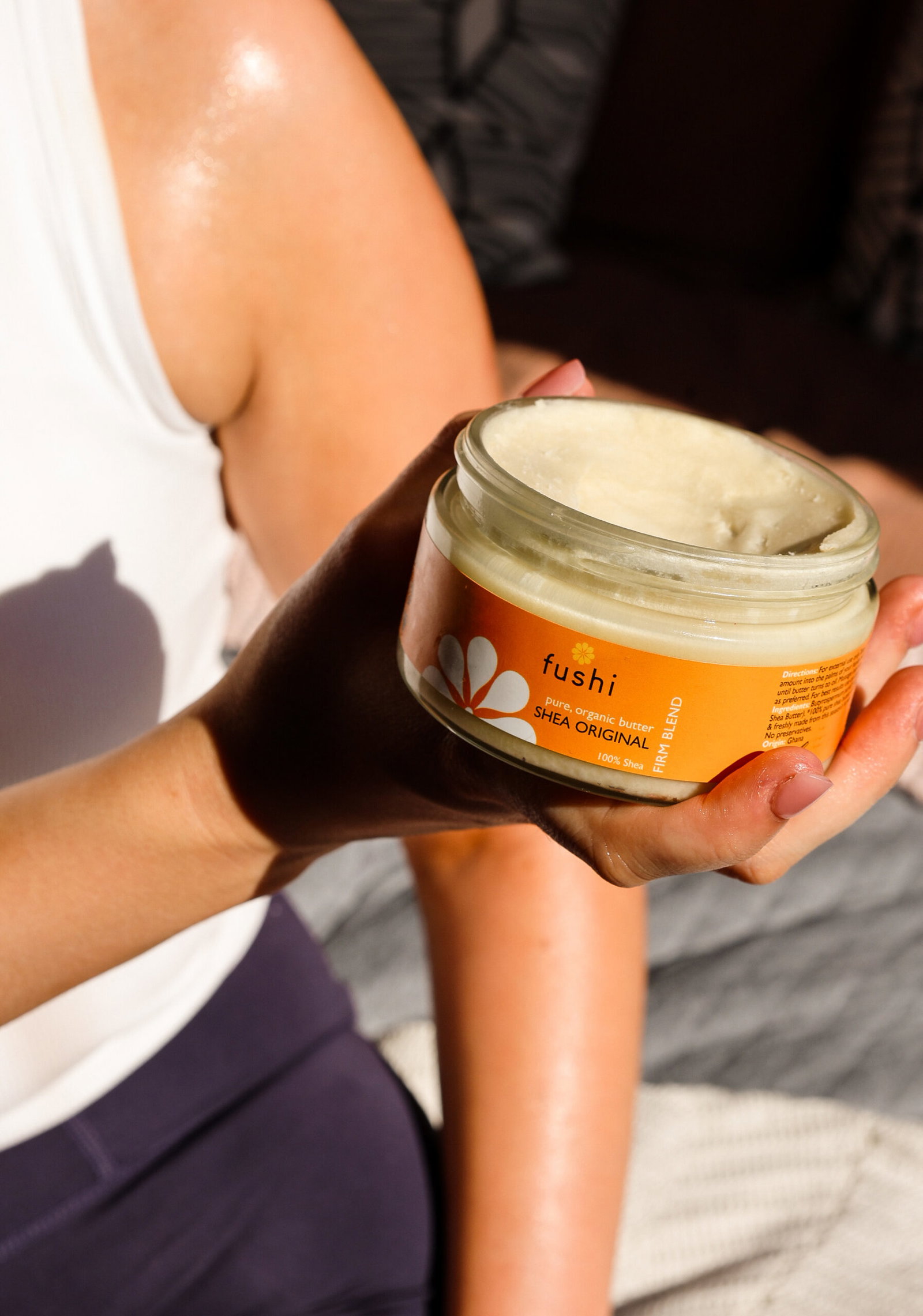
Image – Fushi
“And because it predates modern clinical science, it’s often dismissed as unscientific, despite being built on thousands of years of careful, practical observation. Its purpose runs much deeper than remedies or rituals; it’s about bringing you to a state of “Swastha,” true health of mind and body.”
It’s no surprise then that Ayurveda is also related to yoga. “We often don’t know that Yoga is Ayurveda’s sister science, and the two work hand in hand, one shaping how we live, the other how we move, breathe, and still the mind. Together, they offer a truly complete path to health.”
So if this sounds like something you could introduce into your life, where does Pattni think you should start? “Learn your body type. That’s always my first piece of advice,” she says.
“Ayurveda recognises that we’re not all built the same, what balances one person might unbalance another. Understanding whether you lean towards Vata, Pitta, or Kapha changes everything: how you eat, how you move, even how you rest. Once you know your starting point, the rest of Ayurveda starts to make sense as something personal, not generic advice.”
Ayurveda as a way of life
For Pattni, Ayurveda is just part of her usual day to day. “Some of my earliest memories are of using a pestle and mortar together, grinding herbs, and making remedies by hand for whatever health concern arose,” she explains. “[My grandfather] and my mother instilled daily routines in us from a young age, what Ayurveda calls ‘Dinacharya’, waking with the day, eating in season, even oiling our hair every Friday. None of it felt like ‘Ayurveda’ at the time; it was simply how we lived.”

And this is where her passion to share the advantages of Ayurveda started. “As a child, I already understood the Ayurvedic concept of food compatibility and the rhythm of the seasons, not as theory, but as life itself,” she says. “Having felt the benefits of that upbringing and carried them into adulthood, I knew I wanted to bring this way of living to more people, and that’s really where Fushi began.”
Why Fushi stands out
Pattni co-founded Fushi, an independent Ayurveda and wellness brand, 16 years ago. “We were entirely product focused” she says. “Our mission was to bring genuine quality, to really learn about sourcing and immerse ourselves in the world of ingredients.”
And everything is home made. “We make our own products and always have,” she adds. “Being that hands-on meant we grew slowly and steadily, building the brand through word of mouth rather than noise. Personal customer service was there from day one, our customers were central to everything, and we were never chasing rapid growth for its own sake.”
The mission? “To genuinely enhance people’s wellness, and we wanted to do that the Ayurvedic way: taking our time, and only ever doing the best we could, not the fastest.”
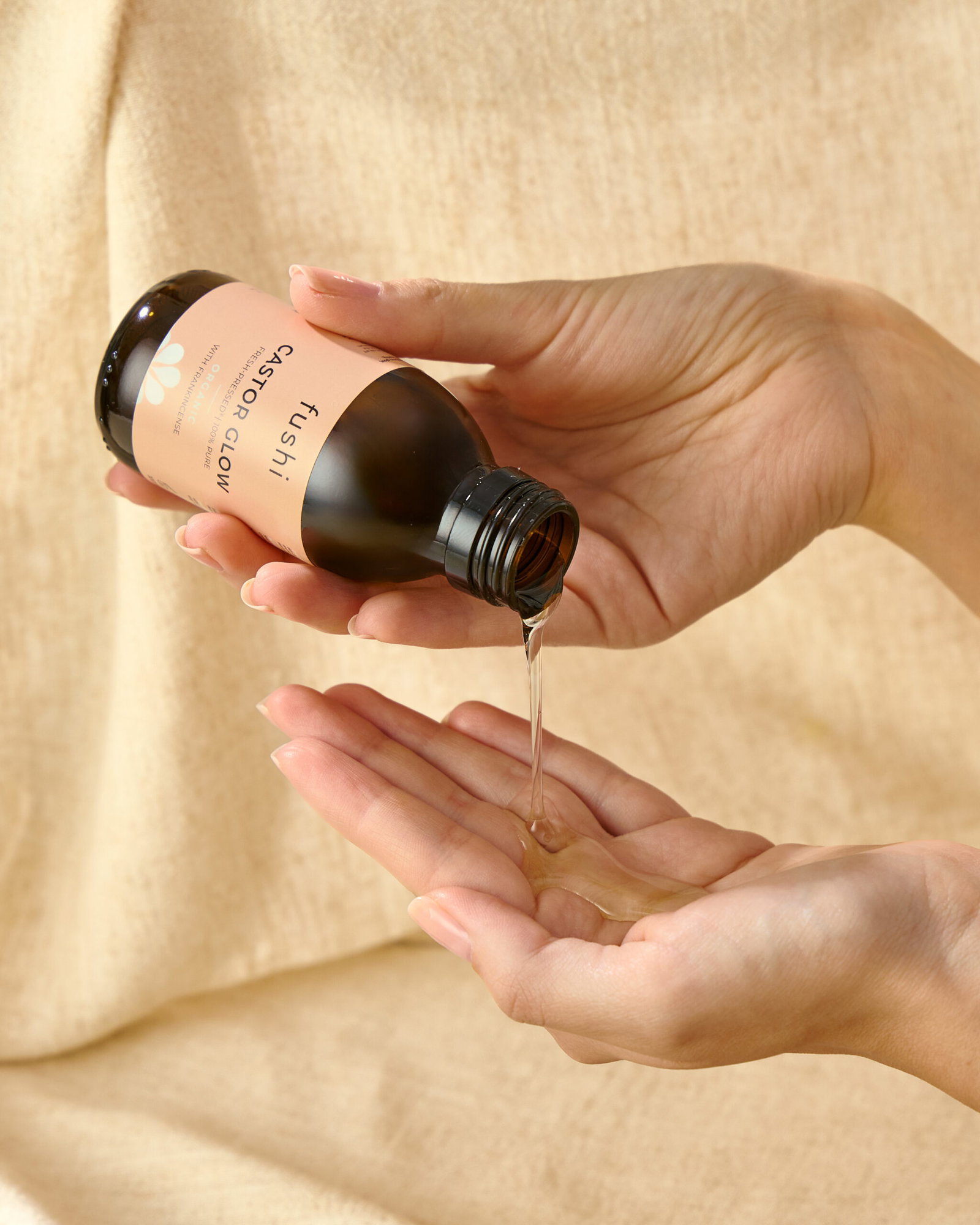
Image – Fushi
Despite the wellness industry becoming more commercial, Pattni has stuck to her guns. “It’s easy to say “ethical” or “sustainable”, those words cost nothing,” she says. “Living up to them is a different matter, even for us. In an industry that’s become so commercialised, respect for the earth and for the people who grow these ingredients often gets lost along the way.”
Impressively though, the brand has always prioritised fresh, ethically sourced ingredients over simply following trends, which of course Pattni says takes longer, but is more rewarding in the long run. “Freshness took years to build, visiting growers, developing real supply chains, finding ways to preserve that prana, that living freshness, all the way into the final product,” she explains.
“Better forecasting, better planning, all in service of one thing: fresh herbs and oils that stay true to Ayurveda, carrying that living vitality, which we call prana, into everything we make. Being a small indie brand, finding ways to travel to these places and learn more all took time, money, and real diligence. It was a commitment we’d made, and doing anything less than right, however hard it got, just wouldn’t have sat well with us. So, we kept learning, kept improving, kept getting better at how we did things, and we’re still very much in that process.”
So out of all Fushi products, which one does she recommend the most? “Our Really Good Hair oil, without question, and Triphala,” she says. “The hair oil because it’s one of those products that quietly does everything, nourishes, strengthens, calms the mind through the ritual of applying it. Triphala because it’s one of Ayurveda’s most complete formulations, gentle enough for daily use, and something I genuinely believe supports the body from the inside out.”
The wellbeing habits not to compromise on
Pattni believes that certain daily rituals can significantly improve your health. So what are the simple daily habits that she would recommend trying? “Oil pulling, or even just a few minutes of tongue scraping in the morning,” she says.
“It sounds small, almost forgettable, but in Ayurveda the mouth is considered a mirror of digestive health. It takes under a minute but has profound effects on health. And my Pranayama practice, which is also part of Ayurvedic living. Yoga and Ayurveda live hand in hand. These are simple daily habits with huge impacts.”
For Pattni specifically, it’s yoga and healthy eating that makes the biggest difference to her. “Eating fresh meals, and my pranayama. However packed the day gets, those two things stay non-negotiable, they’re what keep me grounded,” she says.
The takeaway
As it turns out, even after years of enjoying Ayurvedic treatments and products, I’d understood only a small part of what Ayurveda actually is. Far from being simply a collection of herbs, remedies and rituals, it’s a much broader way of living that encompasses everything from diet and sleep to seasonal living, mental wellbeing and yoga.
And perhaps that’s what feels particularly appealing about it now. At a time when wellness can feel like an endless list of things we should be buying, doing or optimising, Ayurveda offers an opposite approach: simply understand yourself first.
You certainly don’t need to overhaul your life overnight. If you’re curious though, Pattni’s advice is to start small – whether that means learning more about your Ayurvedic body type or simply introducing one of the daily rituals she recommends. After 5,000 years, perhaps the most modern thing about Ayurveda is the reminder that wellness doesn’t have to feel like another job.