This Just Might be the Most Inspiring Beauty Story You Read All Year
While I for one can only say I spent my time as a 15-year-old hanging out with my friends, listening to music in my bedroom (with the door firmly shut), and throwing in the occasional revising, the same can’t be said of Susie Ma. If that name sounds familiar, there’s a reason for that: When she was 15, she set up Tropic Skincare, a now multi-million-pound success story.
First created by Ma after she and her mother had just moved to London and were struggling to pay the bills, her back story takes in a stint on the UK version of The Apprentice (resulting in Lord Sugar investing heavily in the brand), as well as a ballsy by-back of all shares in her own company to become sole owner again. Along the way, she’s funded schools, climbed (literal) mountains, started her own family – oh, and as of now is officially a Guest Dragon on next year’s Dragons’ Den (the UK’s equivalent to Shark Tank).
We chatted to Ma about how she went from selling her products down the local market to shipping them worldwide, as well as how she copes with running one of the world’s biggest beauty companies while still only in her thirties (sob!).
Prepare to feel inspired (and possibly a little inadequate).
Greenwich market
Finding their feet in London, having moved there from Australia (Ma is originally from Shanghai but her family later relocated to Cairns, Australia, before settling in London), Ma says she and her mother had no family, no friends and very little money. So she had an idea.
“Back home, my grandmother used to make this beautiful body scrub to soothe my skin, which was often irritated by insect bites,” she explains.
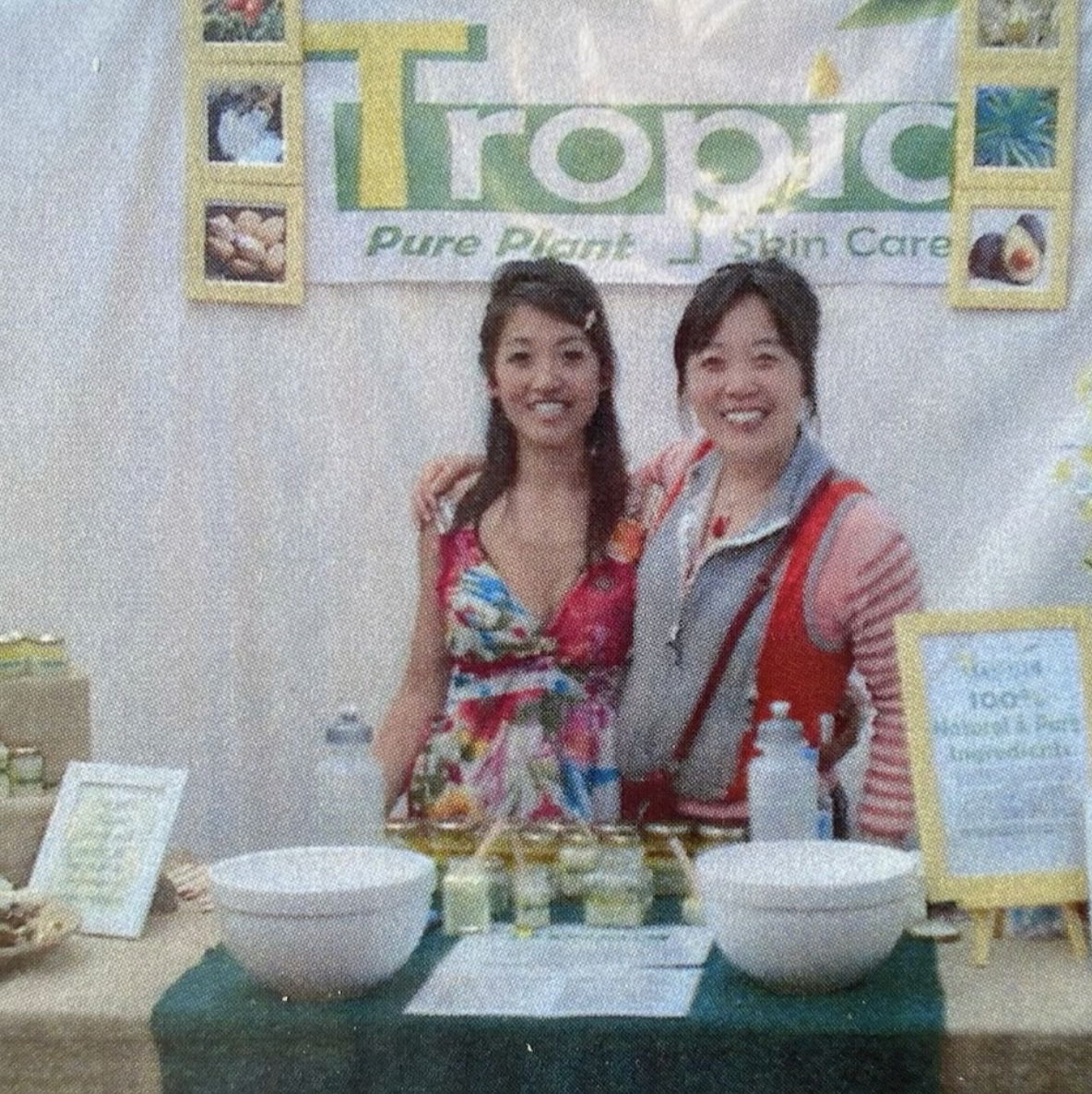
Image – @susimatropic/Instagram
“It was made with macadamia oil, golden jojoba oil, fresh sea salts, and lemon myrtle and eucalyptus essential oils – it smelled like sunshine. The essential oils even acted as a natural mosquito repellent! When I realised we needed extra income, I decided to recreate her recipe – and add my own twist.”
She added in bergamot oils, sweet almond oil, and a touch of vitamin E for extra nourishment. “Then I prepared it in our tiny kitchen, spooned it into jam jars, labelled each one by hand, and named it ‘Tropic’ as a nod to my childhood growing up in Tropical North Queensland in Australia. I then set up a little table at Greenwich Market, nervous but hopeful, armed with jars of scrub and a big smile.”
And Ma’s instincts paid off almost immediately. “To my amazement, people loved it,” she says. “I offered hand treatments, watched faces light up, and sold out on my very first day – one of the proudest moments of my life. It made me realise that something made with genuine care could make people feel good and do good at the same time.”
And from there, she just kept on going. “Of course, not every day was a sell-out, but that first success gave me the confidence to keep showing up weekend after weekend. I roped in friends, their parents, anyone who’d help – paying them commission on every sale.”
Image – @susimatropic/Instagram
She even managed to hire one of them later down the line. “One of my best salespeople back then, Carlton, is now our Managing Director and has been pivotal in growing Tropic into the brand it is today. That tiny seed of an idea truly grew into something extraordinary.”
Building a connection
So when did Ma realise she was onto something much bigger? “It happened surprisingly early on, probably within the first few months at Greenwich Market,” she says. “At first, I thought I was just selling a lovely natural scrub that reminded me of my grandma and helped support my mum and me. But the more I spoke to people, the more I realised they weren’t just buying skincare – they were connecting with a story.”
And the positive feedback kept on coming. “Customers would come back and tell me how the scrub made them feel: Confident, happy in their skin, excited to use something fresh and natural,” Ma explains. “It became clear this wasn’t only about beauty; it was about wellbeing, self-belief, and contributing to something kinder for people and the planet.”
And she says this was the realisation that shifted everything. “I knew I didn’t want to simply sell products; I wanted to build a brand with purpose. One that celebrated nature, empowered people, and gave back. That’s really when Tropic’s mission took shape – to create a business as kind and intentional as the products themselves.”
Changing business models
And the gamble paid off – Tropic is now one of the UK’s biggest beauty companies. And I genuinely say that (even as a beauty editor who’s probably become quite a product cynic over the years), I really enjoy this brand.
That said, I’d be lying if I said my initial impression of Tropic hadn’t been impacted by the company’s direct sales ambassador approach.
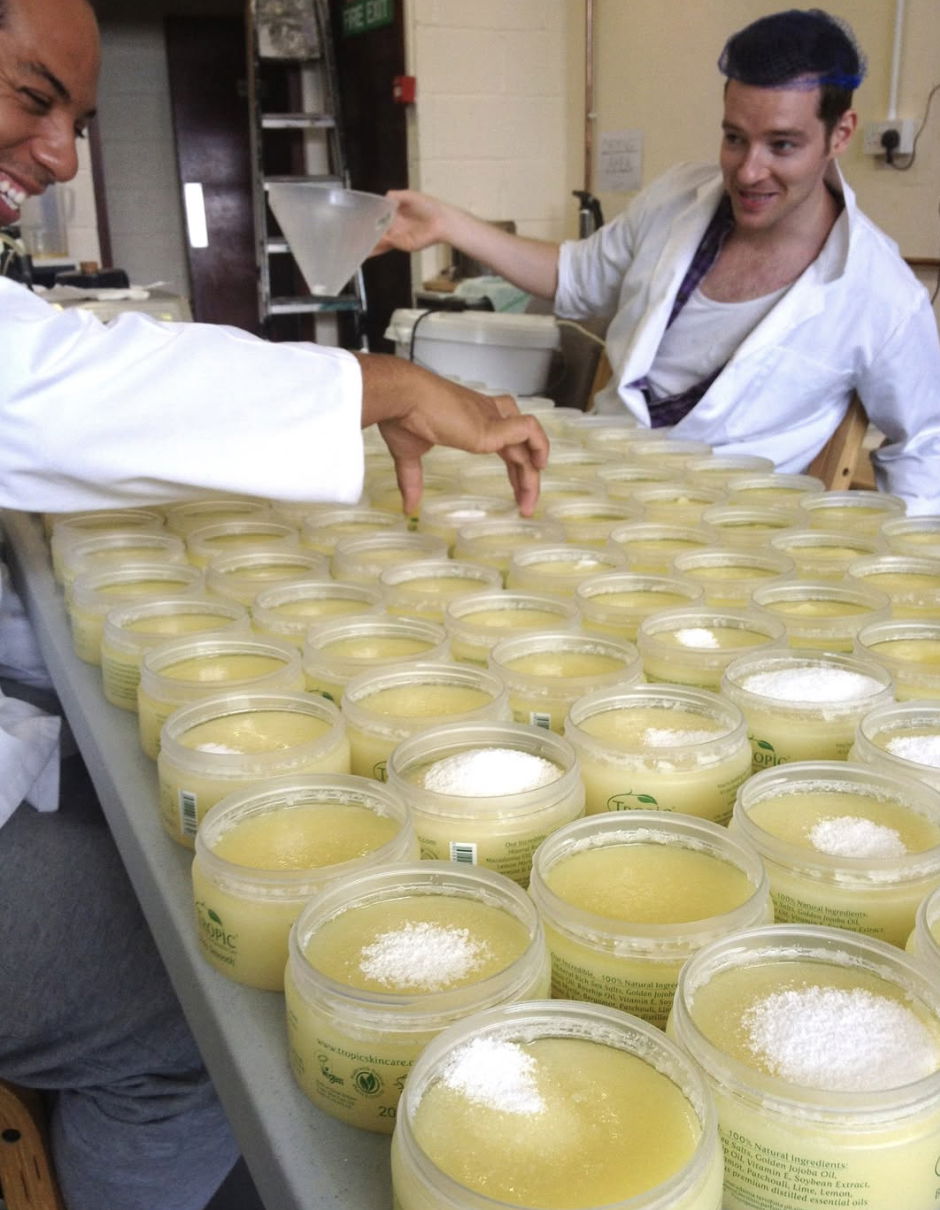
Image – @susimatropic/Instagram
In fact, look for reviews of Tropic online and the only criticism I ever see of the company is hesitancy about its sales structure, which some have compared to an MLM (especially since some MLMs have received bad press in recent years).
So why choose this structure? And how inclusive really is this business model, or is it just good for profits? I asked Ma.
“From the start, I wanted Tropic to grow in a way that stayed personal,” she explains. “What I loved most about selling at Greenwich Market wasn’t just sharing the products – it was the real conversations, the genuine connection, and seeing people’s faces light up when they found something that truly worked for them.
“The real turning point came when four women, who had been part of Richard Branson’s Virgin Vie direct selling business that had just closed down, got in touch with me after seeing me on The Apprentice. They proposed the direct selling model, and something about it instantly clicked. I was new to the idea, but once I started researching, I fell in love with the freedom and opportunity it gave people – especially looking back at legacy companies like Avon and Tupperware, which empowered women to build businesses even before they could vote.”
Ma claims this aligned perfectly with what she had already started doing at Greenwich Market, asking friends to sell her products for a commission. “So, we committed to growing through people, not third-party retailers,” she says. “Instead of paying shop margins, that money would go towards people’s commissions, creating opportunity and impact. Those same four women went on to become some of our most successful ambassadors, building incredible businesses with us.”

Susie with a group of brand ambassadors. Image – @susimatropic/Instagram
She even goes further – explaining that this model has since become the heart of the brand. “It allows thousands of people, mostly women, to build their own flexible businesses by sharing products they genuinely believe in. It’s entirely people-powered, and that’s what gives it heart,” she says.
“Every conversation, every recommendation, every order carries a personal story and a ripple of positive impact. That authenticity is our strength.”
The Apprentice days
Knowing what I know about Ma’s entrepreneurial drive now, it was no surprise that at aged 21, she would go on to apply for one of the UK’s most successful TV shows – The Apprentice. At the time though, as I watched the series she appeared in from my couch in 2011, I knew nothing as yet of Tropic or Susie’s back story. But why do the show if she was already successful?
She explains it came from being bored doing a 9-5. “After studying Philosophy and Economics at UCL, I decided to explore a more traditional career path in finance for stability,” Ma tells us.
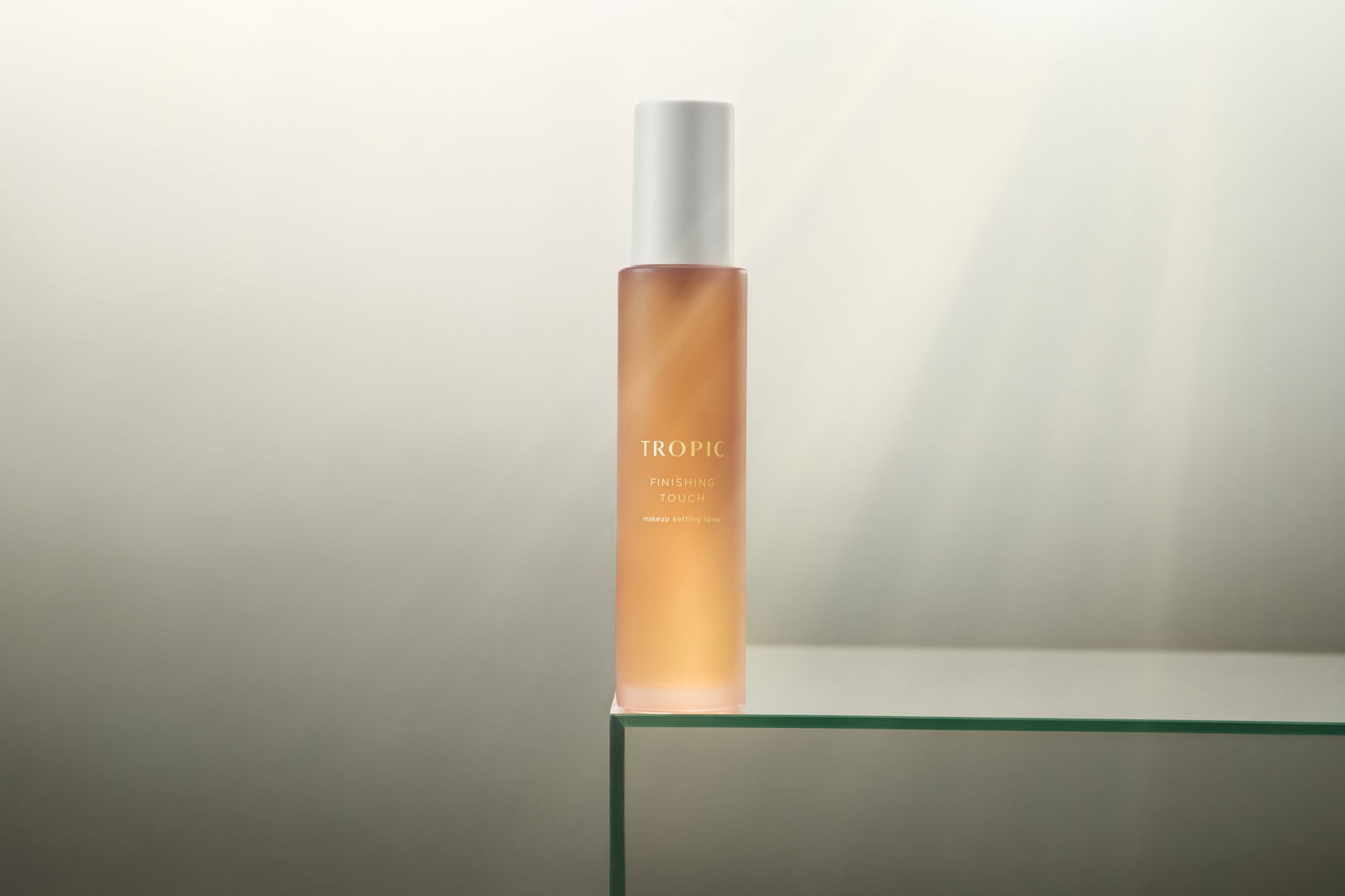
Image – Tropic
“In my final year of university, I actually packed up Tropic to focus on my degree, as it was taking up so much time. My first job out of university was as an FX sales and trader at Citigroup. Eight weeks in, sitting in front of eight screens for up to sixteen hours a day trying to maximise profits for my employers, I realised I couldn’t imagine doing it for the rest of my life. It felt empty and purposeless.”
And the rest is history. “I told my friends how unhappy I was, and one of my school friends posted a link to The Apprentice application on my Facebook page,” she says. “It was the first year they’d changed the format from a £100k job to a £250k investment for 50% of your company. I was 21 and thought, ‘why not?’ 73,000 people applied that year, and so I never expected to get on the show.”
But she did. So, what was it like? “Filming was a pressure cooker like nothing I’d experienced before – we launched 12 businesses in 6 weeks, and I absolutely loved the creativity, energy and fun of it all,” explains Ma. Luckily for us beauty addicts though, the process re-lit a fire in her to go back to her roots.
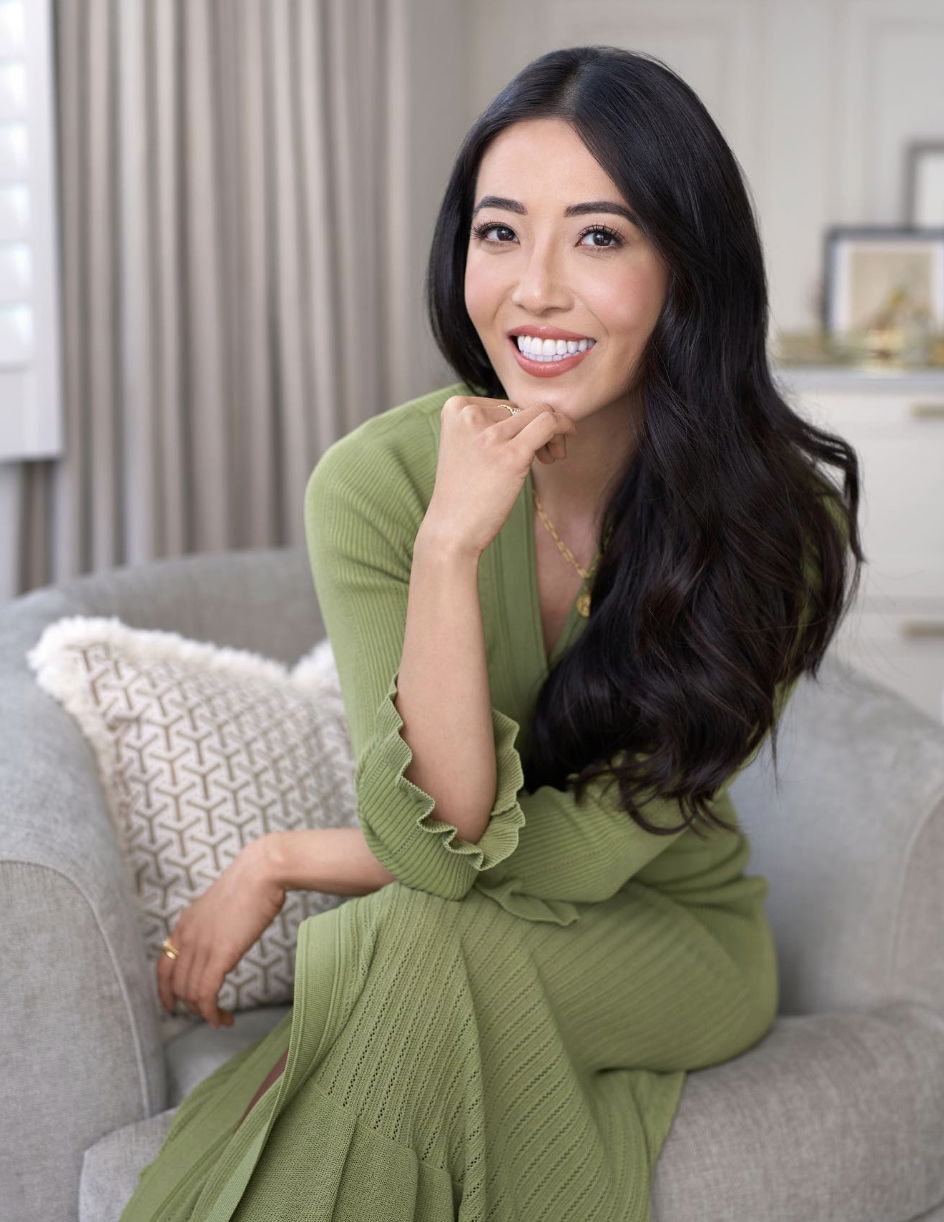
Image – @susimatropic/Instagram
“I made it to the final before being ‘fired’, but by then I knew I had to return to my real passion: Tropic,” she says. “I took the money I’d earned in banking and used it to relaunch the business. That decision completely changed the trajectory of my life forever, and it taught me one of the most important lessons of all – when you pour your energy into something that lights you up, work transforms into purpose – and every day feels meaningful.”
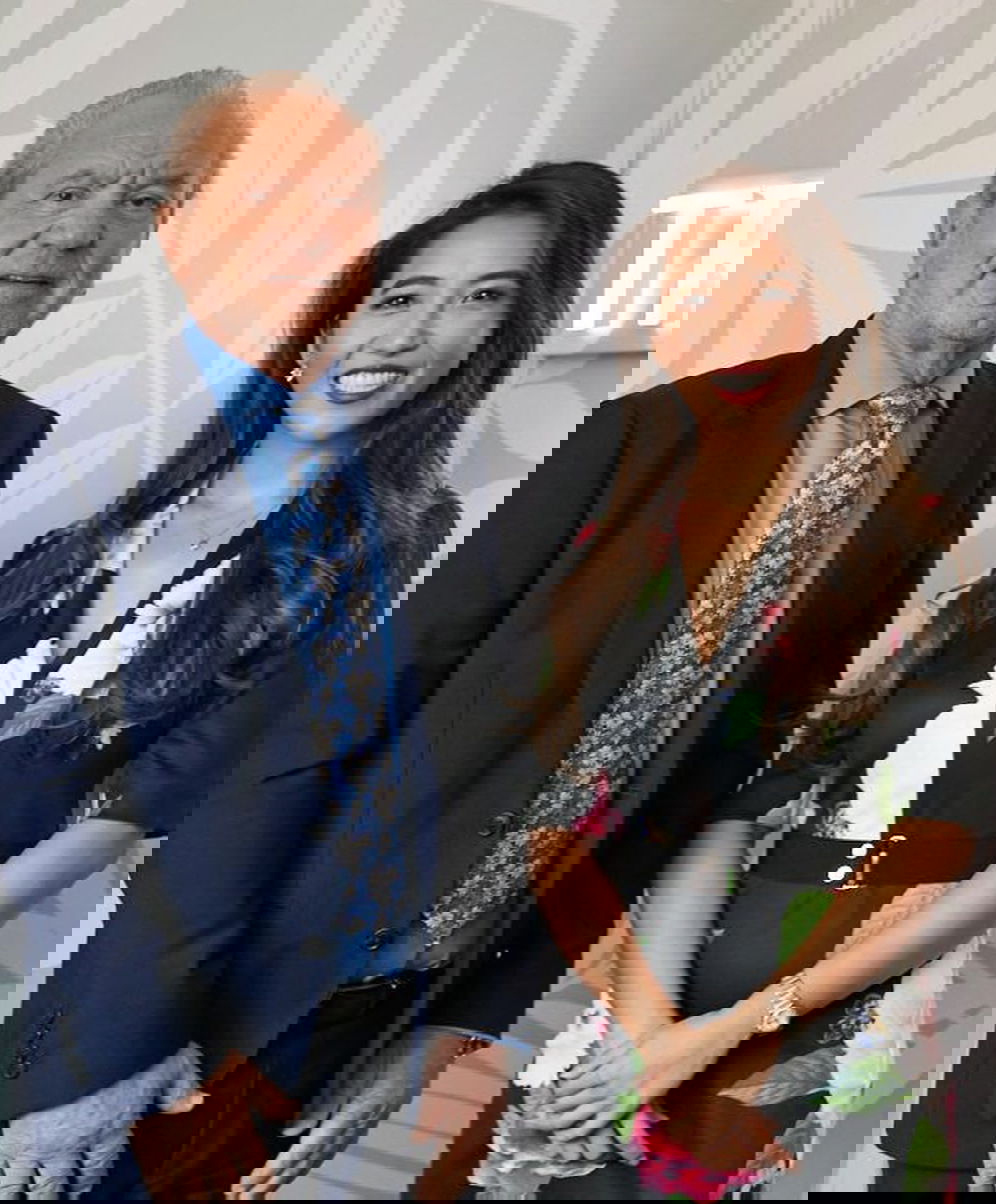
Susie and Lord Sugar. Image – @susimatropic/Instagram
Despite not winning The Apprentice though, Susie obviously left an impression on Lord Sugar, who later invested in Tropic, allowing the company to move its base out of Susie’s mum’s kitchen. The entrepreneur later went on to buy back full ownership of her company, returning the business to a 100% female founder-led company.
‘Most of our ideas stem from real problems’
As a big fan of Tropic at Live That Glow, one of the things I really appreciate (again, as a beauty editor who can frankly feel like the sheer number of launches is sometimes just too much), I’ve always liked that the brand strikes a balance when it comes to product launches. There are enough of them to keep the excitement going but it never feels like the brand has launched something just because everyone else has.
“For us, product creation has never been about following trends or launching for the sake of it; it always starts with purpose,” Ma tells me. “Most of our ideas stem from real problems that our customers and ambassadors share with us. I receive so many product suggestions, but the key is to look beyond what people are asking for and understand the deeper ‘why’.
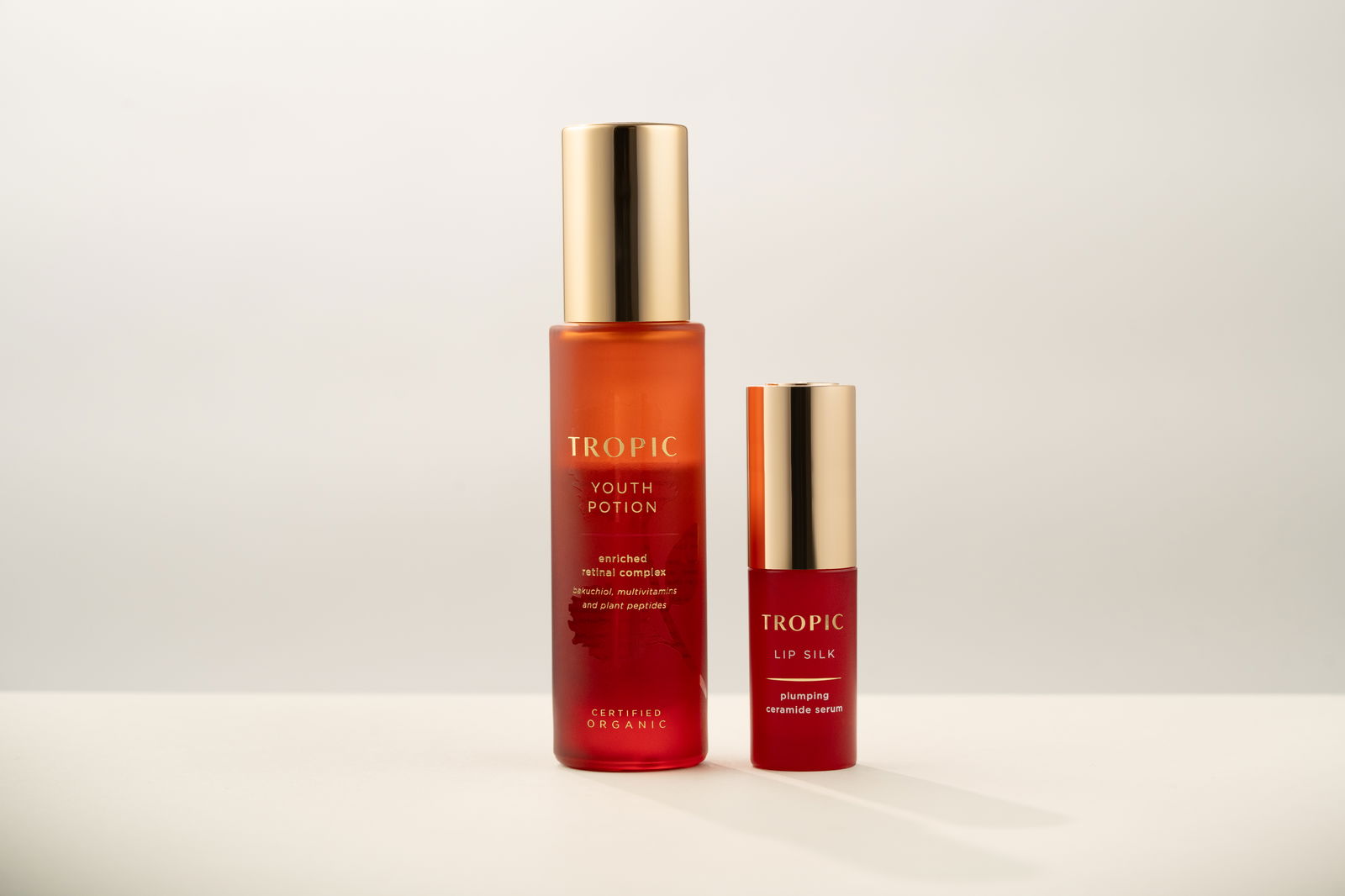
Image – Tropic
We only launch products when we know they are the very best they can be – purposeful, innovative, and able to earn their place in someone’s routine. That’s why our launches feel considered: because they are driven by vision, not velocity.”
So what happens once an idea for a product has been formed? “We embark on a thoughtful, often years-long development journey. We examine every detail – from formulation to performance – in-house and seek out extraordinary ingredients from the tropics, the region around the equator blessed with abundant sunshine and rainfall,” she says.
“I believe this part of the world holds the most nutrient-rich plants on earth, and they inspire so much of what we create.”
The brand’s principles
Ma says that now the company is even bigger, her main drivers are transparency and quality. “Tthey] have been the bedrock of Tropic from day one,” she says. “I wanted to build a brand people could trust wholeheartedly, where every ingredient, decision, and promise is made with integrity.”
She tells me this is mirrored in the products’ ingredients. “We use the freshest, most nutrient-rich botanicals we can find, and we’re transparent about what goes into every formula,” she adds.
“We know there’s always room to do better, and we’re constantly challenging ourselves to innovate in ways that are kinder to both people and the planet. Many of our skincare products are COSMOS organic certified, and all are vegan and cruelty-free.”
As a business leader too, Ma tells me that she believes how she leads matters. “My guiding principle is integrity with impact – doing what’s right even when it’s hard, and always striving to create meaningful, positive change.”
“Whether it’s how we treat our team, our ambassadors, or our customers, we listen, learn, and lead with intention. Success should never come at the expense of people or the planet,” she continues.
And it seems that not taking the easy path comes naturally to Ma. A quick scroll of her Instagram will tell you that not only is her passion for philanthropy an ongoing one, but that even in her personal life she likes a challenge.

Image – @susimatropic/Instagram
But in a noisy beauty space, and with an ever-growing brand, how does that need to do things meaningfully translate? “It can be challenging,” she says. “The beauty industry moves fast, and there’s pressure to chase trends or growth for its own sake. But I always come back to why we started Tropic: to create freshly made, naturally effective skincare that’s good for people and the planet. That purpose anchors us.”
And she adds that just because the brand is scaling up, doesn’t mean she has to compromise. “It means being more intentional. We still handcraft everything in our Beauty Kitchen in Surrey, read customer feedback daily, and lead with the same values of integrity, kindness, and innovation that shaped us from the beginning,” she explains.
“The noise can be loud, but I actually find it motivating. It reminds me how important it is to stay authentic.”
With so many dupe products and brands out there these days too, it must be a daunting prospect to a brand founder like Ma. But she has faith. “They could copy our products, packaging, even branding – but they could never replicate our culture,” she says.
What’s next
So what’s next for Tropic? “We’re investing heavily in research – from advanced botanicals and bioengineered ingredients to sustainable packaging technologies that elevate both our formulations and our impact,” she says. “And beyond the lab, we’re preparing to take Tropic to a global stage, sharing our mission and products with communities around the world.”
Another focus for the brand is the skin microbiome. “It influences everything from sensitivity to premature ageing, so we’re developing formulas that nurture and balance it for stronger, healthier skin.”

Susie at the brand’s school in Cambodia. Image – @susimatropic/Instagram
But closest to Ma’s heart is education. “Around 60 million children globally are still out of primary school, missing the most fundamental foundation for their future,” she explains. “Education is the most powerful tool to break the cycle of poverty, and it’s unacceptable that so many are denied that opportunity. That’s why we donate 10% of our profits to charities, with the majority supporting UWS. Through this partnership, we’ve funded over 7.15 million days of education to help educate children in Nepal, Cambodia, Madagascar, and Myanmar – but there’s still so much more to do.”
Ma explains that she would like to see every primary aged child in school within her lifetime. “I want Tropic to play a meaningful role in that, and to inspire other businesses to follow suit,” she says. “Profitability and purpose can coexist beautifully – in fact, I believe they strengthen each other. If more companies committed even a fraction of their profits to educating children, we could transform millions of lives and reshape the future for generations to come.”
The takeaway
It’s almost impossible to comprehend Susie Ma’s sheer determination. From setting up her multi-million-pound business as a teen, to having visions of using her success for good, and already putting some of them into practice by the age of just 36. The mind boggles, but thank goodness for people like her who never stop inspiring.
And for any teenagers who are inspired, what advice would Ma give to her 15-year-old self now? “I’d tell her to keep believing – even when things feel uncertain, even when others don’t quite understand the dream yet,” she explains.
“Every jar of scrub, every long day at the market, every act of kindness is shaping something far bigger than she can imagine. I’d tell her not to rush, to enjoy the journey, and to trust her purpose – because that will always be her compass. Doubt will teach her resilience; challenges will reveal her strength. Most of all, I’d remind her that leading with heart will never go out of style. That little scrub she made to help her mum is going to touch millions of lives one day.”


Get Glowing!