
Can You Apply Makeup Over Healing Scars in 2026? Here’s the Truth
SPONSORED
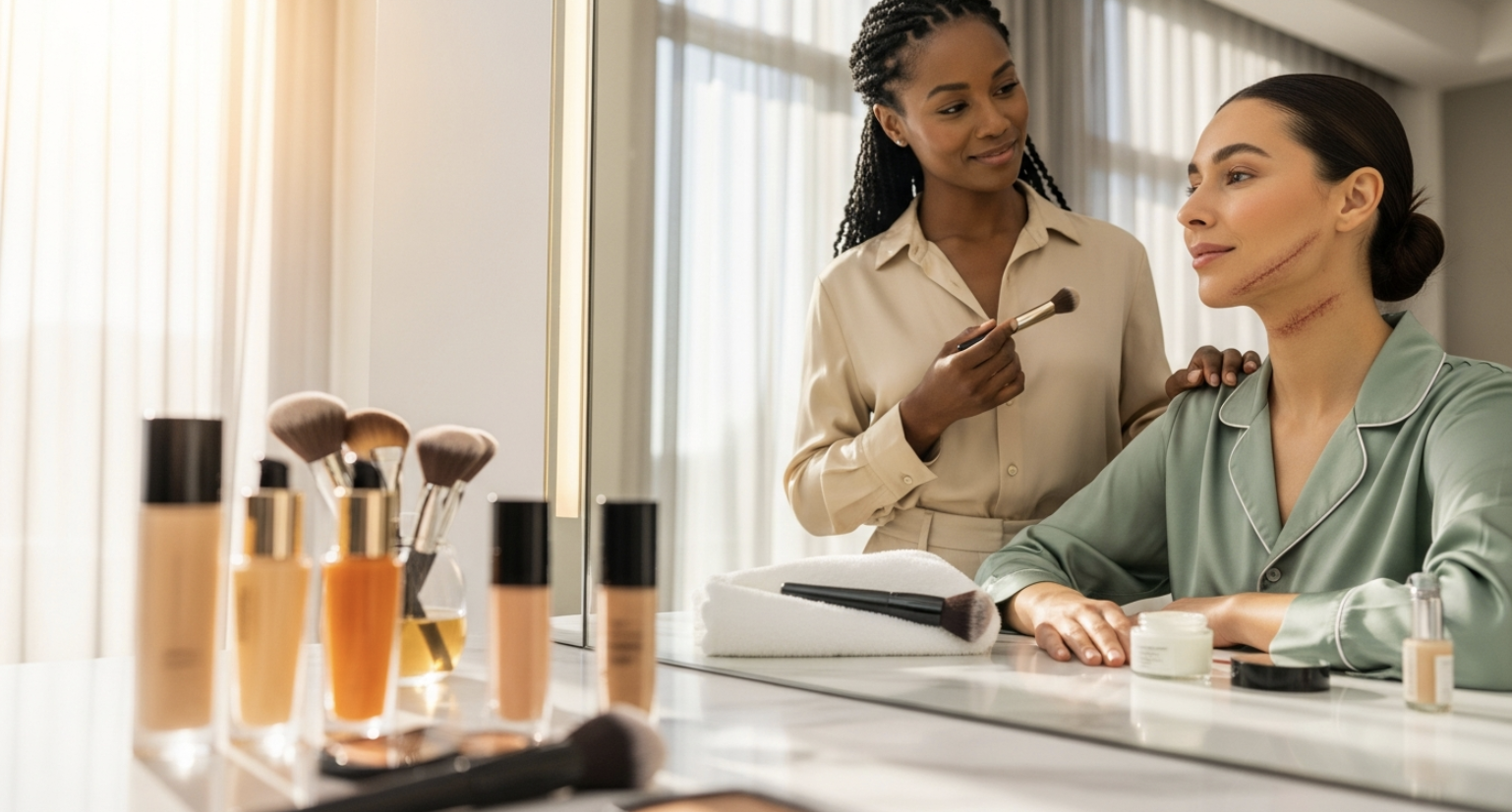
Image generated by Gemini
A split second can change everything. One moment you’re driving home from work, and the next you’re waking up in a hospital bed, staring down a surgical recovery you never planned for. Beyond the immediate shock of a severe car collision, patients suddenly have to navigate a tangle of physical, emotional, and financial hurdles.
Insurance companies start asking questions almost immediately, the bills pile up fast, and figuring out how surgical procedures might complicate an injury claim adds another layer of stress you didn’t see coming. The financial magnitude of these events is genuinely staggering. The National Safety Council reports that severe injury cases requiring hospitalisation and surgery can easily hit six-figure costs.
Adding insult to injury, the recovery process can seriously drain your wallet. And amid all the practical chaos, there’s another challenge that doesn’t get talked about enough: the jarring change to your physical appearance. Fresh stitches, deep bruising, angry redness. As initial healing kicks in, the urge to reclaim your pre-accident reflection becomes a powerful emotional driver, and it brings up a question plenty of people are quietly Googling: when is it actually safe to put makeup on newly formed surgical scars and lingering bruises?
The science of skin recovery: What happens after the incision
Three phases of wound healing
Your skin functions as an incredibly sophisticated barrier, and a surgical incision is basically a total breach of that system. Understanding the biological timeline of repair matters here because patience is non-negotiable before you put anything cosmetic near a wound. The neoepithelialisation process (that’s the technical term for skin barrier repair) is delicate and complex, demanding a very specific biological progression. Medical science continues to study it closely. A 2026 study in the journal Biomedicines detailed how VeritaCell-derived autologous skin cell suspensions enhanced wound closure and tissue architecture in a rat wound model, highlighting the significant cellular energy required to repair a surgical site.
Jumping in too early with topical cosmetic products can disrupt that fragile activity and compromise the final aesthetic result. Not the outcome you want after weeks of careful healing, right? Medical professionals break this recovery journey into three biologically distinct stages, and each one dictates how you should treat newly mending tissue:
-
Inflammatory Phase (Days 1-6): Your body responds to the initial trauma with redness, swelling, and a rush of immune cells working overtime to fight off potential bacterial infection. Visualise it as your skin’s first responders racing to the scene of an accident.
-
Proliferative Phase (Weeks 1-4): Fresh collagen production kicks in, and new granulation tissue forms beneath the surface to steadily pull the separated wound edges together. Things start looking less alarming during this window, but you’re definitely not out of the woods yet.
-
Remodeling Phase (Months to Years): The newly formed scar tissue matures, gradually flattening and fading from red or purple into a lighter, less noticeable shade. Yes, “years” is accurate; scar maturation is a genuinely long game.
The 2026 guide to cosmetic safety: When can you apply makeup?
Reading your skin barrier’s signals
The golden rule here is straightforward: never apply makeup to an open wound or an unhealed surgical incision. Introducing foundation, concealer, or powder to a breached skin barrier carries a real risk of bacterial infection and allergic contact dermatitis. There’s also another concern that catches people off guard. Applying pigment over an open incision can result in a permanent tattooing effect, as cosmetic pigments can become trapped beneath the newly forming dermis and discolor the surrounding skin.
So what needs to happen before any cosmetics are applied to the area? The wound should be entirely closed, all surgical stitches should be removed by your doctor, and there shouldn’t be any scabbing present. Patients are increasingly looking for ways to support underlying healing before reaching for the makeup bag, and the numbers back that up. Driven by a shift away from superficial cosmetic treatments, the international market for scar therapies is expected to expand significantly through 2033. Consumers are increasingly prioritising cutting-edge clinical treatments, such as radiofrequency microneedling and exosome therapies, over basic concealers.
|
Scar Status |
Visual/Physical Cues |
Makeup Safety Level |
Recommended Action |
|
Fresh/Open |
Red, raised, scabbing, stitches present |
Strictly off-limits |
Physician-approved ointments only |
|
Recently Closed |
Pink, flat, no scabs, fully fused barrier |
Proceed with caution |
Breathable, non-comedogenic color correctors |
|
Mature |
Faded, white/silver, smooth |
Safe |
Standard foundations and concealers |
Masterful camouflage: Pro techniques for concealing bruising and redness
Color theory and strategic application
Once your medical provider officially clears you and the surgical site is completely closed, you can start improving your post-surgery appearance with smart makeup techniques. Successfully concealing a healing scar requires a solid grasp of basic color theory, not just piling on thick layers of foundation. To counteract red scars, use a green-tinted primer or color corrector to neutralise the tone before applying any flesh-toned products. If you’re dealing with the purple and blue hues of post-surgical bruising, reach for a peach- or salmon-toned concealer to neutralise those deeper shadows.
Your application method matters just as much as the products you pick. Always use a clean, slightly damp beauty sponge (something like a Beautyblender or Real Techniques sponge works great), and tap or stipple the pigment onto the skin. Avoid dragging stiff makeup brushes across delicate new tissue. That friction can disrupt the tender, newly formed skin barrier, and you don’t want to undo weeks of healing progress for the sake of one afternoon looking camera-ready.
The emotional weight and long-term alternatives
Beyond the physical mechanics of wound care and cosmetic application, visible scars carry a serious psychological weight for trauma survivors. If you’ve been through a car accident that required surgery, you’re juggling a lot at once: recovery, finances, legal questions about how surgery can affect your car accident claim, and the emotional toll of seeing a changed reflection in the mirror every morning. It’s a lot to carry. Sound familiar?
Modern beauty culture is starting to recognise this intersection of physical and emotional healing. A great example is The Scar Project, an initiative launched by the Belo Medical Group in the Philippines that provides free, long-term reconstructive treatment to individuals with severe scars. The program challenges the societal tendency to attach self-worth solely to physical appearance, and it’s making a real difference for participants.
If the daily routine of applying heavy makeup over a noticeable scar becomes physically or emotionally exhausting (and for many people, it absolutely does), longer-term solutions are becoming more accessible. Emerging aesthetic techniques, such as paramedical tattooing, can help reduce the visual contrast of white or lightened scars and lessen the need for daily cosmetic applications.
Embracing your skin’s resilient journey
Navigating the aftermath of sudden physical trauma takes an enormous amount of grace, and patience truly is your best beauty tool when it comes to surgical recovery. Allowing your skin’s protective barrier to fully close and shed its scabs gives you a healthier, smoother canvas for makeup later on. Rushing the cosmetic process risks painful infections and permanent discoloration, which can extend your healing timeline and pile on frustration.
Here’s the bottom line: honoring the biological stages of tissue repair leads to a better aesthetic outcome. Your body is remarkably adaptable, and your skin (much like your inner resilience) has an incredible ability to bounce back over time. By respecting your body’s timeline, using smart color correction techniques, and looking into the right therapies for your situation, you can confidently reclaim your appearance. Not overnight, but steadily, and on your own terms.