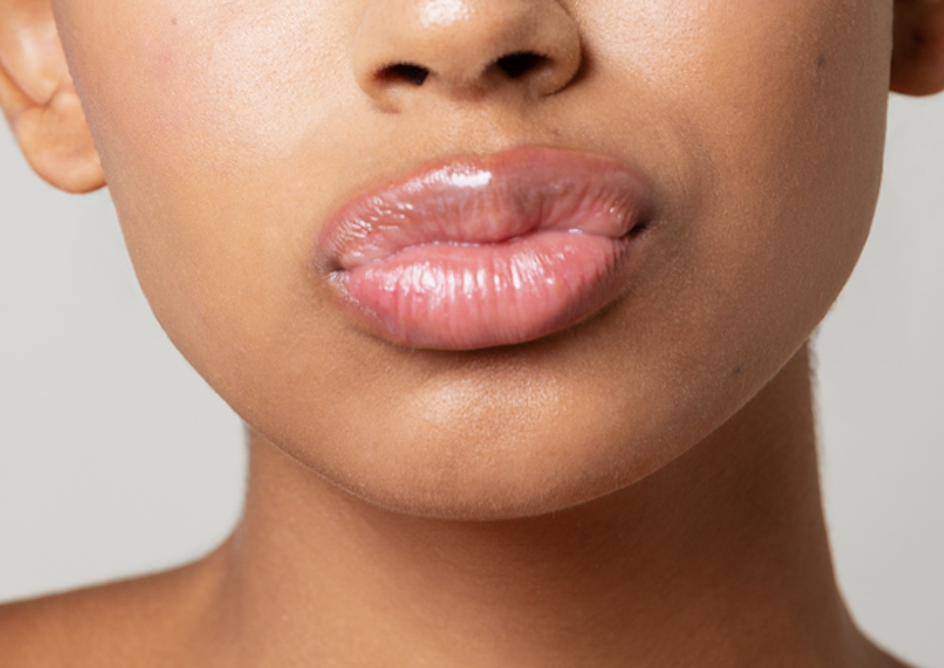

Can You *Really* Use Retinol Around Your Eyes? We Ask The Experts
Main image – Dianevilladsen/Stockst
Retinol. A powerhouse ingredient for anti-ageing, adding radiance, delivering essential hydration and even preventing clogged pores.
But is it so powerful that you should actually avoid applying it to the most delicate part of the face altogether – your eye area? Is the rumour about retinol causing long-term damage to your eyes true? And what about retinol eye creams – are they safe?
Don’t panic. All the answers to these concerns – and more – have been answered here by dermatologist Dr Hannah Kopelman and optometrist Dr Meenal Agarwal. By the end of this article you will know how to properly apply retinol (and where) to keep your eye area out of harm’s way.
Is retinol actually safe to use around your eyes?
Dr Agarwal says that the debate around using retinol around the eyes is as a result of the area being more delicate. “The skin around the eyes is thinner and more sensitive than the rest of the face, which makes it more vulnerable to irritation,” she explains.
“However, claims that retinol can cause ‘permanent eye problems’ are overstated and typically arise from misuse or misunderstanding of how retinol works.” Phew!
Dr Kopelman agrees. ‘As someone who treats skin daily, I can confidently say that retinol is safe for the eye area when used properly,” she says. “The delicate skin around the eyes is more prone to irritation so I always recommend caution, but the claims of permanent eye problems are largely anecdotal.”
So what sort of irritation can occur around the eyes as a result of not using retinol correctly? “If applied in high concentration, irritation can present as redness, burning or peeling of the skin around the eyes,” Dr Agarwal warns. “These usually resolve when you stop using the product.”

Image – Alexeykuzma/Stocksy
What about with prolonged use? “Especially in high concentrations, [this] may cause thinning which can lead to increased fragility of the skin, making it more prone to bruising or irritation,” she adds. “This effect is typically reversible once use is reduced or discontinued.”
And don’t forget your sun protection. “Retinol increases skin’s sensitivity to UV rays, and the skin around the eyes is particularly susceptible,” says Dr Agarwal.
“Without adequate sun protection, this increased sensitivity could lead to hyperpigmentation or premature aging, though these effects are not necessarily ‘permanent’ and can be mitigated with proper sunscreen use.”
How close to your eyes is it safe to apply retinol?
Dr Kopelman says as close as the orbital bone, “which is the bony area that surrounds your eye,” she explains.
“I recommend applying it to the under-eye area and around the outer corners but avoid getting too close to the tear ducts or on the eyelid itself.”
What about retinol eye creams?
Neither Dr Agarwal nor Dr Kopelman are opposed to retinol eye creams, but they do advise using them wisely.
“As long as you follow the correct usage guidelines, such as starting with lower concentrations, applying sparingly and using sunscreen, you can safely incorporate retinol into your eye care routine without significant long-term harm, to help with wrinkles, sun damage and improve skin radiance,” Dr Agarwal advises.
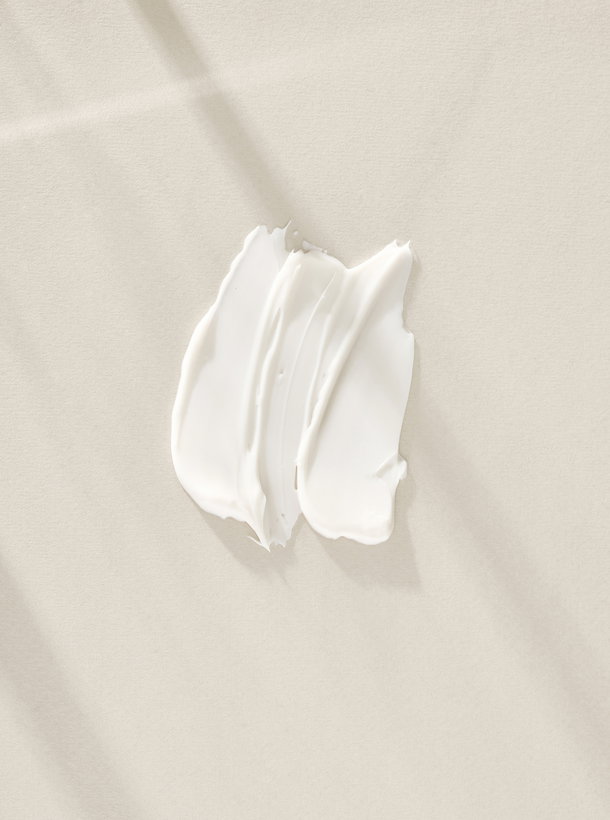
Image – Ohlamourstudio/Stocksy
“Eye creams or serums with retinol that are specifically for the eye area will often have a lower concentration of retinol or be formulated with soothing ingredients [like peptides, caffeine and antioxidants]. These formulations are designed to have a slower release and be more hydrating so are less likely to irritate the skin,” she says.
And what percentage should you start with? “Use a lower concentration of retinol (like 0.25% or 0.5%) and apply it only a few times a week to see how your skin responds,” advises Dr Agarwal.
How to apply your eye products for best results
“I always tell my patients to start small,” Dr Kopelman continues. “Use a pea-sized amount for both eyes and apply it gently with your ring finger. Always avoid applying too close to the lash line. Retinol can migrate so less is definitely more here.”
“Lastly, the most important yet most underrated thing is to hydrate and protect the area by ensuring you use a good moisturiser and always wear sunscreen to protect the skin from UV damage as retinol can increase sun sensitivity,” adds Dr Agarwal.
The takeaway
So, retinol – particularly in an eye cream formulation – is safe to apply around your eye area as long as you follow the rules: Use a low concentration and a pea sized amount, start off by applying it gradually to build up tolerance, don’t apply it on your eyelids or near your lash lines or tear ducts, and wear SPF daily.
Retinol might be a brilliant ingredient for reducing the signs of ageing, but it’s super powerful and should be approached with caution. Remember to always keep your eye area well hydrated and if you notice any irritation or burning after applying retinol, then stop using it completely.
Meet the experts
Dr Hannah Kopelman is a dermatologist at Kopelman Hair Restoration.
Dr. Meenal Agarwal is an award-winning optometrist and distinguished entrepreneur (featured in Time Magazine, Forbes and NewsTalk 1010). With three clinics and sought-after experience, Dr. Agarwal is an expert in the field of eyecare and a leading voice on eye health.


Get Glowing!