Do You Really Need to Try Slugging? Here’s the Honest Answer (Based on Your Skin Type)
Main image – Anna/Adobe
Let’s face it, slugging is a pretty ugly-sounding phrase, particularly when it comes to skin. Whilst you may have heard about it on the TikTok grapevine, you might ask, what exactly is it? Well, since we’re here for your every skincare need, you’re about to find out.
Whilst the sound of slugging doesn’t exactly scream luxury, it could actually be a surprising way to achieve amazing skin.
With expert tips from dermatologist Dr Hannah Kopelman, here’s what it actually does for the skin, how to do it properly, the potential downfalls, and most importantly, whether it actually works.
What is slugging in skincare?
Thankfully, it’s not as gross as it sounds and doesn’t involve actual slugs. “Slugging is a skincare technique where you apply a thick layer of an occlusive agent, typically petroleum jelly, over your face as the last step in your nighttime routine,” explains Dr Kopelman.
“The idea is to create a protective barrier that locks in moisture and enhances the benefits of your other skincare products. Essentially, it’s a way to give your skin an extra boost of hydration while you sleep.”
@aamnaadel Slugging explained ? #dermatologist #dermatologydoctor #skincareroutine #skintok #skincare #skincaretips #learnontiktok #slugging #sluggingmethod #sluggingwithvaseline #foryou #fyp #fyp?
How is it beneficial for the skin?
Think of it as a moisture sealant. “Slugging works wonders for keeping your skin hydrated,” Dr Kopelman says. “By sealing in moisture, it prevents trans-epidermal water loss (TEWL), which is crucial for maintaining a healthy skin barrier.”
Unsurprisingly, this can be particularly beneficial for dry skin types. “The occlusive layer also helps to maximize the absorption of any serums or treatments you’ve applied underneath, making them even more effective.”
Does slugging *actually* work?
Ok, let’s get down to business. It sounds pretty game-changing but is it just yet another TikTok gimmick? Dr Kopelman thinks not. “Personally, I’ve seen patients wake up with noticeably softer and more supple skin after trying slugging,” she says. “They have reported significant improvements in their skin’s hydration and texture.”
She adds that if you think about it, the method actually makes a lot of sense.
“The science behind it is sound – by creating a barrier that locks in moisture, you’re giving your skin the best chance to repair and rejuvenate overnight. Of course, like any skincare technique, it works best when tailored to your specific skin type and concerns,” she says.
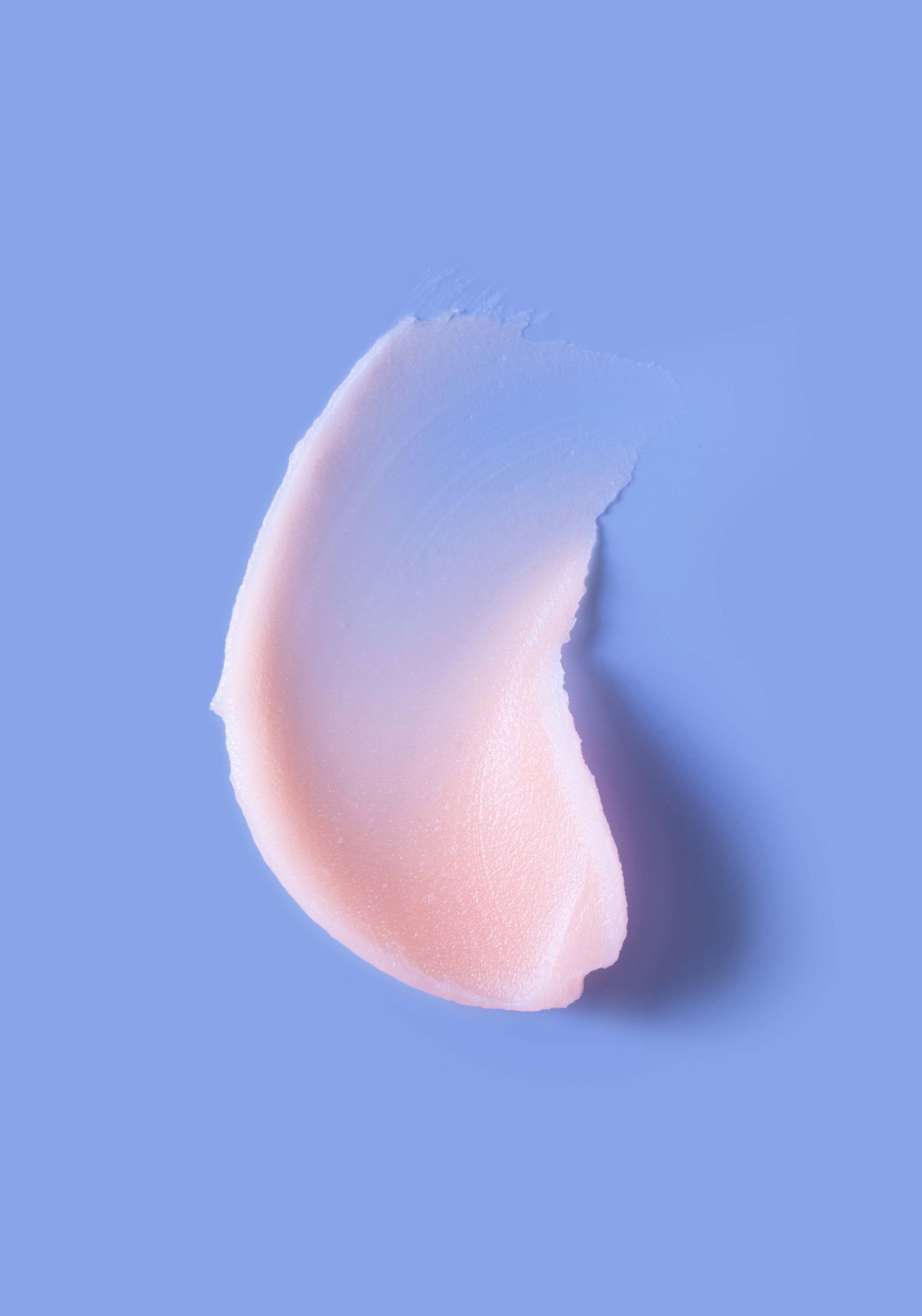
Image – tatyanarow/Adobe
How do you do it successfully?
“Start with a clean face,” says Dr Kopelman. “Make sure to remove all makeup, dirt, and oil. Apply your regular nighttime skincare products, such as hydrating serums and moisturizers.
Once those products have had a chance to absorb, apply a thin layer of an occlusive agent like petroleum jelly over your entire face. Leave it on overnight. In the morning, cleanse your face as usual to remove any residue.”
And remember, to take it easy with how much occlusive you apply. “You don’t need to slather on a huge amount to see the benefits.”
What are the risks of slugging?
Like with any social media trend, there are always going to be a few downfalls. “While slugging can be a game-changer for many, it’s not for everyone,” warns Dr Kopelman. “If you have oily or acne-prone skin, you might want to skip this step, as the occlusive layer can trap excess oil and potentially lead to breakouts.”
Very sensitive skin types should listen up too. “Similarly, if you suffer from conditions like rosacea or perioral dermatitis, it’s best to consult with a dermatologist before trying slugging, as it might aggravate your condition. Pregnant or breastfeeding women should also check with their healthcare provider to ensure that all the products they’re using are safe.”

Image – Anna/Adobe
The takeaway
So, slugging! Now there’s a strange technical term. But according to the experts, it could actually do wonders for locking moisture into the skin while you sleep.
I can’t help but feel a little disturbed by how greasy my pillow would get if I had petroleum jelly all over my face at night and how often I’d need to wash my hair as a result. But I can see the benefits, particularly for those with dry skin needing a hydrating boost and a bit of a plump.
If you’re going to try it, remember a little occlusive goes a long way so you shouldn’t need to use too much. Apply it to clean skin after your other products have absorbed and if you have acne-prone or sensitive skin, consult a professional before you give it a go.
Meet the expert
Dr Hannah Kopelman has completed two clinical fellowships in dermatology – hair loss from Columbia University and skin cancer from Boston University. She is currently a hair surgeon at Kopelman Hair where she works along side her father and brother who are both hair transplant surgeons. She specializes in dermatology, skincare, and hair loss.
She is also active on Youtube, Instagram, Tiktok and has a weekly dermatology podcast called Derm Club where she has interviewed some of the leading dermatologists and skin experts across the globe.