
Tweens Want the Skincare They See on TikTok – Derms Want Them Using Something Simpler
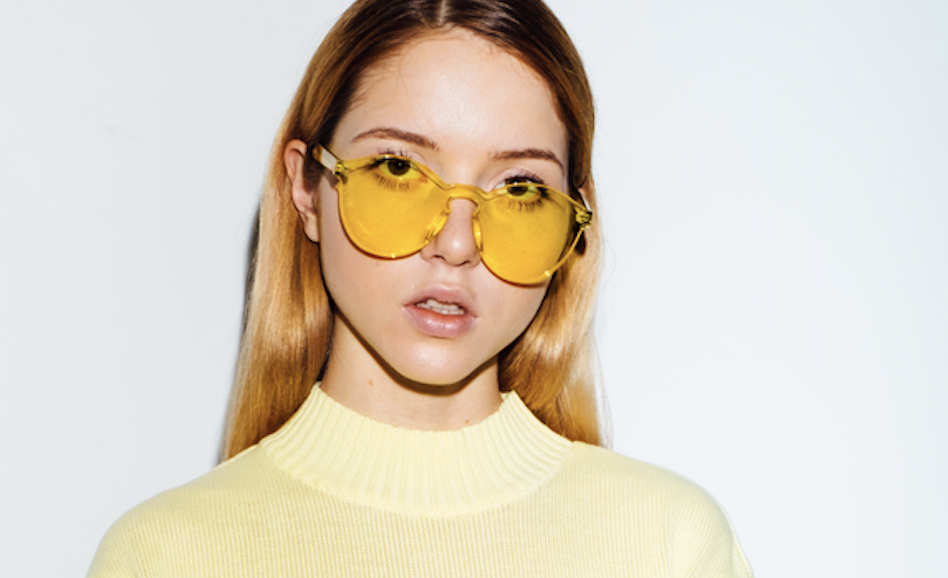
Main image – Adolfo Felix
If you’re a parent to a tween, the sibling of one or, most importantly, are one yourself you’ll know that skincare for tweens continues to be one of the biggest beauty trends.
Thanks primarily to platforms like TikTok and YouTube, children aged between 8 and 13 are now being exposed to the concept of introducing skincare into their routines more than ever.
I get it, watching your favourite influencers and celebrities apply countless skincare products online or seeing images of flawless, glowy skin in-store is pretty enticing, particularly for those at an impressionable age. I myself am entering into the tween phase with my daughter and I know that any day now she will ask when we can take our first trip to Sephora together. (*fills up calendar with wholesome, educational days out*)
But where should parents and tweens draw the line when it comes to skincare? Because, whilst I hate to burst any tween bubbles, there is a difference between practising harmless fun and using products that aren’t actually safe for young skin.
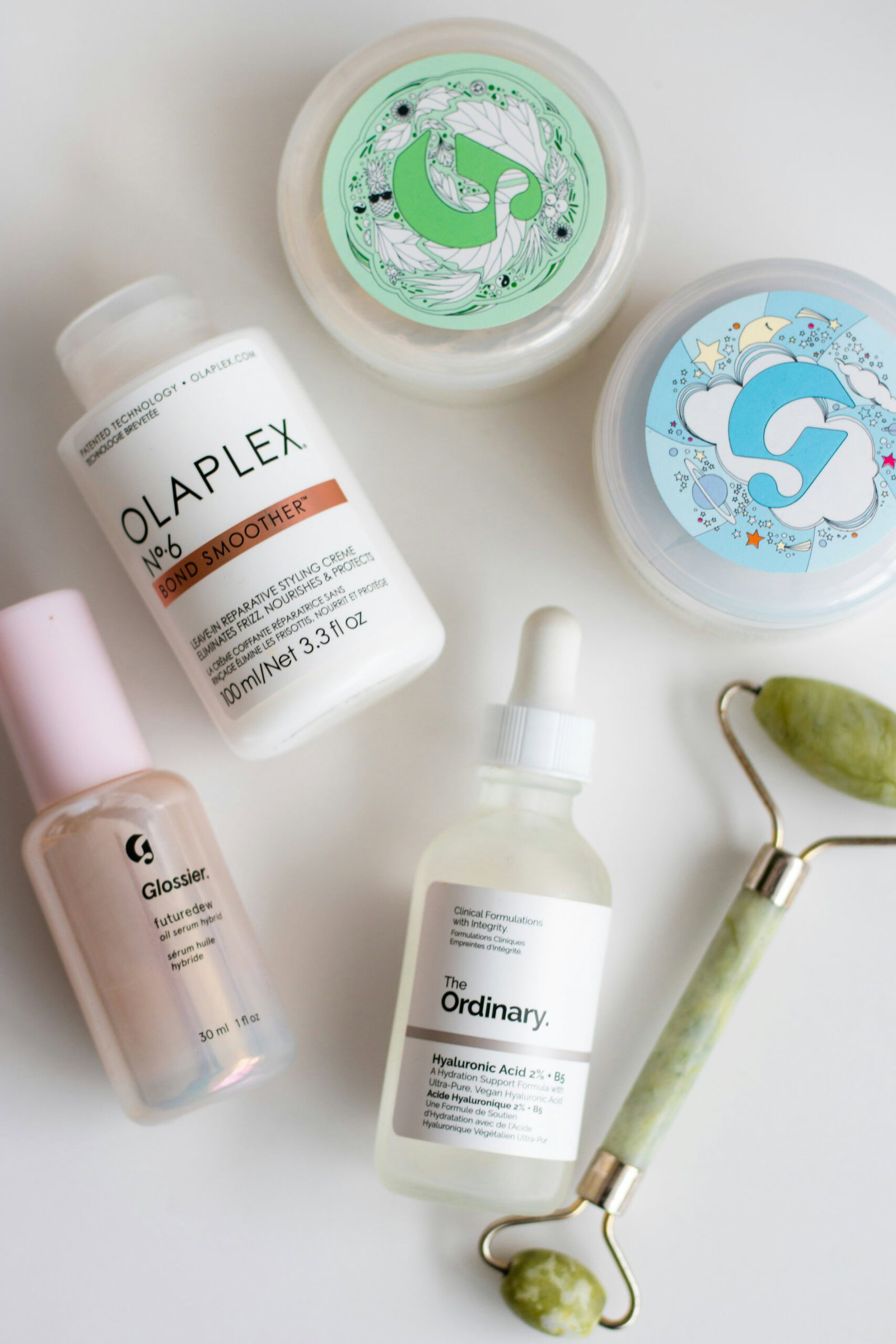
Image – Shayna Douglas
Here, I asked dermatologists Dr Anna Andrienko and Dr Shamsa Kanwal to tell us once and for all which skincare products children actually need (spoiler alert: not very much!) as well as which ingredients they should be avoiding.
And, crucially for us parents/siblings/friends of tweens, how we can focus on encouraging the benefits of skincare, without being the bad guys.
What a dermatologist-approved tween routine actually looks like
While a child may have been easily influenced online into believing that an anti-aging, acid and retinol-heavy routine is the right skincare route to go down (sigh), the experts disagree. “For most children under 13, healthy skin does not require an elaborate routine,” explains Dr Andrienko.
“At this age, the skin barrier is still developing and is often more sensitive than adult skin.” So what sort of routine does she advise? “I usually recommend a gentle cleanser once or twice a day, followed by a simple fragrance-free moisturiser if needed, and a broad-spectrum SPF 30 or higher every morning” she says.
“The goal should be to protect and maintain healthy skin rather than trying to treat concerns they do not yet have. Many of the multi-step routines promoted on social media are unnecessary and can actually do more harm than good.”
An ideal cleanser for tweens would be the Bare la Terre Bubble Bare Cleanser (£22) which is gentle enough to use twice a day and contains age-appropriate skin protectors like niacinamide and provitamin B5. For a fragrance-free moisturiser, Bubble Skincare’s Slam Dunk Hydrating Moisturiser (£14 in the UK and $16 in the US) is the perfect choice as it contains gentle ingredients like aloe leaf juice and hoya lacunose flower extract to hydrate the skin.
 The Indu Everyday Hero SPF 50+ (£25 in the UK and $34 in the US) is super lightweight so shouldn’t clog pores, and it doesn’t leave an annoying white cast either. Want something tinted? Glow Hub’s Defend Yourself Facial Sunscreen SPF 30 Tinted (£14 in the UK and $21 in the US) comes in 7 shades and is easy to reapply.
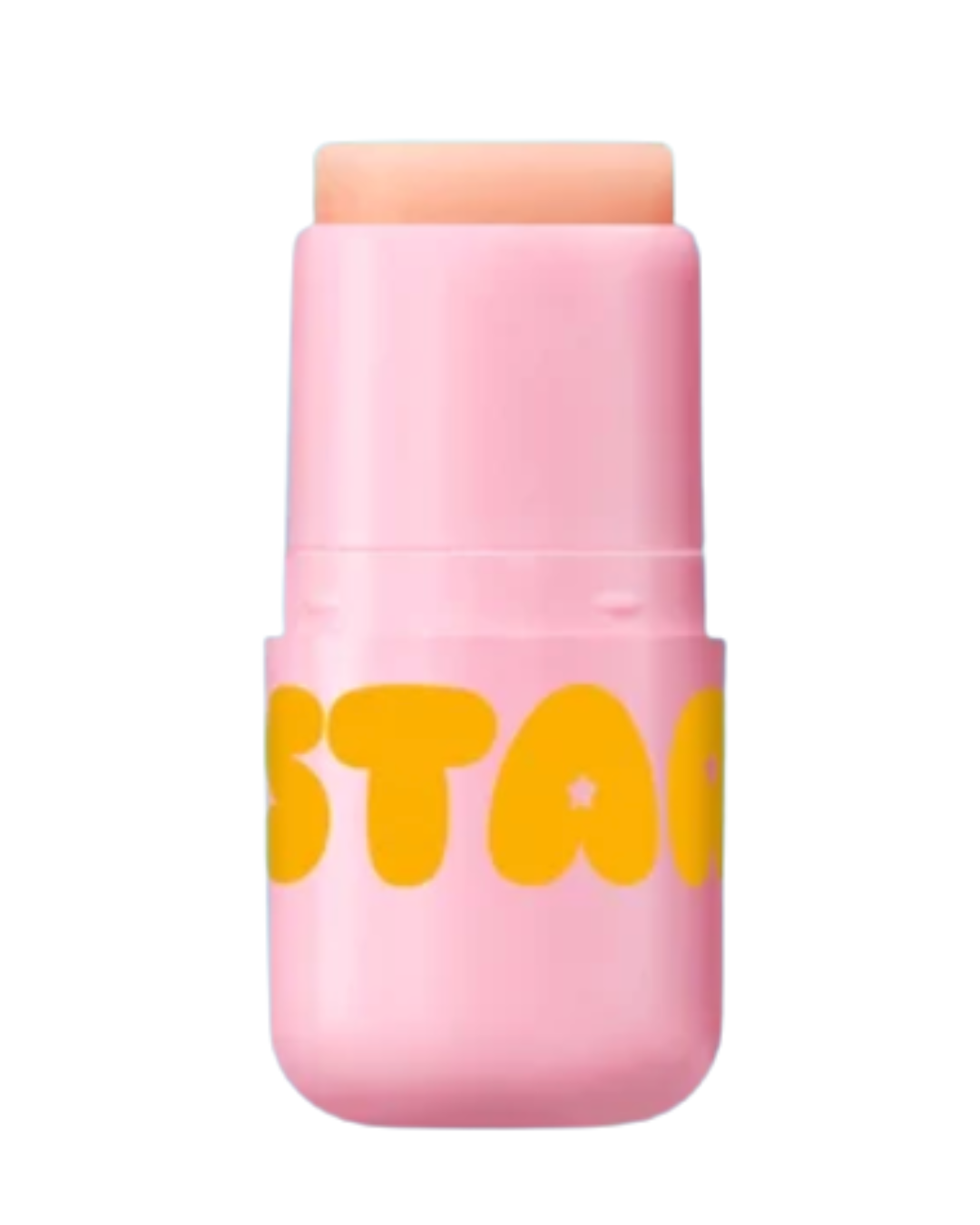
And if you’re looking for a safe, gentle, affordable-yet-cool lip balm, Starface do a big selection of super fun ones (each etched with a smiley face when you first open the lid). My favourite bundle is the limited edition Sugar Rush Bundle (£17.97 in the UK and $20.97 in the US) which includes three balms flavours – Super Grape, Perfectly Peachy (our favourite in the LTG office) and Bubblegum Bliss, all soothing, hydrating and long-lasting.
Ingredients children should avoid
So now you’ve pretty much got your routine sorted (you’re welcome), keep in mind the ingredients you should steer clear from in case you decide to switch up your products in the future. “I would usually avoid anti-aging products such as retinol, strong exfoliating acids, high-strength Vitamin C, harsh scrubs, peel pads, and heavily fragranced masks,” warns Dr Kanwal.
“These ingredients are often unnecessary for young skin and can cause irritation, redness, peeling, or a weakened skin barrier.”
Dr Andrienko agrees. “Retinoids, high strength exfoliating acids including glycolic acid and salicylic acid, and frequent use of chemical exfoliants can disrupt the skin barrier, leading to irritation, redness and increased sensitivity,” she says. “Children should also avoid heavily fragranced products and unnecessary layering of multiple active ingredients, as this significantly increases the risk of irritation without offering meaningful benefits.”
And as much as tweens want to feel grown up, they shouldn’t be practising grown up skincare. “I also discourage copying adult routines from social media without considering whether the products are appropriate for a child’s skin,” adds Dr Kanwal.
Ingredients that can actually be beneficial
According to Dr Andrienko, simplicity is key. “Gentle, hydrating ingredients such as glycerin, ceramides and hyaluronic acid can help support the skin barrier if the skin feels dry,” she explains.
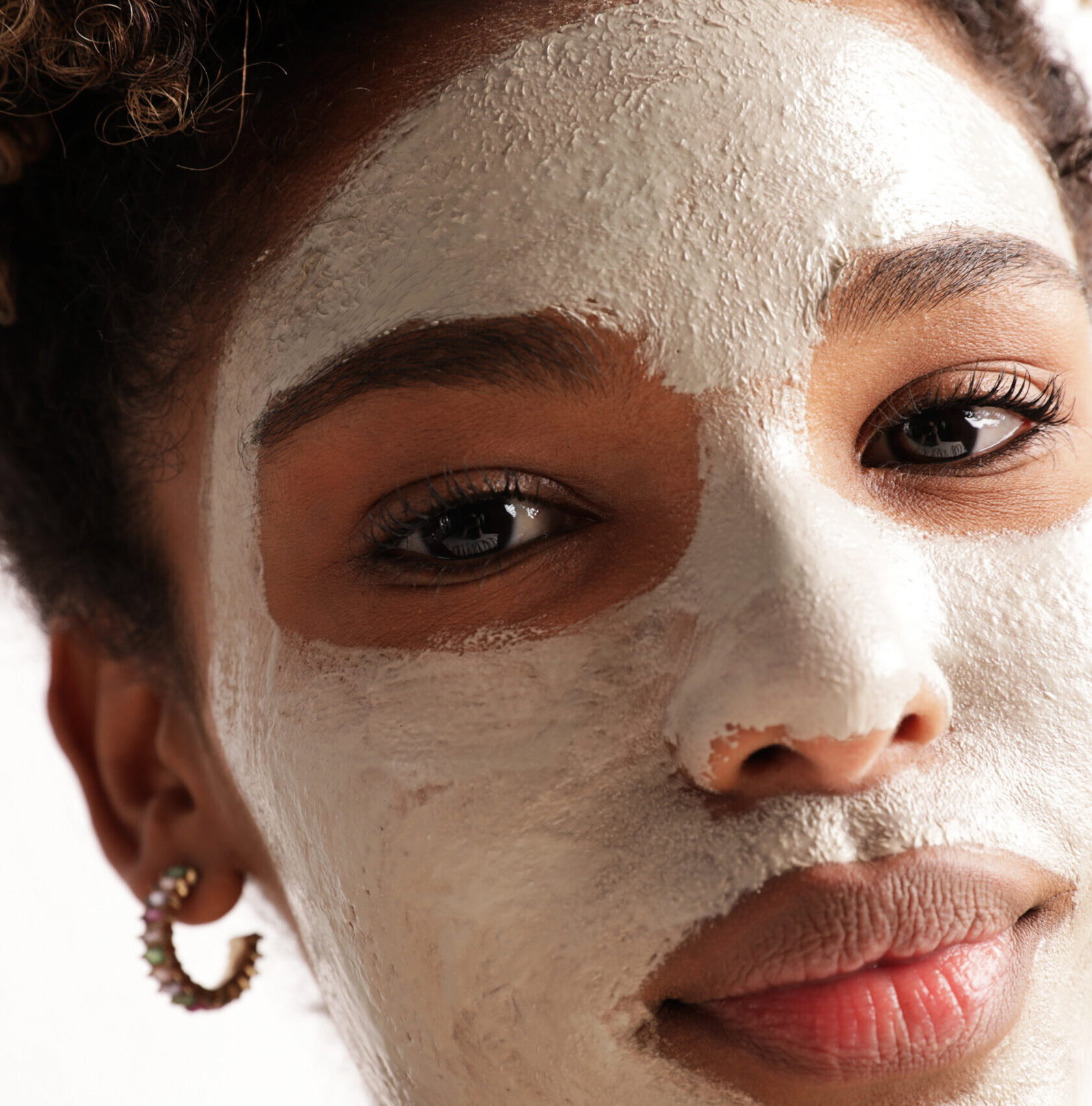
Image – face_reader_img
“Sunscreen is the most beneficial skincare product to introduce early, as protecting the skin from UV damage is one of the best long-term investments in skin health.” And what if you have acne? “Targeted products may be appropriate, but these should ideally be introduced under the guidance of a dermatologist rather than following trends seen online,” she says.
The biggest mistakes tweens and parents can make
Problem number one – using active ingredients too soon. “Children may develop irritation and then assume they need even more products to fix it, which can create a cycle of redness and sensitivity,” Dr Kanwal warns.
Problem number two – copying social media, even though the treatment doesn’t fit the age. “The biggest mistake I see is treating healthy young skin as though it needs anti-ageing products or complicated routines simply because they are popular on social media,” Dr Andrienko says. “There is often a misconception that more products mean healthier skin, when in reality the opposite is usually true.”
So what should parents do? “I encourage them to focus on teaching children the basics of good skincare by keeping the routine simple, protecting their skin from the sun and seeking professional advice if genuine skin concerns such as eczema or acne develop, rather than relying on viral skincare trends.” Noted.
The takeaway
The irony is that tweens looking for the flawless, glowy skin they see online probably already have it and they are doing their skin far more harm than good by piling on more products than they actually need. I am officially here to say that at the tween stage, skincare really doesn’t have to be complicated and, trust me, this is great news for both your busy social life and your bank balance.
Don’t spend your time and money on TikTok routines just because they are trending. Choose what is appropriate for your skin – protecting the skin barrier and using daily SPF – and enjoy healthier, happier skin as a result.
Meet the experts
Dr Anna Andrienko is dermatologist and aesthetic doctor at Ducu Clinics
Shamsa Kanwal is a board-certified dermatologist