
You Asked What to Do if Your Niacinamide Stings – Here’s What You Need to Know
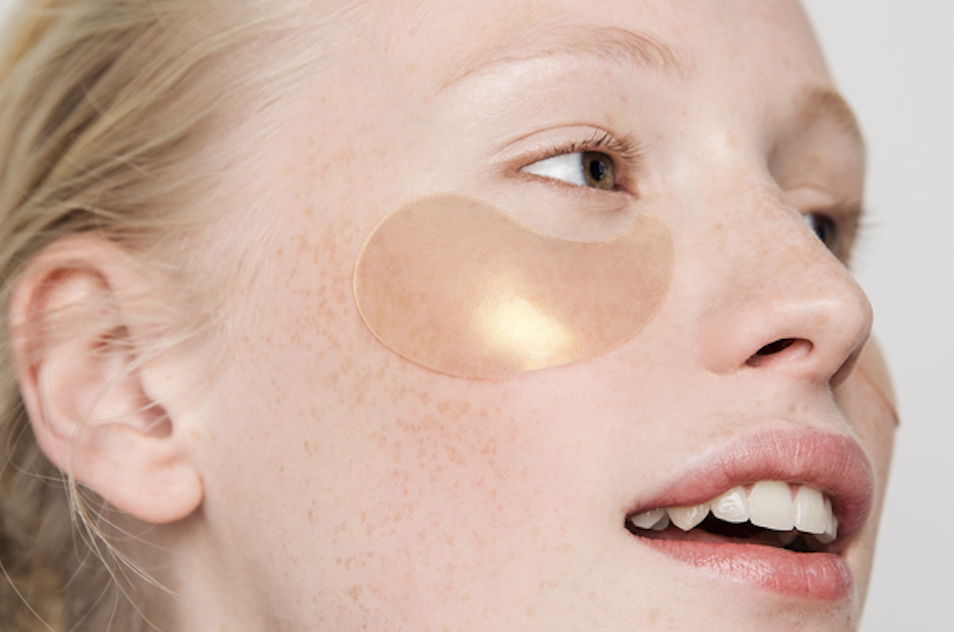
Main image – Katarinaradovic/Stocksy
Jordan Samuel Pacitti is an aesthetician, skincare founder and regular Live That Glow columnist. He is a go-to source of beauty advice for skincare fans across the world. Here, he advises a reader on how to balance moisture in combination skin. Got a question for Jordan? Send it to columnists@livethatglow.com for a chance to have it featured.
Is it normal for niacinamide to make your skin sting a bit?? Everyone says it’s ‘gentle’ but my face goes red for like 10 mins after I apply it and idk if I should stop.
Jordan says:
Niacinamide is an amazing ingredient in skincare. As a form of vitamin B3, it’s a great antioxidant for the skin and can also help to balance oil, even tone and help with redness. Something that I always have to remind clients, however, is that anyone can be reactive to anything in terms of skincare.
Even when an ingredient is meant to help the barrier, soothe the skin, calm redness in certain skin tones, etc., it can still present issues for certain individuals, as we are all unique and not every ingredient is meant for everyone.
One thing to pay attention to when incorporating a potentially sensitising ingredient into your routine is its concentration in the formula. For instance, I personally can’t tolerate niacinamide when used at higher percentages, but I am totally fine when the percentage is slightly lower. Most (not all) people can tolerate niacinamide when it’s between 2%-5% in formulas; however, there are certain products on the market with 10%-20% niacinamide.
I find that I get the purported benefits on niacinamide in formulas utilising those lower percentages while those using 10-20% sting and irritate my skin. Now again, that doesn’t mean everyone will or will not get on with an ingredient at a certain percentage threshold; however, it is something to keep in mind when you go through the trial-and-error process.
We truly can react to anything. So, there will be certain ingredients that sound like miracles that just don’t work for you, and that is ok. There are many other options out there. It is also true that we don’t always need to go for the higher percentage. So maybe your skin can get on with something, but it just tolerates it at a lower strength.
If, even at lower concentrations, you are still experiencing redness and stinging, I would say that is a sign to discontinue use and find something that is better suited for your skin. As always, utilising a process of trial-and-error and checking in with your skin will be the best method to help you glow.
Jordan Samuel Pacitti
Founder & CEO, Jordan Samuel Skin


Get Glowing!