
7 Top Cosmetic Packaging Trends for 2027: From Refillable Lipsticks to Smart Skincare
Main image – Laura Chouette
We’re becoming an increasingly discerning bunch when it comes to our beauty products – from scrutinising skincare ingredients to expecting more from the formulas themselves, what we buy matters.
But what about the packaging? Because, like it or not, clever marketing can mean a beautifully presented moisturiser or lipstick wins us over before we’ve even had the chance to try it.
And with 2027 fast approaching, the beauty packaging world is having something of a rethink. From refillable jars to clever digital labels, brands are finding new ways to keep up with what we actually want from our beauty products.
According to Mintel, almost half of consumers bought a refill pack in 2024, while 40% purchased a refillable beauty or personal care product. So, what else is changing?
These seven packaging trends for 2027 offer a glimpse into how beauty brands will be responding to evolving regulations and our increasingly savvy shopping habits.
1. Refillable beauty packaging is becoming the new normal
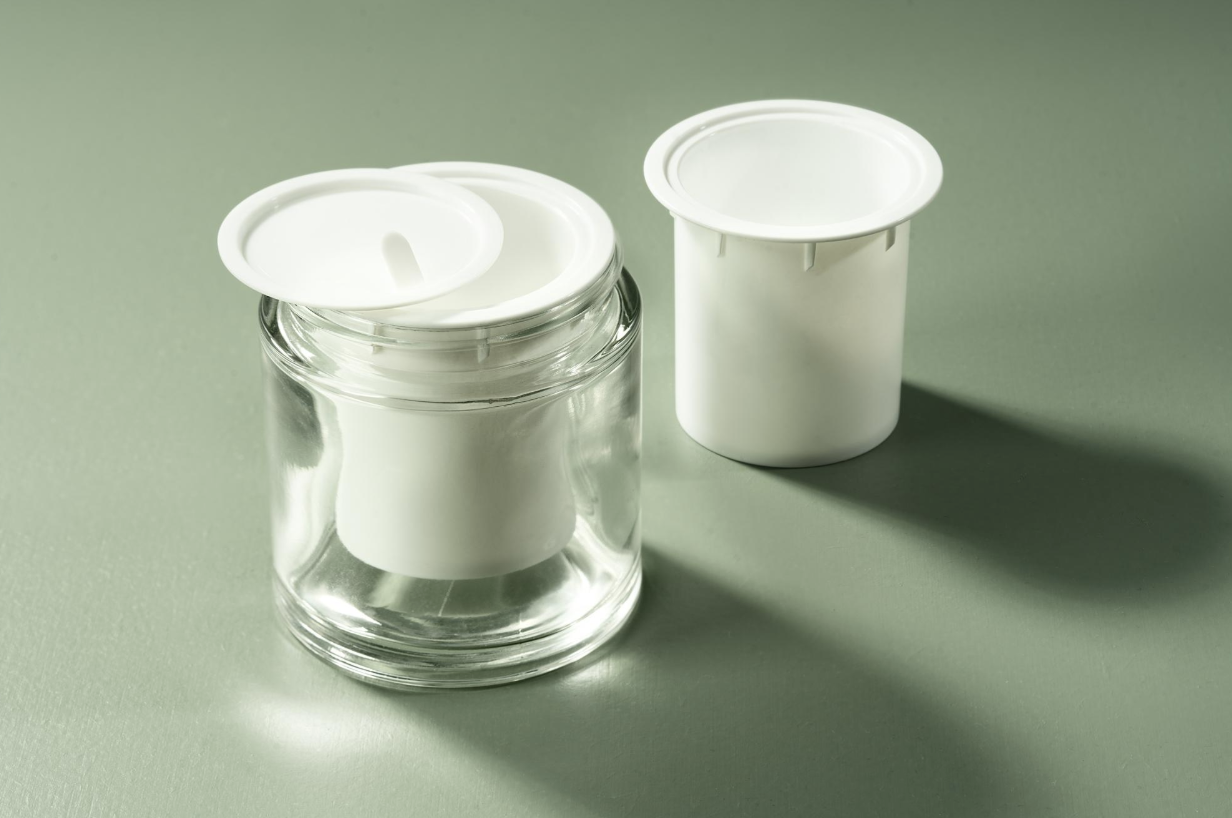
There’s something rather appealing about buying a beautiful moisturiser jar or lipstick case and not having to throw it away once the product runs out. And that’s obviously the idea behind refillable packaging: instead of starting from scratch with every purchase, we can simply replace what’s inside. And, importantly, it can mean less packaging waste, too.
For skincare brands, that might mean moisturiser jars with removable inner pots. The catch? Refilling needs to be just as easy and hygienic as using the original product, otherwise much of the appeal is lost.
So, what’s behind the growing popularity of refillable packaging? A few things stand out:
- Removable inner containers: Rather than replacing the whole jar, we can simply swap out the empty insert.
- Refillable lipstick cases: Keep the beautiful outer case, replace the lipstick and carry on as before.
- Easy refill systems: Secure lids and straightforward instructions help take the faff out of refilling.
- Reusable containers: Packaging designed to be kept and used again, rather than discarded after a single purchase.
In 2027, expect to see more beauty products combining sustainability with everyday convenience, rather than treating them as separate concerns. And when refills are genuinely easy to buy and use, there’s another advantage: we’re much more likely to keep coming back.
2. Sustainable beauty packaging is getting a rethink
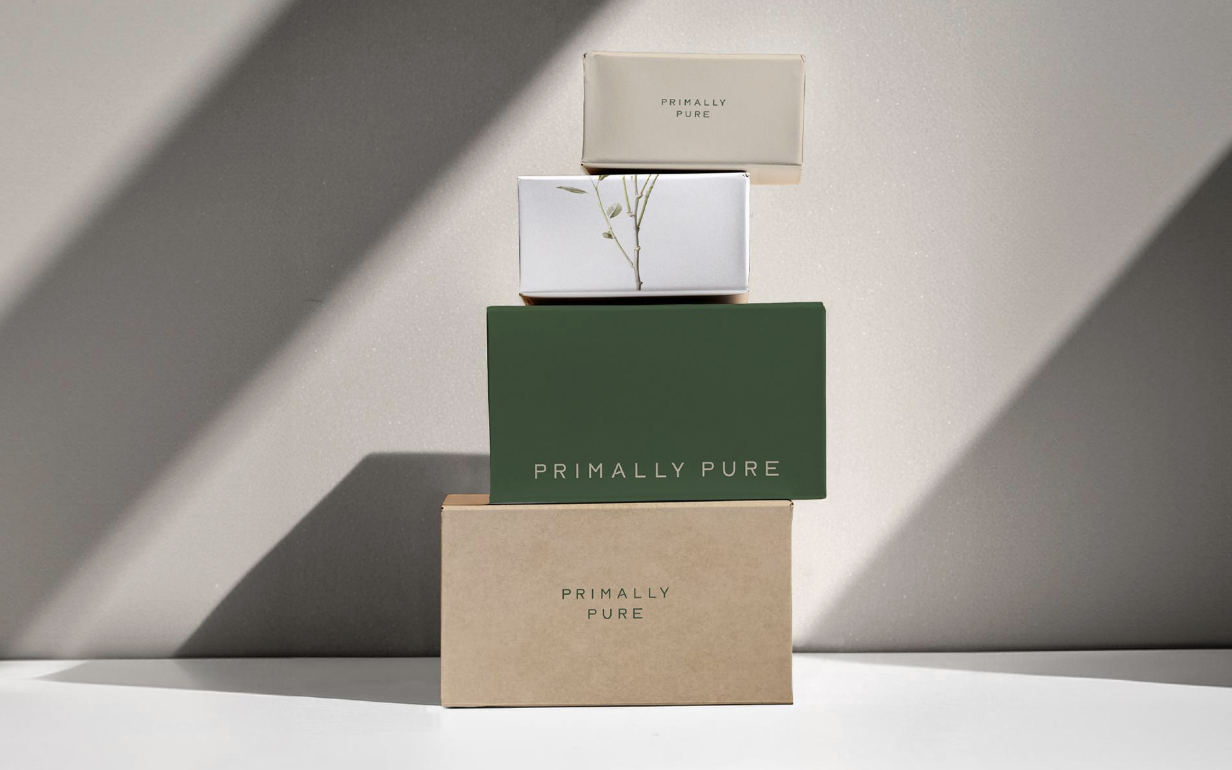
It’s not just what’s inside our beauty products that’s coming under closer scrutiny. We’re also paying more attention to what the packaging is made from, and what happens to it once we’ve finished with it. For brands, that means looking beyond conventional plastics and considering alternatives such as recycled paperboard and recyclable glass.
Paper-based outer boxes can give skincare products a beautifully pared-back appearance, too. But there’s an important distinction between packaging that looks sustainable and packaging that actually is. Before making environmental claims, brands need to consider the quality of their materials and whether they can realistically be recycled locally.
Some of the main options include:
- Recycled paperboard: A useful choice for skincare cartons and outer boxes.
- Recyclable glass: A practical alternative for certain liquid beauty products.
- Responsibly sourced paper: A way for brands to be more thoughtful about where their packaging materials come from.
- Minimal paper packaging: Stripping away unnecessary decorative layers that add weight without adding much value.
As we move into 2027, expect to see more packaging that balances thoughtfully chosen materials with the practicalities of protecting our favourite products and making them easy to use.
3. Minimalist packaging proves less really can be more
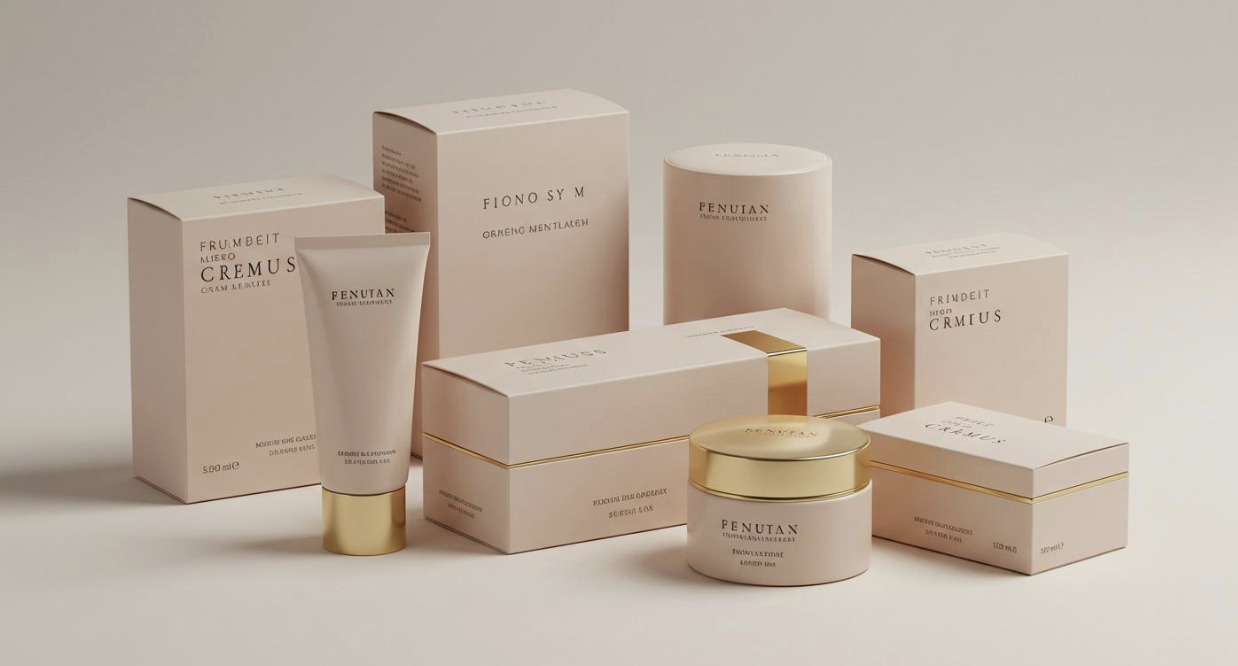
Sometimes the most striking beauty packaging is the kind that doesn’t try too hard. Minimalist design takes a less-is-more approach, swapping elaborate decoration for clean typography, subtle colours and a more considered overall look. And when it’s done well, it doesn’t just look lovely on our bathroom shelves.
It also makes product information easier to read and helps us recognise a brand at a glance. It’s an approach that feels particularly at home with skincare staples such as serums and moisturisers.
There’s a practical side to all this simplicity, too. Clear, uncluttered packaging makes it easier for us to spot the products we’re looking for and find the details we need. But minimalist certainly doesn’t have to mean a sea of white boxes and transparent bottles. A clever use of colour can have just as much impact without making the design feel busy.
Some of the hallmarks of minimalist packaging include:
- Simple typography: Clear, easy-to-read lettering that lets the product name do the talking.
- Neutral colours: Understated shades that create a calm, polished first impression.
- Clear labels: Making important product information easy to find, rather than something we have to hunt for.
- Simple decoration: Keeping the focus on the brand itself rather than unnecessary embellishments.
Looking towards 2027, expect minimalist packaging to remain a familiar sight on our beauty shelves, with more brands embracing simple, recognisable designs across their ranges.
4. Smart beauty packaging is getting even cleverer
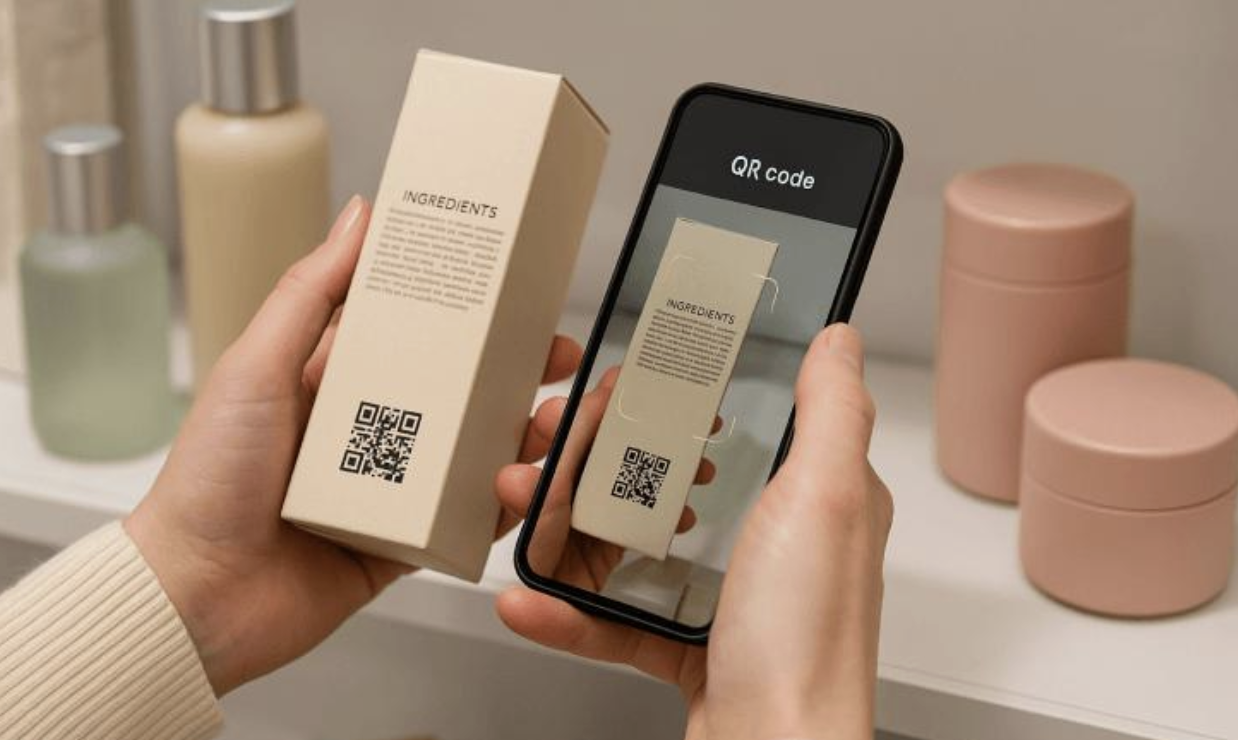
Beauty packaging is getting a little cleverer. Rather than relying entirely on what’s printed on the box, brands can now use digital tools to give us more information about the products we’re buying. QR codes and near-field communication (NFC), for example, can turn an ordinary package into a direct link to online content.
Imagine scanning a serum bottle to find its full ingredient list or answers to common skincare questions. Or picking up a makeup product and being able to access shade information or application tutorials straight from the packaging. It’s a simple idea, but one that could save us from trawling through several websites just to find what we need.
Some of the features making this possible include:
- QR codes: A quick route to tutorials, product details and additional information.
- NFC tags: Allow us to connect to digital content through compatible smartphones.
- Product authentication: Give us a way to check product details when making a purchase.
- Mobile-friendly content: Ensures information is easy to access and use on our phones.
By 2027, we could be seeing more beauty packaging that offers something extra alongside the product itself, making useful digital information part of the overall experience.
5. Personalised beauty packaging makes things feel a little more special
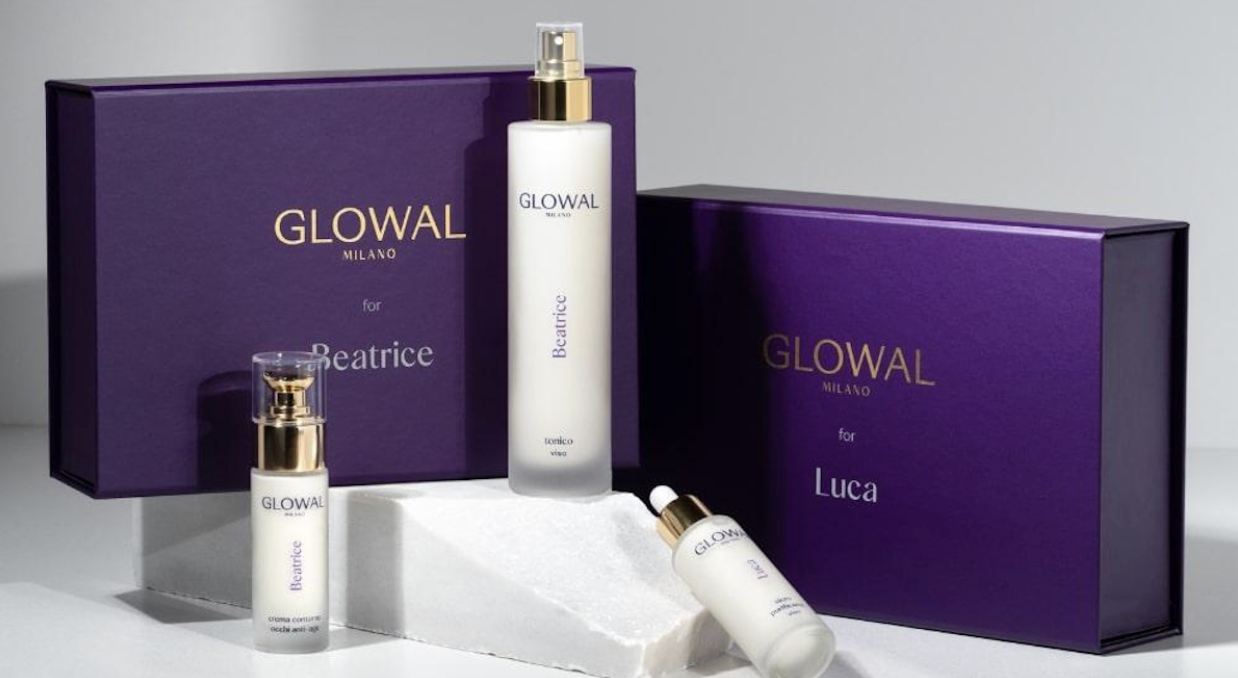
There’s something undeniably lovely about receiving a beauty product that feels as though it’s been made just for you. And that’s really the appeal of personalised packaging. Instead of giving us all exactly the same design, brands can introduce little details that reflect our individual tastes, special occasions or the reason behind a gift. It’s also why many are turning to custom cosmetic boxes to make their packaging feel more personal.
Think lipstick cases engraved with our names, or limited-edition skincare boxes featuring a special message. The same idea lends itself beautifully to fragrance gifts and holiday collections, where the presentation can feel almost as important as the product inside.
Some of the most popular ways to personalise beauty packaging include:
- Custom names: Adding our names or initials to lipstick cases for a more individual feel.
- Personal messages: Turning ordinary gift packaging into something a little more thoughtful.
- Limited-edition artwork: Giving seasonal collections their own distinctive look.
- Custom colours: Offering different shades and designs to reflect our personal preferences.
As we head into 2027, expect these thoughtful little details to become an increasingly familiar part of beauty gifting, making even an everyday purchase feel that bit more memorable.
6. Airless packaging is making our skincare routines easier
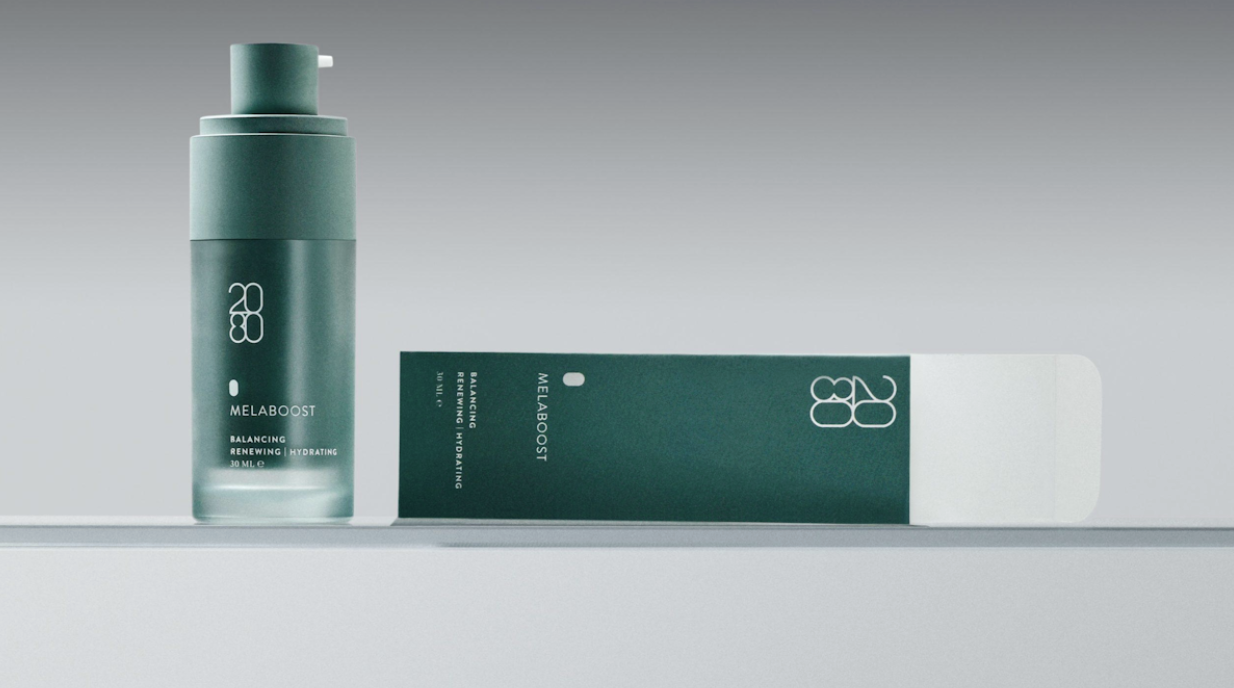
Not every packaging innovation is about making a product look prettier. Sometimes, it’s about making the formula easier to use. Certain skincare products benefit from more controlled dispensing, which is where airless packaging comes in. Typically using a pump mechanism that pushes the formula upwards while limiting contact with air, it’s a particularly useful option for serums and moisturisers. And there’s another practical bonus: no need to keep dipping our fingers into a pot of cream.
Airless pumps can also make one-handed application easier and help us dispense a more consistent amount of product each time. Of course, they’re not necessarily the right choice for every skincare formula, so compatibility is an important consideration.
Some of the main advantages include:
- Controlled dispensing: Helps deliver a measured amount of product, rather than more than we intended.
- Minimal air contact: Limits the formula’s exposure to air during everyday use.
- Improved hygiene: Less need to put our fingers directly into the product.
- Simple maintenance: Makes our daily skincare routines that little bit more straightforward.
With convenience and controlled dispensing becoming increasingly important, airless packaging looks set to remain a familiar feature of our serums and moisturisers in 2027.
7. Tactile finishes are bringing a little luxury to beauty packaging
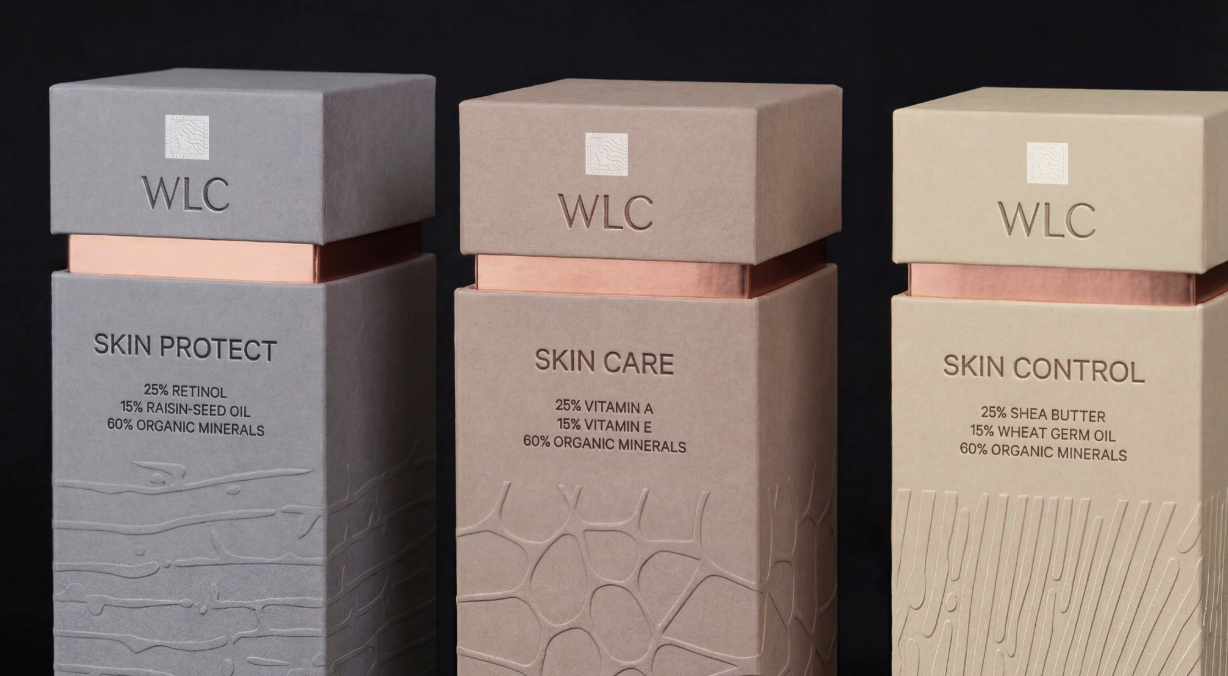
We all know how much appearances matter when it comes to beauty packaging. But the way a product feels can be just as much a part of its appeal. Think of the smooth finish of a matte box or the subtle raised lettering on a beautifully embossed logo. These little details can make even simple packaging feel more distinctive.
Metallic accents created through foil stamping can bring a more luxurious feel to skincare and fragrance boxes, too. But as with any decorative addition, brands need to think beyond appearances. The finish should suit the product’s identity without unnecessarily compromising how easily the packaging can be recycled.
Some of the most common tactile finishes include:
- Matte coating: Gives packaging a smooth, understated finish.
- Embossing: Creates raised details that add texture and interest.
- Foil stamping: Uses metallic effects to draw attention to logos and other details.
- Textured surfaces: Introduce a distinctive feel that makes packaging more memorable.
Looking ahead to 2027, expect these carefully considered finishing touches to bring a little more personality to even the simplest beauty packaging.
What should beauty brands consider before choosing a packaging trend?
Of course, just because a packaging trend is having a moment doesn’t mean every beauty brand needs to jump on board. Before changing a design, it’s worth thinking about the product itself and, just as importantly, those of us who’ll actually be using it.
A few things are particularly worth considering:
- Product compatibility: The packaging needs to work with the formula and help keep it in good condition throughout its intended shelf life.
- Customer convenience: A beautiful container isn’t much use if we find it awkward to open or frustrating to use.
- Brand identity: Colours and finishes should feel like a natural extension of the brand’s personality.
- Materials: It’s worth checking exactly what the packaging is made from and whether local recycling facilities can handle it.
- Manufacturing costs: Even a lovely new design needs to make financial sense when production and shipping are taken into account.
The takeaway
If there’s one thing these trends have in common, it’s that beauty packaging is becoming as much about how a product works as how it looks. With 2027 almost here, we’re likely to see more brands rethinking both the appearance and practicality of their packaging. Refillable containers are a good example: they make life easier for us while giving us a reason to return when it’s time to stock up again.
But that doesn’t mean every brand needs to embrace every new idea. The best packaging choices are the ones that genuinely suit the product and offer something useful to those of us buying it. Get those things right, and packaging can do far more than make a good first impression. It can help build the kind of trust and loyalty that keeps us coming back.