
Why Comfort Dressing is not Going Anywhere
SPONSORED
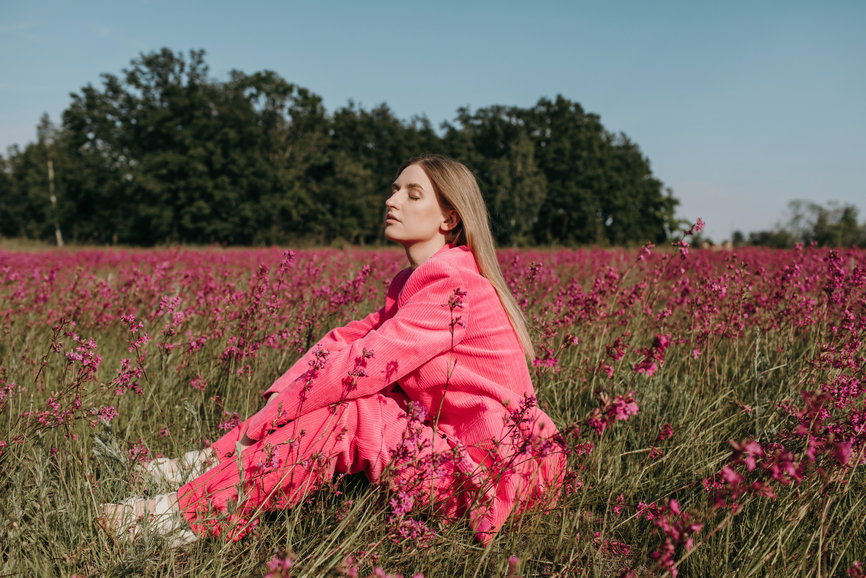
Main image – Alexeykuzma/Stocksy
For a few years it was fashionable to predict the death of comfort dressing. The loungewear boom, we were told, was a blip, a quirk of being stuck indoors that would vanish the moment everyone returned to offices and restaurants and the business of being seen. Tailoring would come roaring back, heels would return, and the elasticated waistband would be quietly retired.
It has not happened. If anything, comfort has won. The waistbands stayed soft, the trainers stayed on, and the entire idea of what counts as acceptable dressing shifted permanently. Far from a passing trend, comfort dressing has matured into one of the defining shifts in how people get dressed, and the reasons it has stuck are worth understanding.
Comfort stopped meaning scruffy
The early version of comfort dressing was, frankly, a bit of a surrender. Tracksuit bottoms and a hoodie said you had given up. What changed is that designers and brands worked out how to make comfortable clothes that look considered rather than defeated.
The modern comfort wardrobe is built on better fabrics and sharper cuts. A wide-leg trouser in heavy crepe is as easy to wear as joggers but reads as deliberate. A knitted polo, a relaxed blazer with no structure, a beautifully made T-shirt in proper cotton: these are clothes you could nap in that also work for lunch. The trick was separating comfort from sloppiness, and once that was solved there was no reason to go back.
The fabrics did the heavy lifting
Much of this revolution is really a story about textiles. Performance fabrics escaped the gym and crept into everyday clothes, bringing stretch, breathability and recovery to garments that look nothing like sportswear. Natural fibres were rethought too, with brushed cottons, washed linens and fine merino offering the kind of next-to-skin softness that used to be a luxury.
There is an interesting parallel here with how people now think about everything they put against their skin. The same instinct that makes someone reject a scratchy, stiff shirt also makes them fussier about their bedding, choosing the breathable, temperature-regulating feel of a well-made duvet over the sweaty polyester they grew up with. Comfort, once you have experienced the good version, is very hard to give up in any part of life.
Status moved towards ease
There is a deeper cultural shift underneath the fabric story. For most of the twentieth century, looking expensive meant looking constrained: stiff collars, tight tailoring, shoes you could not walk far in. Discomfort signalled that you did not need to do anything practical.
That has flipped. The new status signal is ease. The quietly wealthy now dress in soft, understated, beautifully made clothes that prioritise feel over flash. Logos are out, cashmere is in, and the most enviable wardrobes look like they would be perfectly comfortable on a long-haul flight. When ease becomes aspirational rather than lazy, comfort dressing stops being a compromise and becomes the goal.
It suits how we actually live
Comfort dressing also persists because it matches the way life is now structured. The hard line between work clothes and home clothes blurred when work itself moved partly into the home, and it has not fully re-formed. People move between a video call, the school run, a coffee with a friend and an evening out without necessarily changing outfit, and they want clothes that handle all of it.
This is the genius of the best comfort pieces: they are versatile. A good knit, a soft trouser and a clean trainer take you almost anywhere, dressed up with a coat or down with the same. In an era of less rigid social codes, that flexibility is genuinely useful rather than merely indulgent.
How to do it well
Doing comfort dressing properly is more about quality than quantity. A small number of excellent pieces beats a drawer of cheap loungewear that pills after three washes. Invest in the fabrics that touch the skin, pay attention to fit even when the silhouette is relaxed, and keep a coherent palette so everything works together.
Tailoring still has its place, but the modern version is softer: an unlined jacket, a trouser with a little give, a shirt cut for movement. The aim is to look pulled together without feeling braced, and the people who pull it off make it look effortless precisely because they are not uncomfortable.
The shift is permanent
Fashion always swings, and there will be seasons that flirt with stiffer, more formal looks. But the underlying change is structural, not cyclical. People have discovered that they can look good and feel good at the same time, and having tasted that, they are not going to volunteer for clothes that pinch and bind out of some misplaced sense of duty.
Comfort dressing was never really about laziness. It was about refusing the old idea that looking the part required suffering for it. That idea is gone, and the soft waistband, far from a relic of an unusual few years, turns out to be one of the few trends genuinely worth keeping.