
Do Peptides Actually Work for Wrinkles? What Peptides Do and How to Use Them
SPONSORED
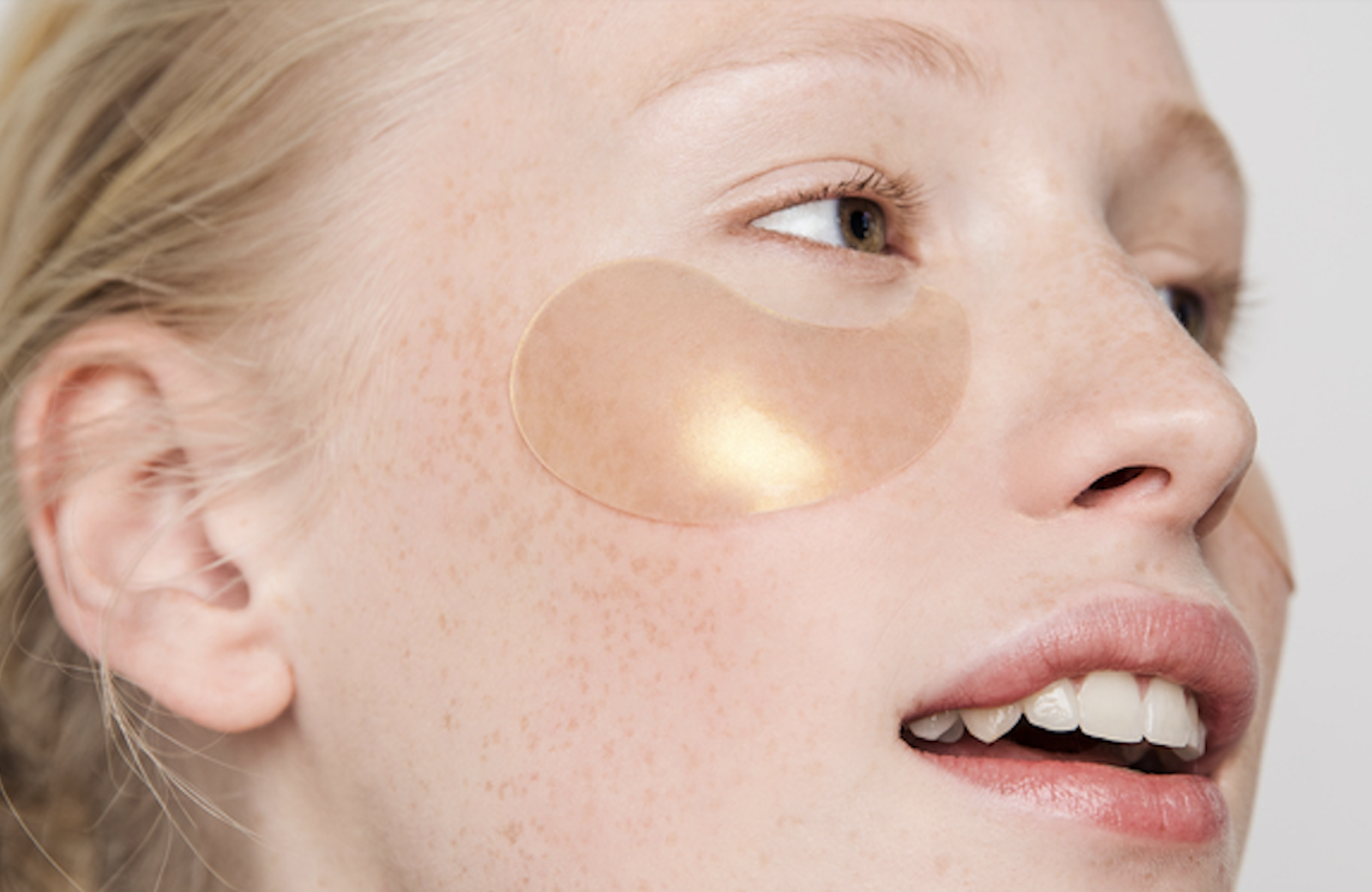
Main image – Ohlamourstudio/Stocksy
Peptides seem to be everywhere in skincare at the moment, popping up in everything from serums and eye creams to moisturisers. But if you’ve been wondering whether they’re actually worth making room for in your routine, here’s a straightforward guide to what they do, the results you can realistically expect and how best to use them.
What are peptides?
Put simply, peptides are short chains of amino acids, which are the building blocks of proteins found in our skin. In skincare, they’re commonly used in formulas designed to improve the appearance of fine lines, wrinkles and firmness. And because different peptides have different roles, you’ll often find several combined in the same product.
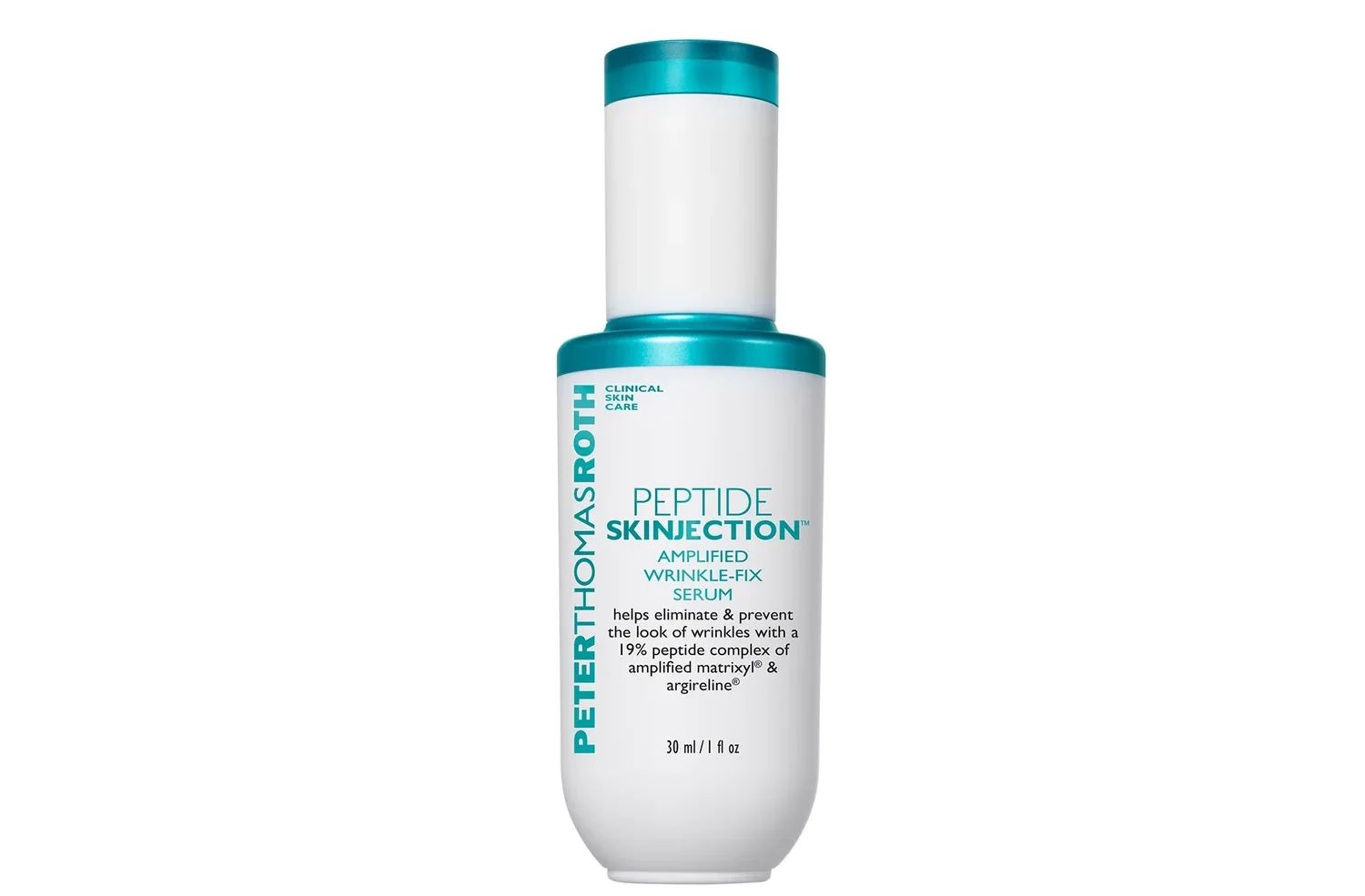
Two names you might recognise from ingredient lists are Matrixyl and Argireline. Matrixyl is actually a family of peptides frequently used in products targeting the appearance of fine lines and loss of firmness. Argireline, meanwhile, is often found in formulas designed to soften the look of expression lines – those little creases that develop when we frown, squint or raise our eyebrows.
Do peptides actually work?
When it comes to working out whether a peptide product is worth your money, the important thing is to look at the testing behind the finished formula, rather than focusing on individual ingredients alone. Ideally, look for studies carried out on the product itself, and always check the small print to understand exactly what was tested.
It’s also worth being patient. Peptides aren’t going to transform your skin overnight, so give them several weeks of consistent use before deciding whether you’re seeing a difference.
Peptides vs. retinol
Both peptides and retinol are popular choices for tackling the appearance of fine lines, but they work in different ways. Retinol is a form of vitamin A commonly used to improve the look of fine lines and uneven skin texture, although some people find their skin needs a little time to get used to it. Peptides take a different approach, and plenty of people include both in their skincare routines. If you’re not sure which is best suited to your skin, it’s worth speaking to a dermatologist.
How to add a peptide serum to your routine
- Start by cleansing your face and gently patting your skin dry.
- Apply your peptide serum twice daily, morning and evening, concentrating on areas where expression lines tend to appear, such as your forehead and between your eyebrows.
- Follow with your usual moisturiser.
- And in the morning, always finish with sunscreen.
A peptide routine to try
The Peter Thomas Roth Peptide Skinjection collection is centred around peptides, with the Peptide Skinjection Amplified Wrinkle-Fix Serum containing a 19% Peptide Complex of Amplified Matrixyl and Argireline. The formula is designed to visibly help reduce and prevent the appearance of expression lines, and in a six-week consumer study, 93% of participants agreed that no new lines had formed with continued use.* The collection also includes the Peptide Skinjection Fill + Fix Under-Eye Cream for the delicate eye area.
FAQ
Is a peptide serum “Botox in a bottle”? Not quite. While peptide serums offer a non-invasive way to help improve the appearance of expression lines, they don’t work in the same way as injectable treatments and shouldn’t be considered a replacement.
Can I use peptides around my eyes? Yes, provided you’re using a product specifically designed for the eye area. These formulas are developed with the thinner, more delicate skin around our eyes in mind.
How long until I see results? That depends on the individual product and the research supporting its claims. It’s worth checking the manufacturer’s study results and allowing several weeks of regular use before assessing the difference.
*Based on a 6-week consumer perception study on 28 women ages 37 to 64.