
Not All Cosmetic Treatments Are Right for Everyone – Here’s How to Find What Really Works for You
Main image – Abaca Press
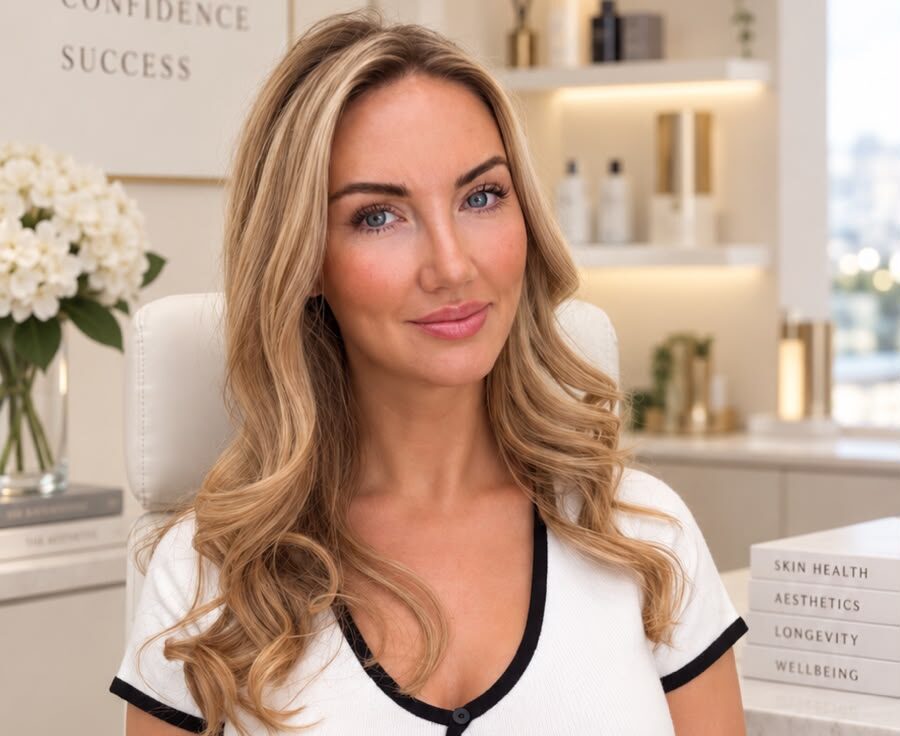
Dr Leah Totton is a medical and cosmetic doctor and founder of Dr Leah Clinics. With 14 years’ experience as an aesthetic doctor and thousands of patients treated, she’s known for her measured, straight-talking approach to aesthetics and her focus on improving overall skin quality rather than chasing every perceived imperfection. Dr Leah is also a regular Live That Glow columnist, sharing what she’s really seeing, thinking and talking about in clinic in her column, ‘The Cosmetic Clinic With Dr Leah’. Here, she explains why popular treatments like Botox and polynucleotides aren’t necessarily right for everyone, and how to work out which cosmetic treatments are genuinely best suited to your individual concerns and goals.
I have worked as a leading cosmetic doctor for 14 years and every week I see people in clinic who are overwhelmed by the amount of treatment options available because they simply just don’t know what they’re looking for. There have never been more cosmetic treatments to choose from, and new treatments are constantly emerging, so it’s easy to find it hard to determine which one is best for you.

When faced with so much choice, most people gravitate towards what they feel is familiar. That doesn’t necessarily mean a treatment they’ve personally tried but often it’s one they’ve heard about from friends, read that a celebrity has had, seen on social media or even been told they need by AI!
The more popular a treatment becomes the easier it is to mistake its visibility as a green light. But someone else’s results are not a guarantee of your own results working the same way.
The truth is, people often look at other people’s results and assume a treatment will have the same effect on them. It’s natural to assume that because we might be of similar ages or share the same lifestyles or even the same skin concerns that there is a one-size fits all policy. But the reality is, that all treatments can work entirely differently depending on who is having it, their health, skincare concerns and the specific concerns they’re looking to address.
Botox, a brand of botulinum toxin, is one of the most infamous culprits. It is often the first choice when people begin noticing lines developing on their face and I’ve lost count of the number of times I get asked for it a week! It can be a highly effective treatment, often softening these expression lines by temporarily relaxing the muscles responsible for them. However, the results are of course, temporary, usually lasting around 3 to 4 months and varies with the patient, product, dose and area of the treatment.
One of the most important questions I ask patients is not simply whether they want Botox, it’s what they hope it will achieve? Whilst I do recommend the treatment, I also feel it’s just as important they understand that results vary from each person.
Polynucleotides are another example for understanding why choosing the right treatment for you matters. It is one of the most common treatments for around the eyes. Becoming increasingly popular with the aim of improving skin quality, texture and the appearance of lines.
However, once again it is not a fix-all remedy. Dark circles under the eyes can have a variety of causes, including pigmentation, visible blood vessels or shadows created by facial structures. In other instances they can even be caused by fat pads, fluid retention or changes in the tissues around the eyes.
Where eye puffiness becomes the main concern, polynucleotides are unlikely to solve the underlying issue and therefore may not show the improvements the patient is looking for.
Ultimately, the best treatment starts with the individual, not the procedure itself, and this is something that I explore fully in my new independent guide, The Ageless Blueprint. I actually stepped back from all pharmaceutical roles in order to make sure I could offer completely honest and independent advice within it. I always advise people that rather than basing your choice on the most popular treatment, on what your friends have, or on what social media or AI recommends, it should start with an in-depth consultation to determine what is really best for your skin and the results you’re looking to achieve. By taking this approach I guarantee you will see more effective and long-lasting results.