
Meet the Founder Who Charged 10x More for a Hair Dryer – and Made It Work
Main image – T3
When Dr Julie Chung first launched a $200 hair dryer in a market where most sold for $20, the reaction, she tells me, was (fairly predictably) disbelief.
Not mild scepticism, either – full, industry-wide dismissal. At the time, she explains, hair tools lived in the electronics aisle, somewhere between toasters and kettles, and the idea that a woman might spend serious money on a dryer was, apparently, absurd.
“Everyone laughed at us,” she says of her brand’s launch in 2004. “They said we’d go bust in the first year.” Instead, T3 made $4 million that year alone.
I sit down with Dr Chung to talk building a beauty brand alongside her career as a surgeon, and why women never wanted more haircare features in the first place.
The category that didn’t make sense
On paper, it reads like one of those slightly too-perfect founder stories. In reality, it’s more practical than that. Dr Chung wasn’t trying to reinvent anything – she just looked at the haircare scene as it was 20-odd years ago and couldn’t quite work out why it was so badly served.
“We realised the category was very stagnant,” she tells me. “It was run by two or three big companies that weren’t innovating. And more importantly, they weren’t paying attention to what women were asking for.”
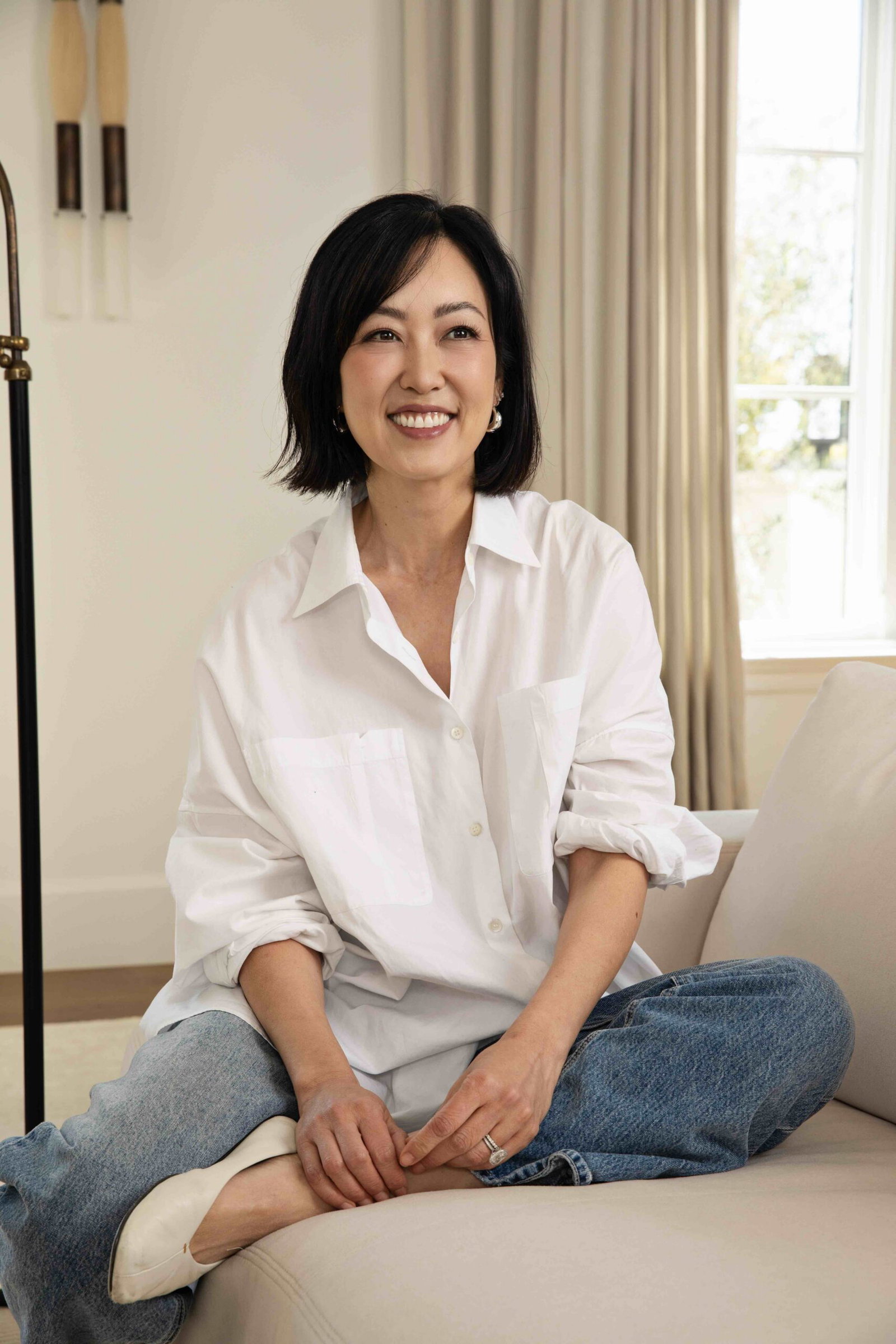
Dr Julie Chung. Image – T3
At the time, she was in medical school, dating (and now married to) a fellow student whose family had a background in salons. Between them, they had a fairly clear view of what was going on – women were happy to spend properly on skincare and makeup, but when it came to hair tools, their options were oddly limited. Cheap and damaging on one end or professional and not particularly user-friendly on the other.
Her own frustration was specific. “My biggest issue was I couldn’t dry my hair fast enough,” she says. “And after drying it, it would frizz up and grow in volume – double, triple the volume.”
The solution, at the time, involved straightening treatments and heavy products to weigh everything down. “I was constantly battling with my hair,” she says.
And this is where her medical background starts to come in. “As a physician, I said, ‘it needs to be healthy,’” she explains. “At the time, hair health wasn’t a buzzword. It was just, how do we control it? How do we battle it into submission?”
“I thought, there’s got to be a better way,” she explains. Not just quicker, but less aggressive. So instead of relying on high heat and force, they developed what would become T3’s signature technology; a larger volume of air, delivered more gently.
“We made a dryer that would dry hair two to three times faster,” she says. “But more importantly, it would retain moisture and allow the hair not to be frizzy.”
It sounds quite straightforward now, but at the time, no one was really thinking about hair in those terms, she says. Which presented T3 with its first hurdle; how do you sell haircare in the beauty space when that category doesn’t yet exist?
“Everyone thought we were crazy,” she confirms. Beauty retailers didn’t want the hairdryer and editors didn’t want to cover it. “We were rejected by Vogue, InStyle, Elle, Bazaar,” she says. “They told us to go to electronics magazines.”
So she did something simple. “We would just leave the device there,” she says. “And they started writing about us.”
Eventually, it caught on. Big retailers came on board and the dryers sold out. “This was the beginning of the luxury hair tools category,” she tells me proudly.
Why more isn’t always better
Which brings us to where things are now. Hair tools have, if anything, gone in the opposite direction – more features, more attachments, more confusion. And Dr Chung isn’t convinced this is what women actually want.
“Women aren’t like that,” she explains. “If we have one tried-and-true thing, we’re going to keep going back to that one thing. We don’t need ten different things.”
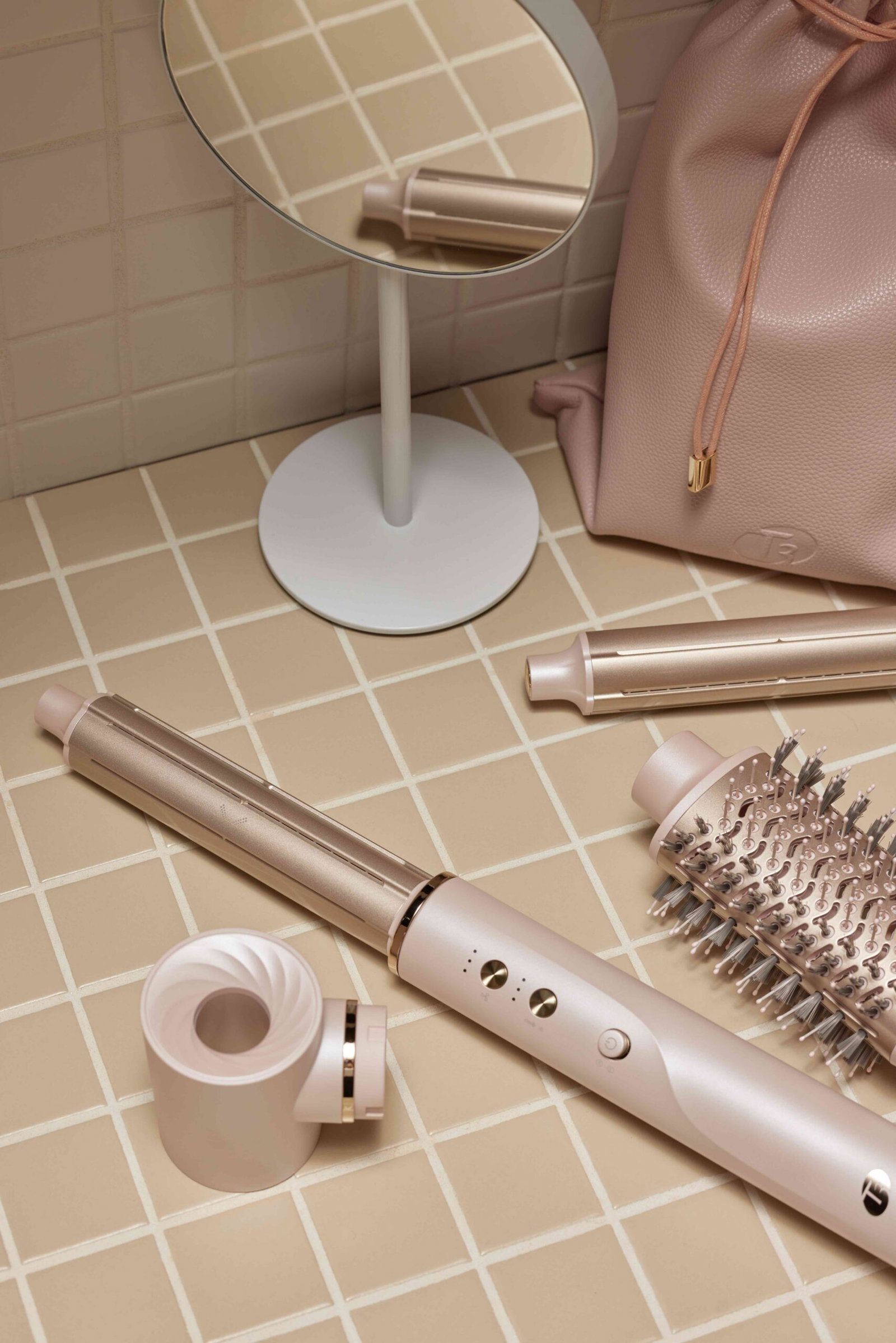
Image – T3
A lot of women, she says, are put off not because they don’t care about their hair, but because the tools feel intimidating. “They’re daunted by the many attachments,” she says. “And the TikToks… they feel like they have to go on social to figure it out.”
So when T3 develops something new, she tells me, the question isn’t what can be added – it’s about how it can most accessibly solve a pain point. “How do you break it down in a way that is approachable?” she says.
And this is where Dr Chung’s parallel career as an eye surgeon (yes, as if it wasn’t enough to singlehandedly change the haircare industry, the woman also saves people’s sight) dovetails. She explains that her job as a doctor has forced her to learn how to break down complex information in a way that is simple and non-intimidating. And she wanted to do the same thing with T3.
“In under a minute, I have to gain someone’s confidence, make them feel seen and heard, and explain something complex very simply,” she says. “Hair tools are not that different.”
“Is it intuitive?” she says of the brand’s thought process behind each feature. “That’s what matters.” And, as a major fan of T3’s tools, I can confirm that that thinking shows up in details you might not immediately notice. For example, “I have sound engineers that make sure it’s a certain pitch,” she says. “So it doesn’t wake up your child in the next room.”
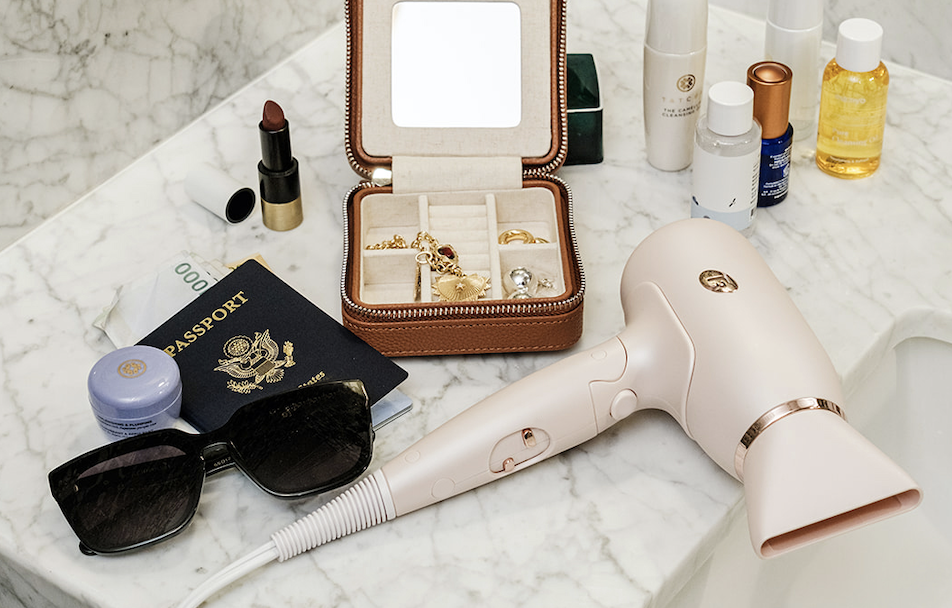
Ditto the brand’s travel hairdryer – the Afar – which is handily collapsable for us roving haircare addicts forever short on space.
“If I say I’m going to make a product that works well, it has to work well,” she confirms. “If it doesn’t, I won’t put it out.”
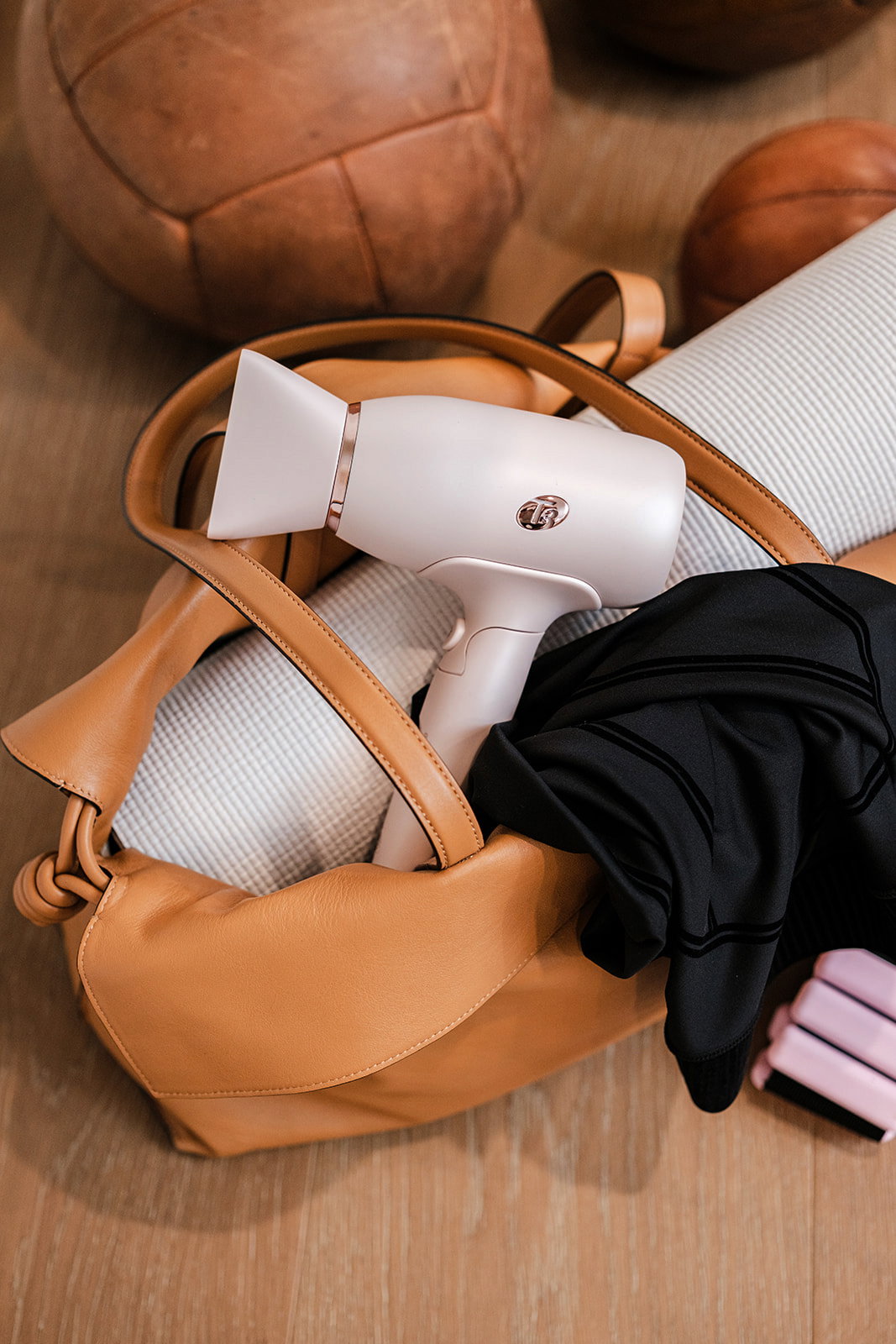
Image – T3
Dr Chung tells me she even recently scrapped a project that had already cost $350,000 to develop. “I have a responsibility to women,” she explains simply.
The invisible founder
For a long time though, even though T3 was rapidly gaining attention, Dr Chung wasn’t particularly visible as its founder. “The founder was Wizard of Oz the entire time,” she says of the earlier days of the brand. “Nobody knew there was a Korean woman behind the brand. Nobody knew I was a surgeon.”
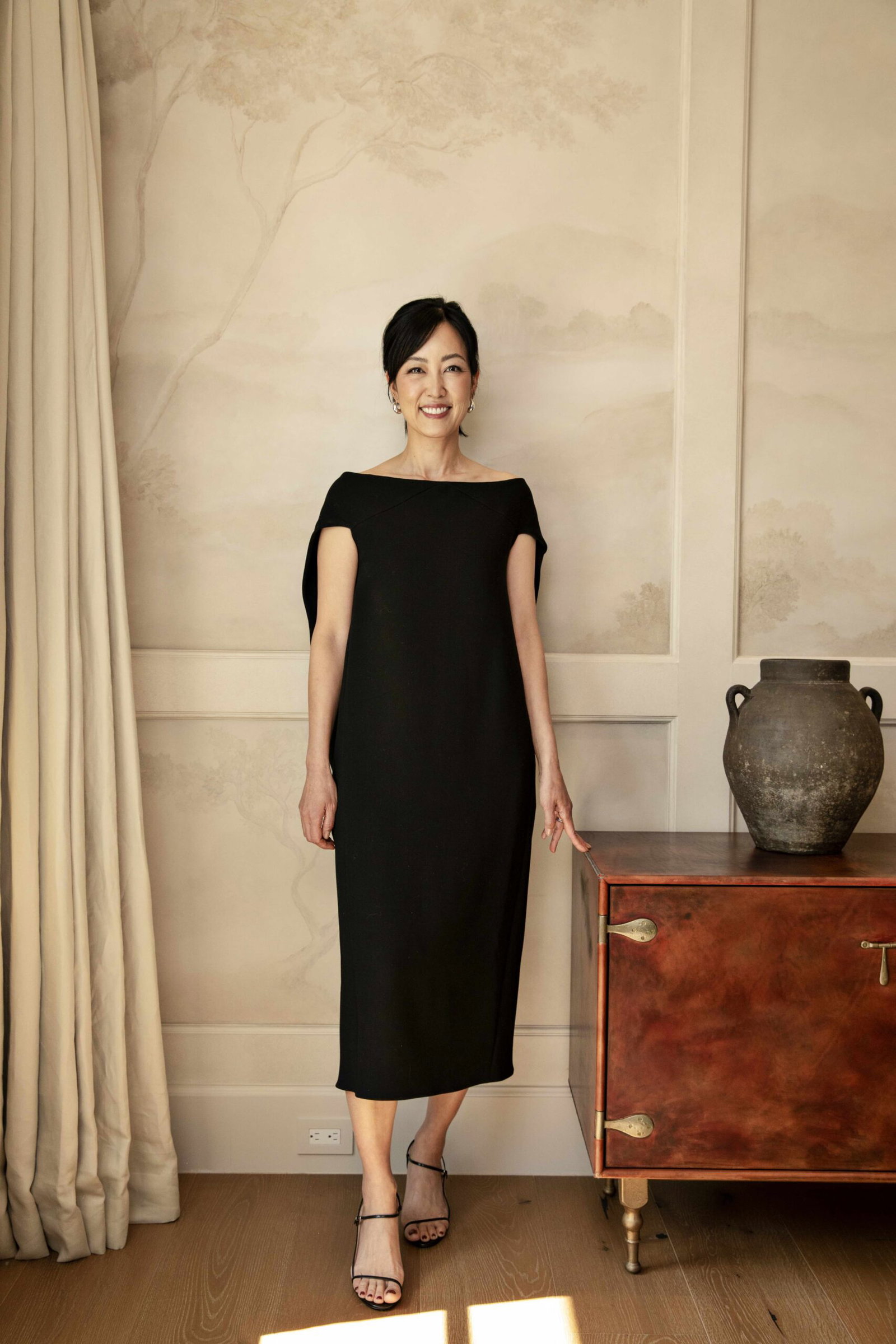
Image – T3
It’s only recently that she’s stepped forward more publicly, largely because expectations have shifted. “The consumer is smart now,” she says. “They want to know the mission and the purpose behind the brand.”
Even so, she’s not entirely sold on the whole founder-story model. “Some of it’s not believable,” she says, laughing slightly.
What makes hers different is that it doesn’t feel back to front (we all know at least one slightly cynical influencer-turned-founder story). Instead it comes from a way of thinking that quite clearly has roots in Dr Chung’s medical background – understanding people and their pain points, and responding to what they actually need. She describes it as “aesthetic wellbeing.”
“There’s physical wellbeing, and then there’s aesthetic wellbeing,” she tells me. “And it’s extremely important to women.”
She finishes our interview by telling me about a patient who, after cataract surgery, was finally able to see well enough to do her hair and makeup again. The difference, she says, was immediate.
“The whole world interacted with her differently,” she says. “And she became more confident, more engaged.”
The takeaway
And that, really, is the point she keeps coming back to. “It’s not vanity,” she says. “It’s about feeling like yourself.”
We know more and more that hair – and beauty more broadly – isn’t trivial. It can affect how you look, feel, and even the kind of day you have.
Or, as Dr Chung puts it, “When you have a good hair day, you feel like you can do anything.”


Get Glowing!