
AD FEATURE: At-Home Cavitation Devices Are Trending – But Do They Actually Work?
Main image – Nabitang/Stocksy
At-home body contouring devices are having a moment – and not in a niche, TikTok-only way.
Cavitation, radiofrequency and lymphatic drainage were, until fairly recently, treatments you booked into a clinic for. Now, they’re being packaged up for at-home use, often with the promise of smoother contours and firmer skin – without the appointments, downtime, and slightly awkward small talk under fluorescent lighting
But how effective actually are these devices (especially compared to their in-clinic alternatives)? And how do you know if you’re a good candidate for using one?
Here, we speak to three skincare experts to take a closer look at at-home ultrasonic cavitation devices – including multi-technology tools like the ViQure LiPro 4-in-1 – to see what they can realistically do.
What is ultrasonic cavitation?
Ultrasonic cavitation- the technology that sits at the centre of many at-home body contouring devices- basically uses soundwave technology to impact our fat cells.
According to London-based aesthetic doctor Dr Ducu Botoaca, these devices use low frequency ultrasound waves to create pressure changes inside our fat cells. “These changing pressures cause the fat cells’ walls to rupture, thereby releasing some of the cellular material contained within,” he explains.
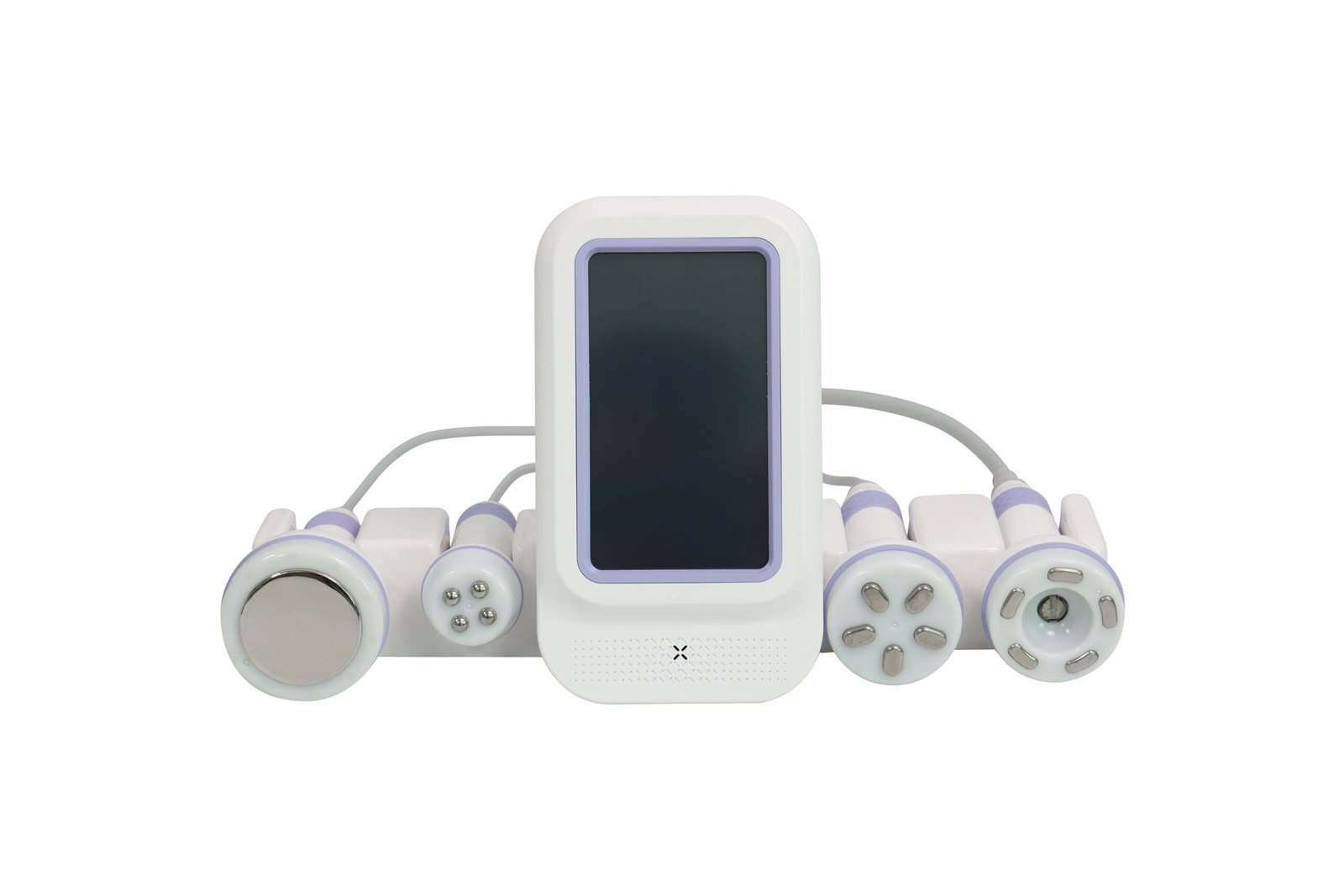
Image – ViQure
Board-certified plastic and reconstructive surgeon Dr Amy Bandy says that next, “the lipids stored in the cells become mechanically damaged, causing the body’s natural cleansing mechanisms to remove them.”
There are limits though. As aesthetic nurse prescriber and clinical director of Skin & Soul Medical Lucie Royer explains: “Ultrasonic waves do not have enough energy to break down fat on their own… these products would be better classified as tools used for body sculpting rather than solutions to losing fat.”
For this reason then, most at-home cavitation devices don’t rely on ultrasound alone – they combine it with radiofrequency (RF) and vacuum therapy to improve results.
RF and vacuum therapy explained
According to Dr Bandy, RF works by stimulating collagen production. “Use of radiofrequency can lead to improvement in skin tightness because radiofrequency stimulation increases collagen formation,” she tells us.
Vacuum therapy works differently. Dr Bandy notes that it can “temporarily improve blood flow and lymphatic function,” which may help with fluid movement and skin texture.

Image – Ohlamourstudio/Stocksy
As Royer explains, combining these technologies can support overall results: “The inclusion of other technologies such as radio frequency (RF), or vacuum therapy can improve the effects… by helping to tighten skin and improve skin texture.”
Dr Botoaca notes however that while combining technologies can help though, results will generally be more subtle than in-clinic treatments.
About the ViQure LiPro 4-in-1 system
ViQure’s LiPro 4-in-1 combines all these technologies- ultrasonic cavitation, radiofrequency and vacuum therapy- into one device.
It includes 40KHz ultrasonic cavitation, body RF at 2MHz, facial RF at 1MHz and a vacuum system operating at 650mmHg / 90KPa.
The LiPro 4-in-1 is designed to target localised fat, cellulite, skin laxity and texture, as well as overall contour.
And at $469 from Viqure.com (available for worldwide shipping) it’s positioned as a non-invasive alternative to clinic treatments, with no downtime or needles required.
How to use it (and what to expect)
Using an at-home cavitation device requires following a set treatment order rather than using each function interchangeably (since each stage is designed to support the next one). You’ll also want to use your device consistently, and exactly as instructed, to get the best results.
For the body, the sequence is:
- Ultrasonic cavitation
- Body RF
- Vacuum therapy
For the face, only the RF handpiece is used, typically for around 15 minutes.
Treatment frequency is every 3-4 days, with one course consisting of 10 sessions.
Treatment times vary depending on the area:
- Abdomen: approximately 60 minutes
- Legs: approximately 30 minutes per area
- Arms: approximately 25 minutes per arm
- Back and buttocks: longer depending on coverage
Intensity levels can also be adjusted depending on the treatment area and your comfort level. You can expect to experience a warming sensation from RF, a suction effect from vacuum therapy and, in some cases, a high-pitched sound during cavitation, which is normal.
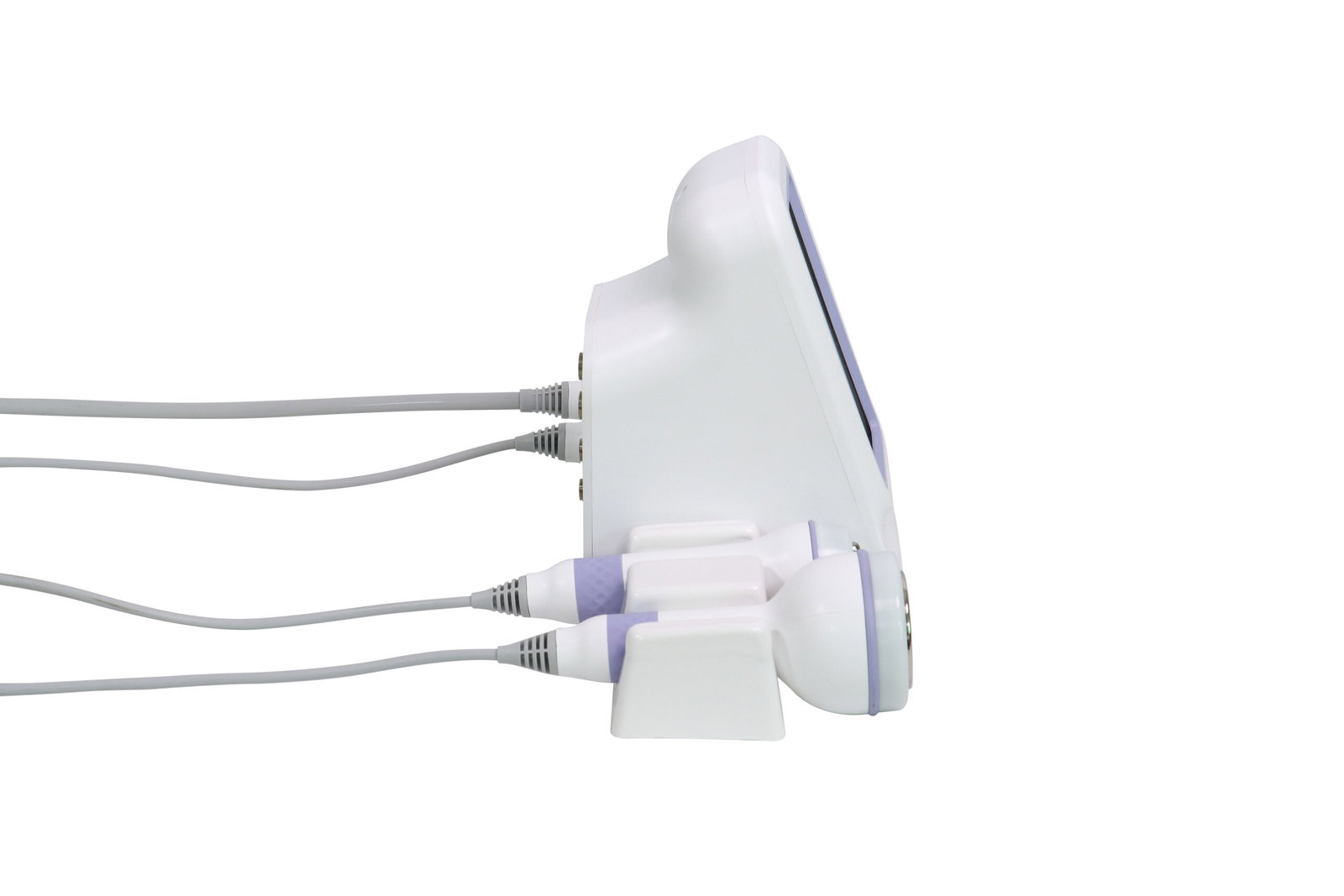
Image – ViQure
One key step that shouldn’t be skipped too is using a conductive gel. This helps the device glide smoothly and ensures the energy is delivered effectively.
Do at-home cavitation devices actually work?
According to the experts, results from at-home cavitation devices are generally more subtle than in-clinic treatments, but can develop over time.
Dr Bandy notes that consistent use can lead to subtle, measurable changes, with some users reporting “slightly reduced circumference measurements” and improvements in overall contour.
Meanwhile, according to Dr Botoaca, “Most users may notice a mild improvement in skin smoothness or temporary contouring.”
Lucie Royer reiterates that consistency is key though. “The incremental changes seen will typically take place after 6 – 12 weeks with consistent sessions.”
Overall, our experts agree that devices which combine multiple technologies- like ViQure’s LiPro 4-in-1– can be more beneficial for things like body contouring and smoothness, as well as improvements to skin texture and tightness, rather than for actual weight loss.
And it’s important to remember too that results often rely on external factors too. Hydration, movement and overall lifestyle all play a role in how the body processes and clears disrupted fat cells.
Who are they for?
So how do you know if you’re a good candidate? According to our experts, at-home cavitation devices are best suited to people with specific, localised concerns.
Dr Botoaca explains, “these devices are best suited to individuals who are already close to their ideal body weight and are looking to target very small, localised areas.”
And Dr Bandy agrees. “Typical candidates include individuals who are near their ideal body weight but have small areas of persistent fat.”
It’s also essential to note who shouldn’t be using these devices.
Royer explains: “These devices should never be used by pregnant women; anyone who uses implanted medical devices… or anyone who has severe liver disease or chronic kidney disease.”
Dr Bandy adds that you should avoid using the device over injured or compromised skin, and should follow all manufacturer guidelines carefully.
The takeaway
The experts’ overall verdict? At-home cavitation devices are best thought of as maintenance tools rather than transformation tools.
They can improve skin texture, support contouring, and help refine specific areas – particularly when used consistently over time.
Devices like the ViQure LiPro 4-in-1 in particular combine multiple technologies into one system, making it easier to address both fat and skin concerns in a single routine.
Get 13% off your order now using code GLOW13.


Get Glowing!