
Beauty Founders on Progress – and What Still Needs to Change This LGBTQIA+ History Month
Main image – Emma Harrisova
Beauty has long been a space where LGBTQIA+ creativity and talent thrive – but that doesn’t necessarily mean the experience of building a beauty brand as an LGBTQIA+ founder is an easy one.
From deciding how much of your identity to make visible to navigating an industry where representation at leadership level can still fall short, there are conversations that go far beyond Pride campaigns and rainbow logos. So, for LGBTQIA+ History Month, we wanted to hear directly from the people actually building brands about what has changed, what hasn’t and what genuine support looks like in 2026.
We spoke to Jordan Samuel Pacitti, founder of Jordan Samuel Skin; Dr Angelo Landriscina, founder of SOUL-A and better known to his huge social following as @DermAngelo; Gabrielle Medina, founder of DERMA-CODE; and Kaye Bellis, creative director of Aurelia L’Atelier.
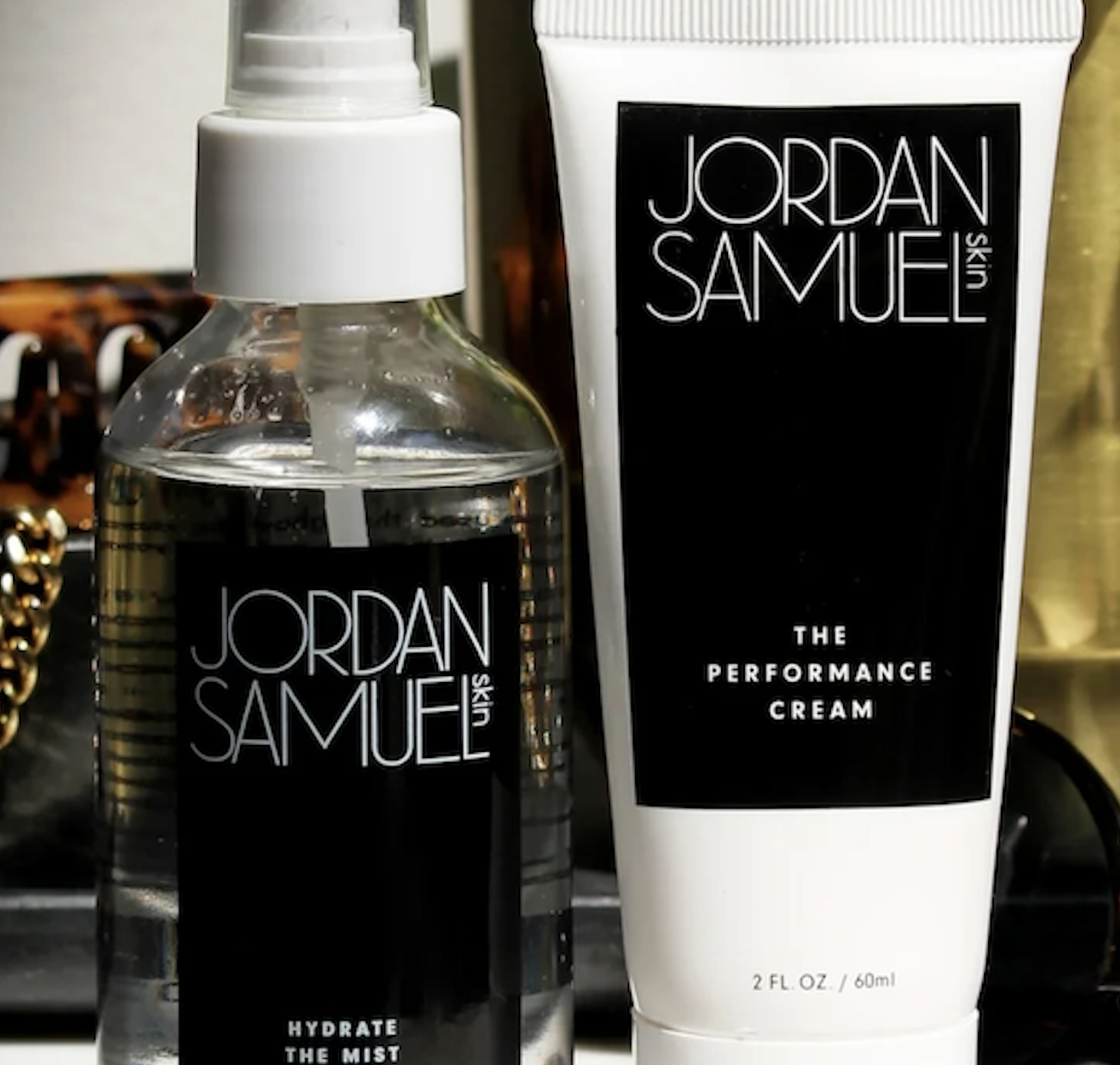
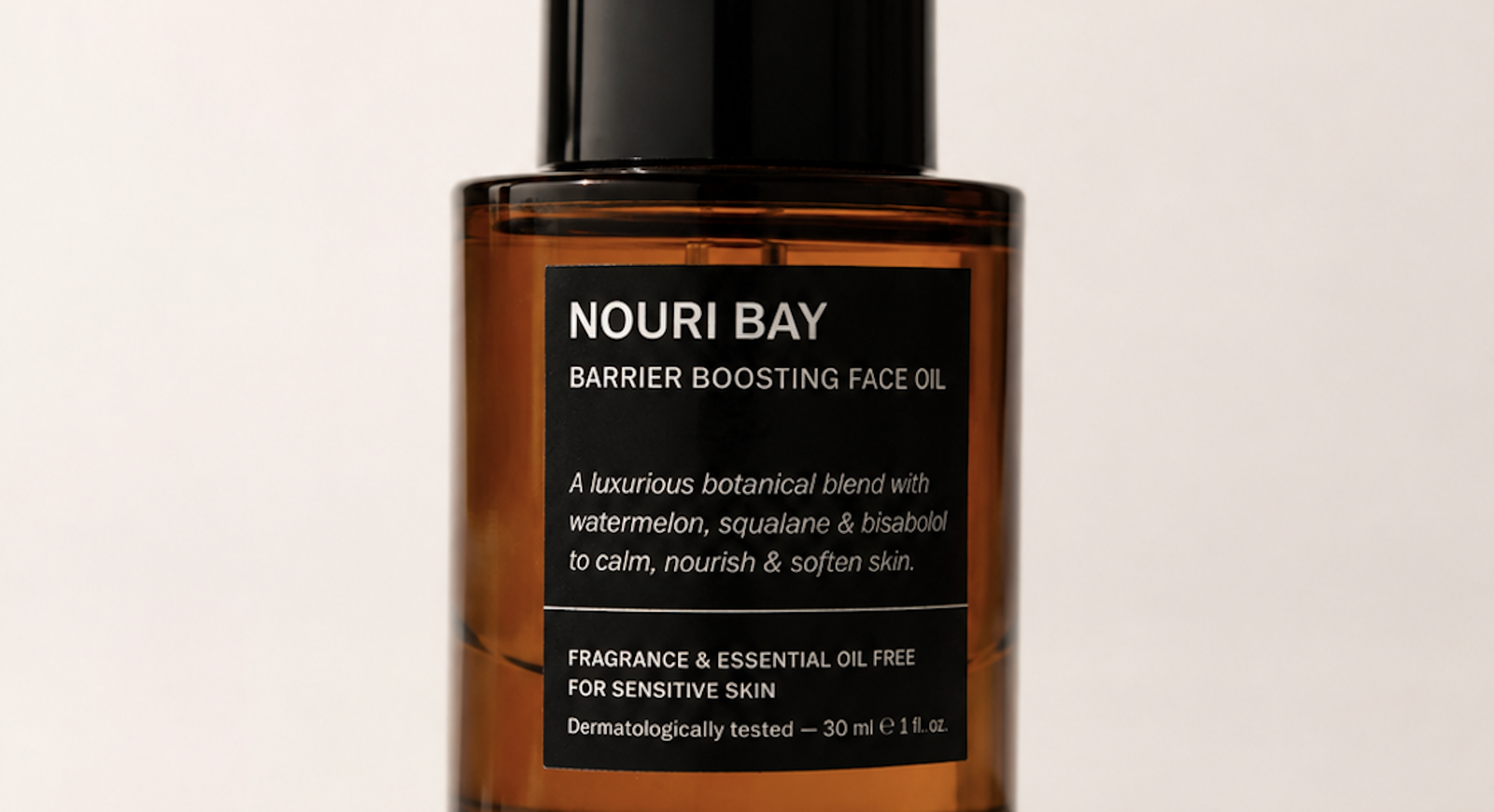
Image – Jordan Samuel Skin
We asked them about Pride, visibility, building a business as an LGBTQIA+ founder and where the beauty industry still has work to do.
Pride and beauty
When asked what Pride means to him, Pacitti says being authentically yourself is key. “Never hiding or shielding your true self will allow you to get to the core of your life’s purpose while lending visibility and inspiring courage in others to live authentically as well,” he says. “In this way, Pride is much bigger than a day or a month. It’s showing up as our unique selves every single day.”
So does he think Pride and skincare intersect? “Absolutely, in three distinct ways: 1. Loving yourself, just as you are, practiced through self-care; 2. Being the best, healthiest version of yourself – mentally, emotionally and physically; and 3. Taking pride in your physical health to allow your most confident inner self to shine through.”
Building a brand as an LGBTQIA+ founder
For Medina, being visible as a founder initially came with genuine apprehension. “Early on, as DERMA-CODE was being established, I did not want to put my face on it, as a transgender woman I was terrified that word would get out that this brand was associated to a trans woman,” she explains.
“This was never about shame for who I was and my identity, it was entirely based on the current state of mind against the LGBTQIA+ community and the hate faced by all of us in current times.”
For Bellis, her values also influence who she chooses to work with. “Being a founder means wearing many hats,” she says. “With that comes working with multiple vendors and suppliers. A huge part of vetting who I want to work with is of course the quality of the item, but also the values of the brand. I read the ‘about me’ section before deciding to partner with any vendor because their practices should align with mine.”
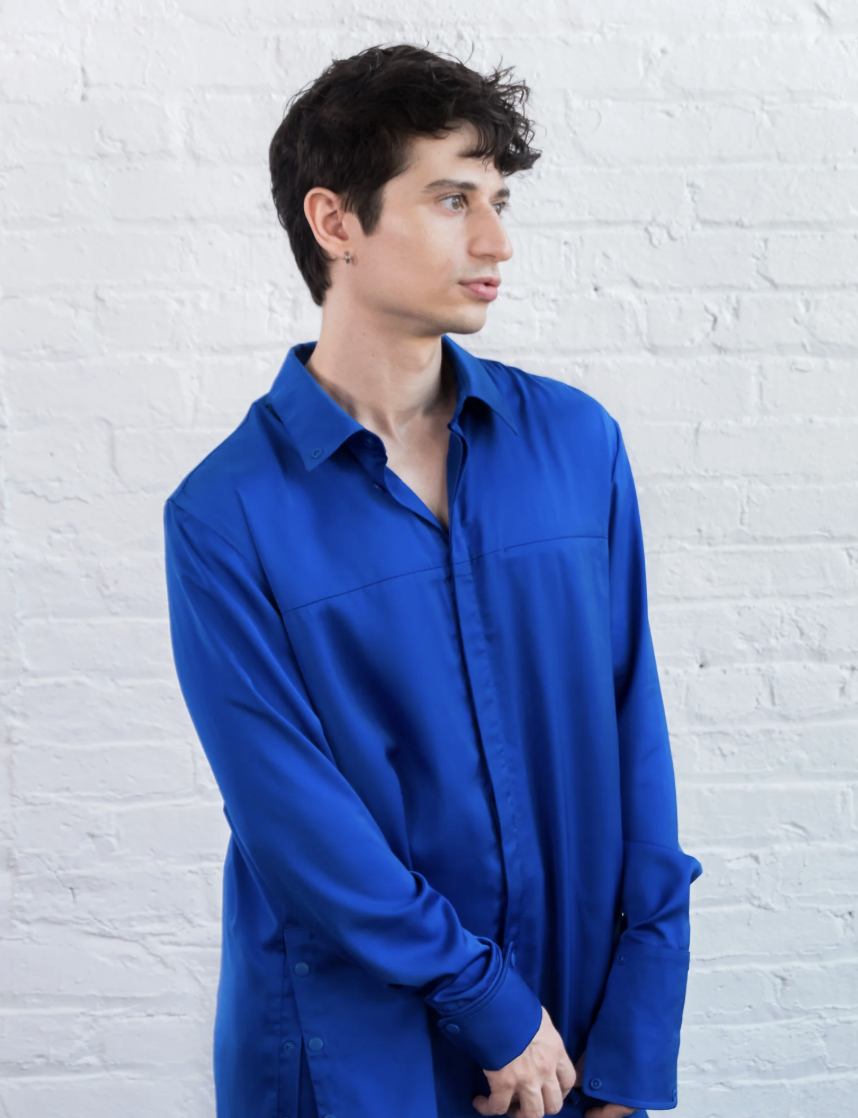
Dr Angelo Landriscina. Image – SOUL-A
Asked if there is pressure on LGBTQIA+ founders and creators to make their identity part of their brand, Dr Landriscina says his experience has been quite the opposite. “It would be easier to avoid conversations around my Queer identity in order to make my brand more palatable to potential customers,” he explains. “I, however, am extremely public-facing, not just as part of SOUL-A, but also in my social media content, my clinical practice and my scientific research.
“All of those aspects of my career have been shaped by my Queer identity. Not only can I not hide it, but it actively plays a role in my career, especially with SOUL-A. Everything from product development to our creative and social is influenced by my approach as an ‘outsider’ and I wouldn’t have it any other way.”
How we can ‘show up’ for the LGBTQIA+ community in beauty
Supporting LGBTQIA+ founders can go beyond simply buying their products. “As a truly small, independent LGBTQIA+ brand, any form of engagement or support truly means the world to us,” says Pacitti.
“Simply having consumers spreading the love through word of mouth, following along with us on social media and joining us in fundraisers for the community does much more than people believe. Simply showing up, making your presence felt and engaging with LGBTQIA+ brands throughout their journey is very impactful.”
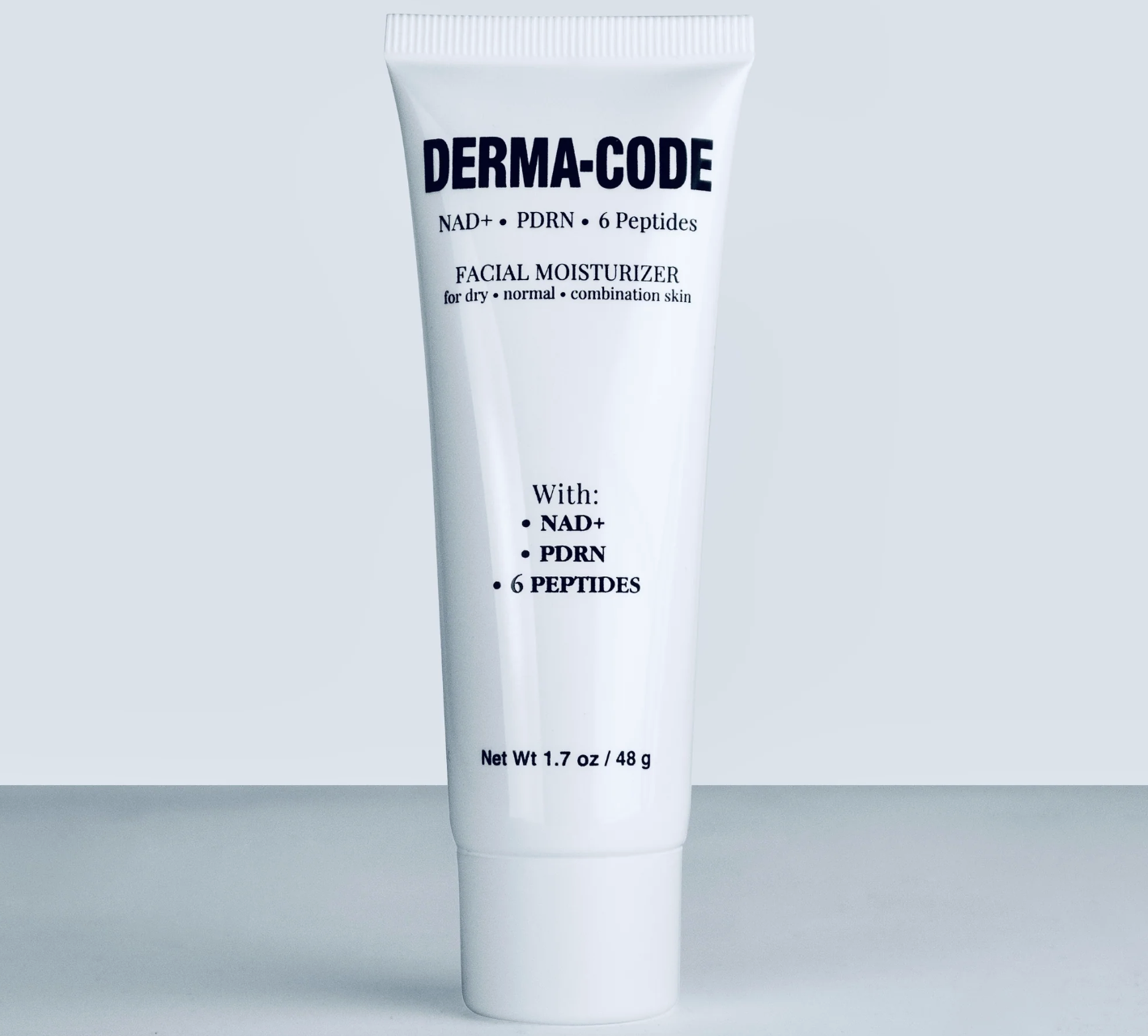
Image – DERMA-CODE
“Respect and trust,” adds Medina. “I think respecting and trusting us founders for our expertise and the years of research we put behind our products is the biggest form of support that can be given to us.”
Where there is still work to be done
Bellis believes there will always be things we can work on when it comes to inclusivity in the beauty industry. “Look at the current administration, we are back peddling,” she says.
Dr Landriscina has also noticed areas where support appears to be dwindling. “I think beauty has a long history of having Queer people on the ground – in retail, marketing etc,” he says. “I don’t feel I have seen as many Queer people in leadership positions though. As with all other industries, it is a white-straight-cis man’s world at the top.”
He has noticed a change in consumer-facing support, too. “We’ve definitely seen an overall decrease in support for the LGBTQIA+ community when it comes to marketing and charitable giving from beauty brands overall,” he says.
“As the overall zeitgeist has changed, less brands are running pride campaigns or giving to LGBTQIA+ causes,” he continues. “This has been troubling to me, as it has made it pretty transparent how deep much of that advocacy really was. Many brands only lent their support to the community when it was advantageous to them and their bottom line.”
Hopes for the future
For Dr Landriscina, seeing more LGBTQIA+ founders succeed – and reach positions where they can help others do the same – would make a meaningful difference. “Obviously I would love to see more LGBTQIA+ founders succeed, find investment and give back to the community,” he says.
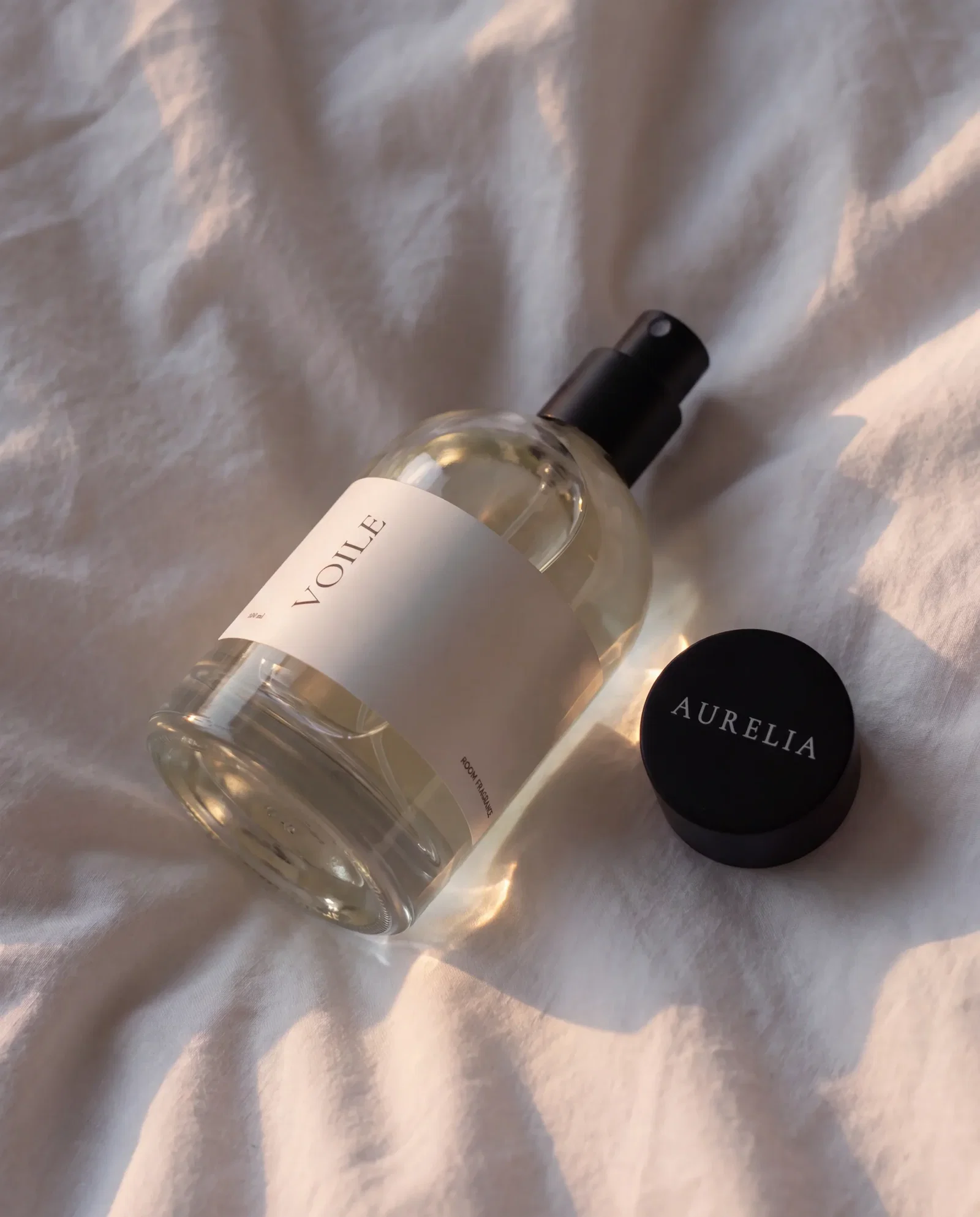
Image – Aurelia L’Atelier
“What’s more is that I hope the beauty industry once again sees the value in elevating LGBTQIA+ voices and supporting the community, not just when it’s convenient.”
He also sees reasons for optimism in the founders now emerging in beauty. “What gives me hope is the new wave of Queer founders in the beauty space,” he adds. “Not only are we giving ACTUAL support to the communities we come from, we’re also going beyond representation to truly advance the position of Queer people within the industry.”
The takeaway
What comes through most clearly from these conversations is that representation alone isn’t enough. Who gets to build brands, attract investment and reach leadership positions matters – as does whether the support shown to LGBTQIA+ people by the wider beauty industry continues when Pride campaigns aren’t commercially convenient.
And as Pacitti points out, supporting LGBTQIA+ founders doesn’t always require a grand gesture. Buying from their brands matters, but so does recommending them, engaging with their work and supporting the causes they champion. Perhaps most importantly, as Medina says, it means recognising their expertise and trusting them for the work they do – not simply viewing them through the lens of their identity.
Meet the experts
Jordan Samuel Pacitti is the founder of Jordan Samuel Skin. A former professional ballet dancer, he launched the skincare brand in 2013.
Dr Angelo Landriscina is a board-certified dermatologist, researcher and founder of skincare brand SOUL-A. He is also known as @DermAngelo to his large social media following.
Gabrielle Medina is the founder of DERMA-CODE, a skincare brand focused on science-led formulas and skin health.
Kaye Bellis is the creative director of Aurelia L’Atelier, a luxury fragrance and beauty brand.